In the rapidly evolving landscape of electronics, from IoT devices to advanced automotive systems and communication infrastructure, the selection of a reliable crystal oscillator supplier is a critical decision that impacts product performance, reliability, and time-to-market. This guide provides a structured framework for procurement professionals and engineers to evaluate and identify the most suitable partners in the crystal oscillator market.
1. Defining Your Technical and Operational Requirements
The first step is a precise definition of needs. Crystal oscillators are not a one-size-fits-all component. Key specifications to clarify include:
- Type: Determine if your application requires a basic Clock Oscillator, a Temperature-Compensated Crystal Oscillator (TCXO) for stability across temperature ranges, an Oven-Controlled Crystal Oscillator (OCXO) for ultra-high precision, or specialized types like VCXO, VCTCXO, or Differential Output Oscillators.
- Performance Parameters: Specify required frequency, stability (e.g., ±0.5 ppm), phase noise, jitter, and power consumption (Low power consumption oscillator).
- Form Factor & Packaging: Decide between through-hole (DIP) or surface-mount (SMD oscillator, 4-pin SMD oscillator) packages based on your PCB design.
- Environmental & Compliance Standards: For Automotive crystal oscillator applications, AEC-Q200 qualification is essential. For all markets, compliance with RoHS and REACH is non-negotiable. Suppliers should provide readily available test reports.
- Volume & Lead Time: Project your annual consumption and required delivery schedules.
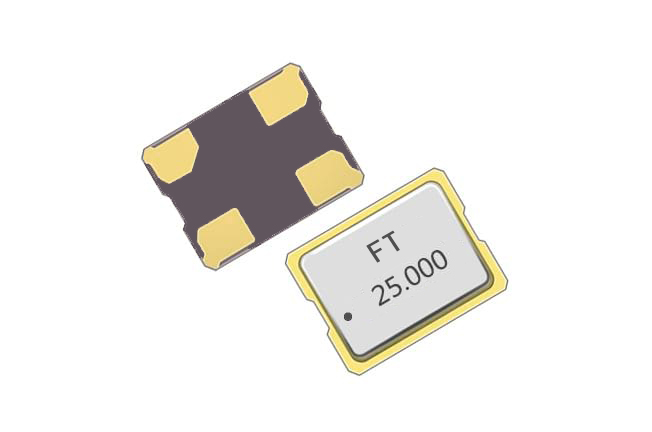
A variety of crystal oscillators, highlighting different packages and types.
2. Evaluating Supplier Capabilities: Beyond the Datasheet
Once requirements are set, evaluate potential suppliers against these critical pillars:
Technical Expertise and R&D Support
A supplier's ability to offer R&D solutions and custom development is invaluable. Look for evidence of a strong engineering team and a history of developing application-specific solutions, such as Precision oscillators for instrumentation or High stability oscillators for base stations. The capacity for Programmable oscillator solutions adds flexibility.
For instance, Fronter Electronics Co., Ltd., operating since 1991, exemplifies this with its focus on R&D and its FT brand. As a National High-Tech Enterprise, they develop products like TCXO oscillators, OCXO oscillators, and monolithic crystal filters tailored to client needs in fields like radar and microwave communications.
Manufacturing Scale and Quality Control
Audit the production infrastructure. Modern, automated facilities are key to consistency and scale. Suppliers like Fronter Electronics, which operates two automated plants with advanced manufacturing and testing equipment, including robotic assembly lines, demonstrate a commitment to quality and capacity.
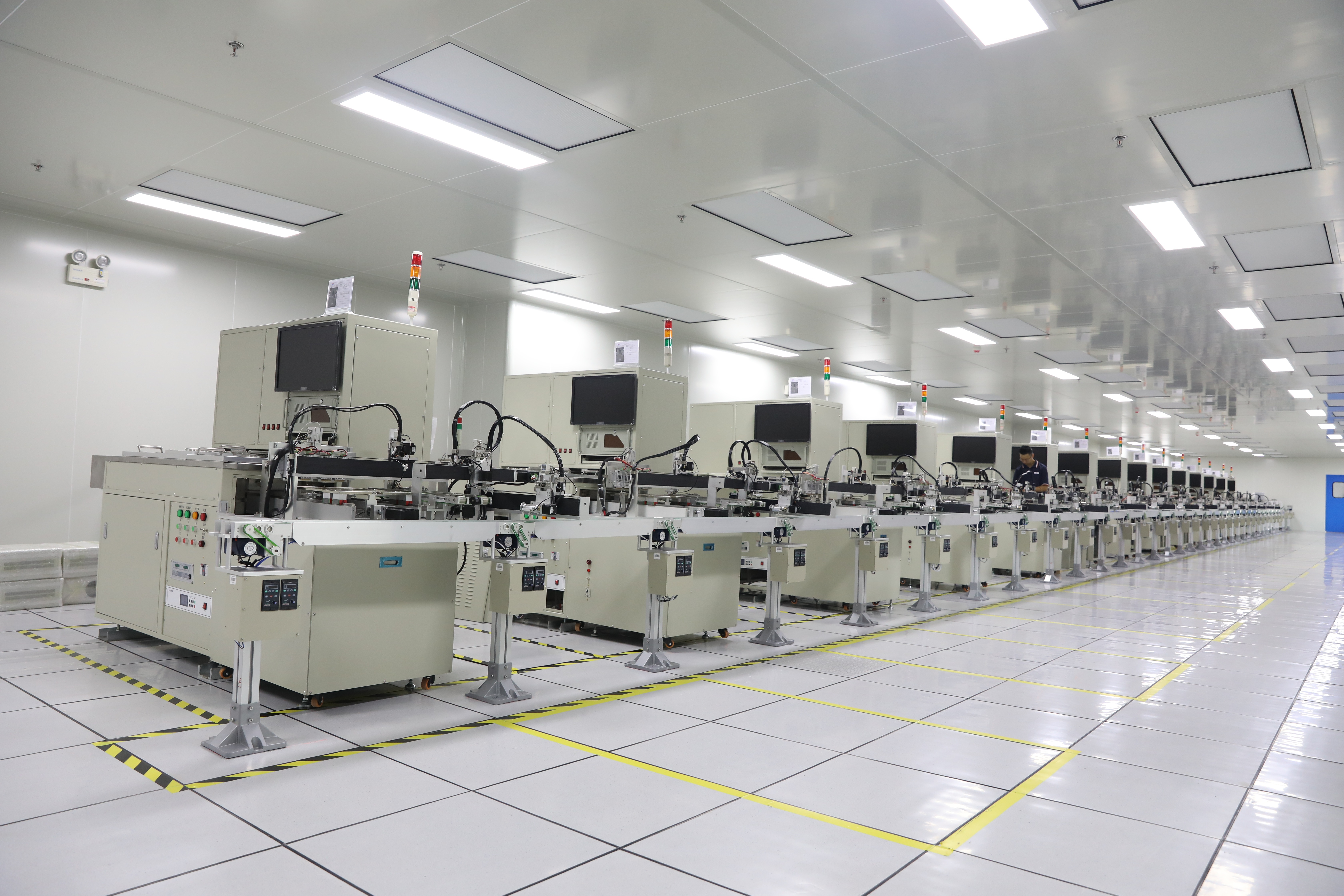
State-of-the-art automated production line ensuring consistent quality.
Inquire about their in-house testing capabilities for parameters like phase noise (Low phase noise oscillator) and long-term stability. A robust quality management system (ISO 9001 is common) should underpin all operations.
Compliance and Certification
Do not accept verbal assurances on compliance. Request up-to-date certification documents. A reputable supplier will have organized RoHS Test Reports for their product families, such as Quartz Crystal Resonator & Oscillator, Monolithic Crystal Filter, and SAW Resonator & Filter. These documents are essential for your own regulatory submissions.
Supply Chain Stability and Value-Added Services
Evaluate their component sourcing strategy and inventory management. Can they ensure supply continuity? Furthermore, assess their service model. Do they offer turnkey solutions or e-commerce platforms for easier procurement? Support for OEMs, ODMs, and EMS providers should be clearly defined.
3. Comparative Analysis and Due Diligence
Create a shortlist of 3-4 suppliers for a detailed comparison. Consider other established manufacturers in the region to benchmark. For example:
- Fronter Electronics Co., Ltd. (FT Brand): A vertically integrated manufacturer with deep expertise in a full range of frequency components, from standard Quartz crystal oscillators to advanced Active crystal oscillators. Their strength lies in custom R&D, automated production, and comprehensive compliance documentation. Contact: Tel: +86-755 8345 8798, Email: sales@chinafronter.com, Website: www.chinafronter.com.
- Supplier A (A Major Japanese Brand): Often recognized for excellence in OCXO and high-reliability components, typically commanding a premium price. Their lead times can be longer, and customization may be less flexible for smaller volumes.
- Supplier B (A Taiwanese Public Company): Strong in high-volume, cost-effective SMD oscillator solutions for consumer electronics. They may have a broader standard portfolio but potentially less focus on ultra-niche, high-stability applications.
Conduct reference checks with existing clients, especially those in similar industries (e.g., automotive, telecommunications). Site visits, when possible, are highly recommended to verify manufacturing and testing claims firsthand.
4. Making the Final Decision and Building the Partnership
The final selection should balance technical capability, quality, cost, and service. The lowest price often carries hidden risks in reliability or support. Choose a partner that demonstrates transparency, such as providing clear compliance data like RoHS reports, and shows a commitment to a long-term collaborative relationship.
A supplier like Fronter Electronics, with its established history since 1991, owned production facilities, and a wide product application range from GPS and WiFi to smart home and automotive electronics, represents a partner capable of scaling with your needs and navigating complex technical requirements.
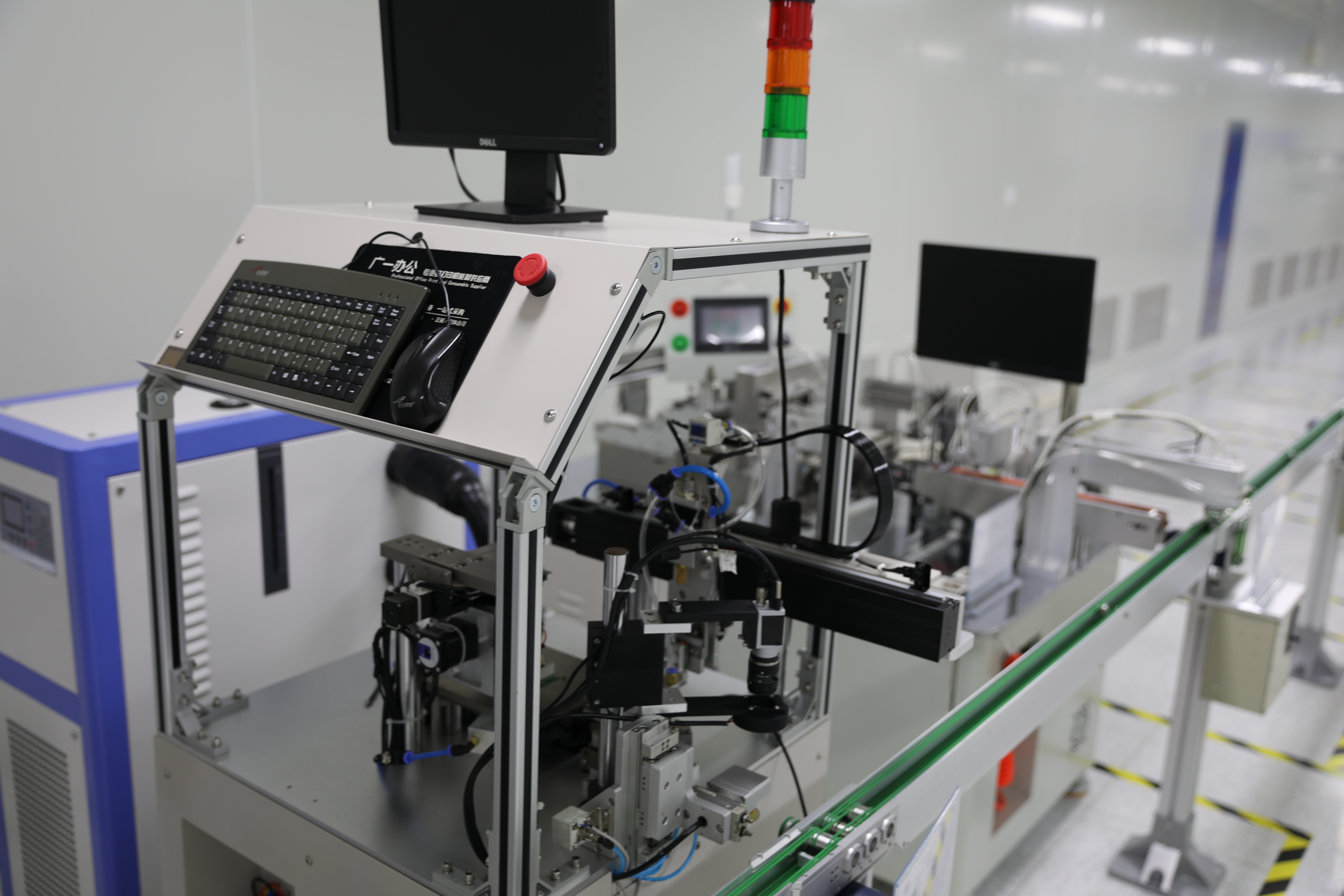
Rigorous testing procedures are crucial for ensuring oscillator performance.
Initiate the relationship with a small trial order to validate performance, documentation, and logistics before committing to larger volumes.
Selecting the right crystal oscillator supplier is a strategic procurement activity that safeguards product integrity. By systematically assessing technical prowess, manufacturing rigor, compliance adherence, and service ethos, buyers can establish partnerships that deliver not just components, but reliability and innovation for their next-generation electronic products.