
Tuning Fork vs. Quartz Piezoelectric Crystals: A Smart Manufacturing Timing Decision Guide
A smart manufacturing timing decision rarely comes down to picking the cheapest quartz part on the line. It comes down to one architecture question: does this board need a low-frequency timekeeping reference, or a higher-frequency clock reference? Tuning fork crystal resonators answer the first need, typically in the 32.768 kHz class. Quartz piezoelectric crystals — often described as piezo crystal units, piezo elements, or simply quartz crystal — answer the second, in the MHz class. Both sit on the same controller board, both use quartz as the resonating material, and both are frequently sourced from the same supplier. The difference lies in where each belongs in the timing chain, and in what buyers should confirm at the purchasing and acceptance stage.
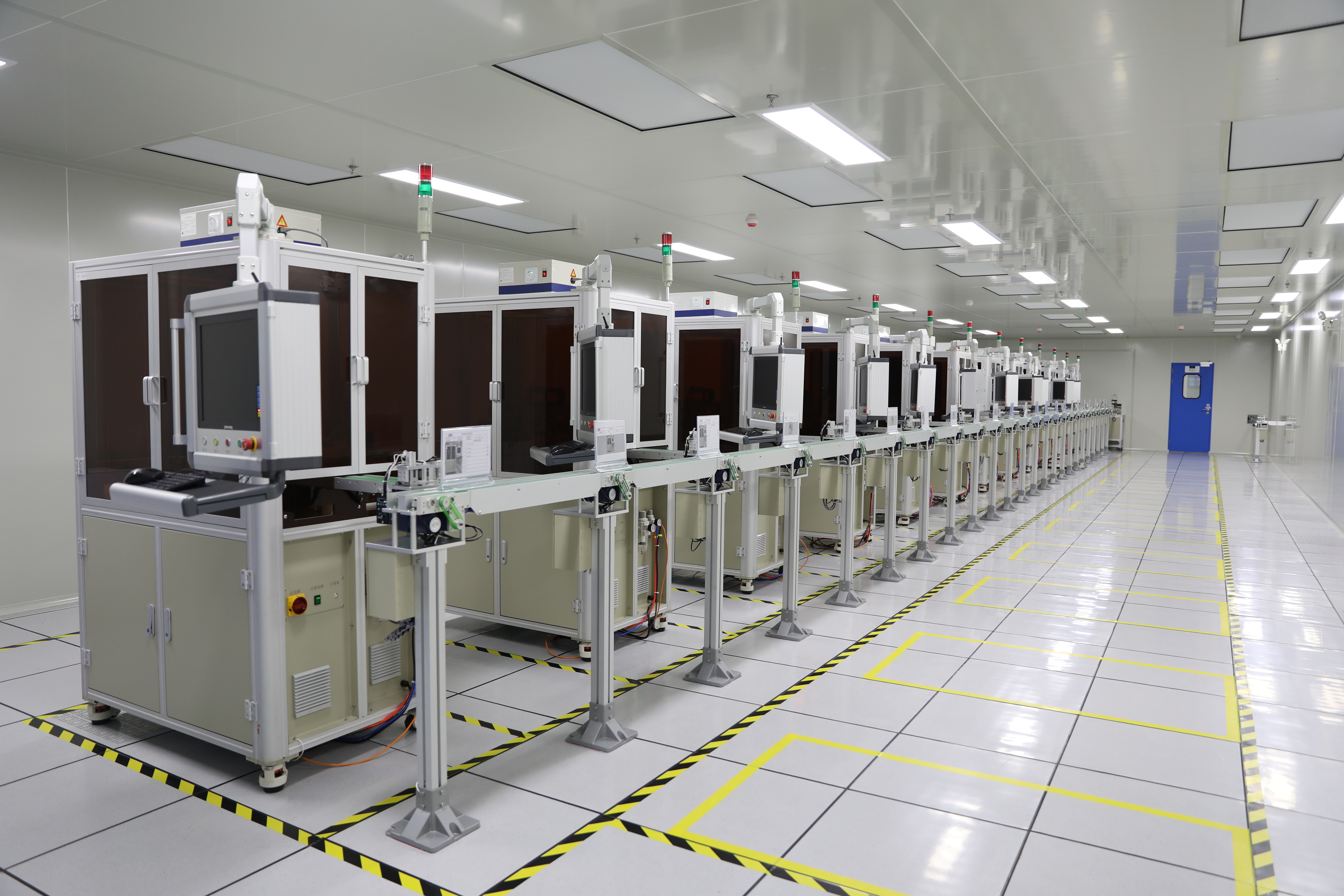
Timing components are produced and screened on the same lines that feed smart manufacturing control boards — production consistency starts at the equipment level.
The Problem: Two Timing Roles, One Bill of Materials
Most smart manufacturing equipment — PLC racks, industrial gateways, HMI panels, edge controllers, vision stations, and robotic arms — carries more than one timing component. A real-time clock keeps calendar time so the machine can timestamp production data, log faults, and coordinate scheduled tasks. A separate higher-frequency reference drives the microcontroller, the communication interface, or the motor-control loop.
The procurement problem appears when both roles are written into the same bill of materials without a clear rule for which component type belongs to which role. Buyers then receive quotes that mix tuning fork crystal resonators with quartz piezoelectric crystals, compare them on price alone, and later discover that the two are not interchangeable. A 32.768 kHz tuning fork cannot substitute for an MHz quartz crystal, and an MHz quartz crystal cannot economically replace a timekeeping tuning fork.
The second half of the problem is procurement discipline. Even after the technical role is settled, a buyer still has to confirm the commercial terms, the acceptance criteria, and the supply behaviour that keep the line running after the first shipment.
Industry Background: Why Timing Components Sit Inside Smart Manufacturing
Timing components are a small line item with an outsized effect on equipment reliability. The crystal oscillator market was valued at USD 2.89 Billion in 2025 and is projected to reach USD 3.66 Billion by 2030, according to MarketsandMarkets. Regional concentration is pronounced: Precedence Research reports that Asia Pacific dominated the crystal oscillator market in 2024, capturing more than a 42% revenue share, approximately USD 1.1 Billion.
Automotive is one of the fastest-moving adjacent segments, with crystal oscillator applications expanding at a CAGR of 12.88%, driven by ADAS, infotainment, and EV powertrains, per Fortune Business Insights. Smart manufacturing sits on the same reliability curve — machine downtime from clock drift, timestamp errors, or communication dropouts carries the same cost logic as a vehicle system fault.
Two standards shape what buyers can reasonably require. AEC-Q200 is the global stress resistance standard required for passive electronic components, including crystal resonators, in automotive applications, from the Automotive Electronics Council. IEC 60122 series provides the international baseline for quartz crystal units, covering general requirements and measuring methods, from the International Electrotechnical Commission. Even where AEC-Q200 is not a contractual requirement, its test logic is widely borrowed for industrial timing qualification.
The supplier landscape for quartz crystals and oscillators is led by established names, including Seiko Epson, Nihon Dempa Kogyo (NDK), Kyocera, Daishinku (KDS), and TXC Corporation, according to Mordor Intelligence. For buyers, that list matters less as a ranking and more as a reminder that timing components are a consolidated, standards-driven category where specification discipline is normal.
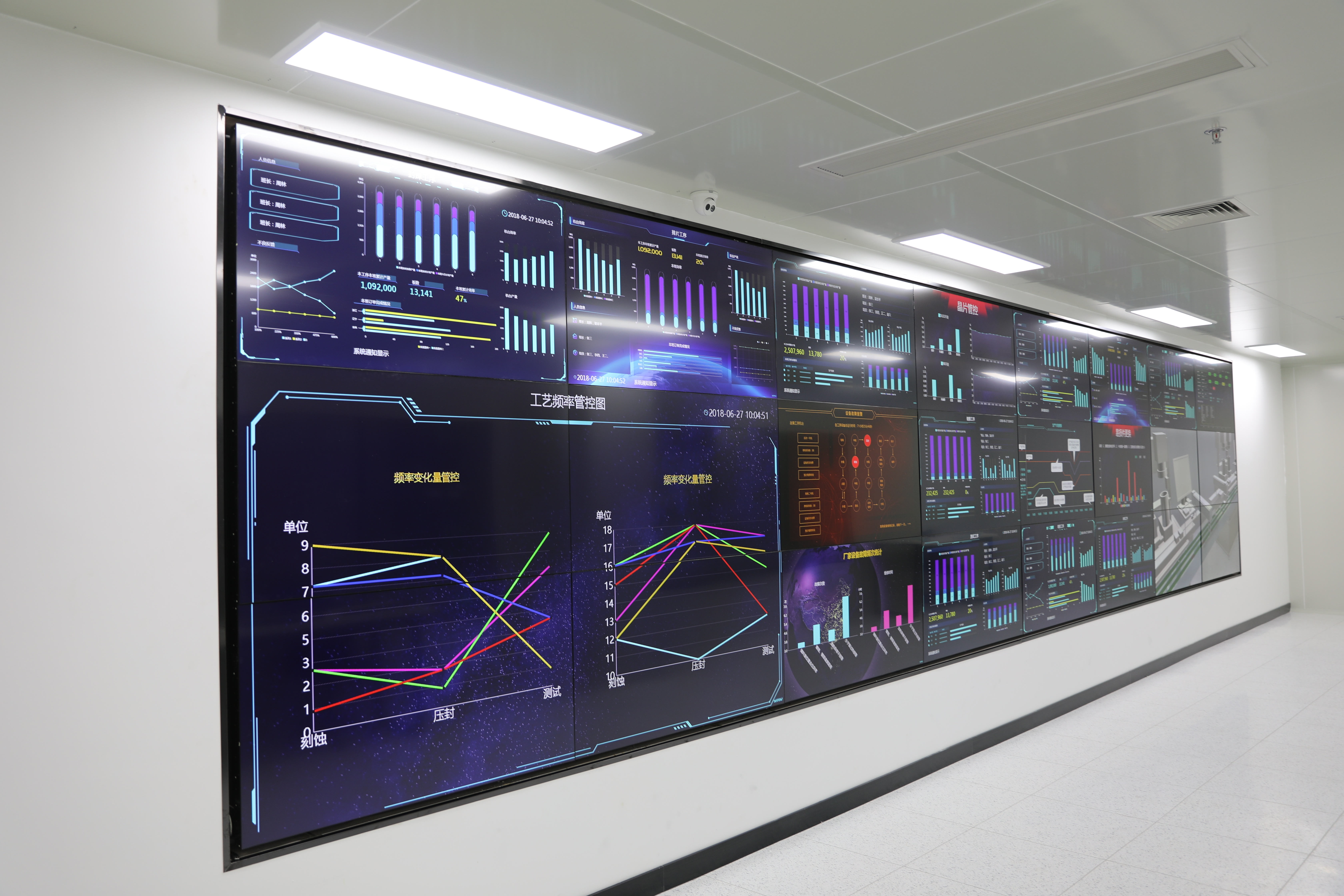
Smart manufacturing data environments depend on stable timekeeping and consistent clock references across every connected control node.
Detailed Solution: What Each Component Type Is Actually For
Tuning Fork Crystal Resonators
A tuning fork crystal resonator is a low-frequency quartz device shaped so that it vibrates at the reference frequency used for real-time clocks, commonly 32.768 kHz. It exists to keep time, not to clock a processor. In smart manufacturing, the tuning fork crystal resonator sits behind the RTC circuit on a controller, gateway, or HMI board, maintaining calendar and timestamp data so that production logs, maintenance records, and event histories remain coherent.
Buyers in this category usually source a tuning fork crystal resonator, a 32.768 kHz crystal resonator, or a watch crystal, depending on the supplier's naming convention. Package families include cylindrical crystal resonators, through-hole crystal resonators, and SMD crystal resonators in the 32.768 kHz class. Some designs also evaluate a ceramic resonator as a lower-cost alternative, though ceramic resonators are a different technology from quartz and generally offer a different accuracy profile.
Quartz Piezoelectric Crystals and Piezo Crystal Units
A quartz piezoelectric crystal — also described as a piezo crystal unit, a piezo element, or a quartz resonator — uses the piezoelectric effect of a quartz plate to generate a stable MHz frequency reference. These are the devices that clock microcontrollers, industrial communication interfaces, wireless modules, and motor-control loops. In a smart manufacturing context, an MHz crystal resonator or an SMD crystal resonator typically carries the system clock, while a separate oscillator may handle higher-level synchronisation.
Because the MHz class covers a wide frequency range, buyers should be prepared to specify frequency, load capacitance, tolerance, and operating temperature band rather than simply asking for "a crystal." Package options in this class include HC49 SMD Crystal, Surface mount crystal resonator formats, and Through-hole crystal resonator formats. Frequency control devices in this class are commonly referenced by a quartz crystal model number, which is why decoding part numbers is part of the sourcing workflow.
Where Fronter Fits This Decision
Fronter Electronics Co., Ltd is a Shenzhen-based component manufacturer founded in 1991, operating a 21,000 m² facility with 286 employees and an annual output of 300,000,000 units, of which 70% is exported to EU and USA markets. Its main products are Quartz Crystal Resonator and Quartz Crystal Oscillator, supported by a 19-engineer R&D team, and it also distributes brands including SUNLORD, KDS, EPSON, and NDK. Its products comply with RoHS and REACH. For a timing decision that spans both the tuning fork and quartz piezoelectric crystal roles, this dual manufacturer-and-distributor position means both component families can be qualified through one commercial channel.
Fronter's published performance data for its crystal oscillator line states frequency stability of ≤ ±20 ppm (some models ≤ ±10 ppm), an annual aging rate of ≤ ±2 ppm, and a lead time of 3–4 weeks against 12–20 weeks typical for overseas brands. Automotive-grade reliability with AEC-Q200 certification and full customization support are cited as differentiators against general-purpose consumer-grade crystal oscillators. Where relevant, Fronter supports temperature-compensated and oven-controlled approaches for frequency-temperature stability, and applies temperature characteristic classification in the bill of materials: consumer grade −20°C to 85°C, industrial grade −40°C to 85°C, and automotive grade −40°C to 125°C.
Comparison Table: Turning Fork vs. Quartz Piezoelectric Crystals
| Decision Dimension | Tuning Fork Crystal Resonator | Quartz Piezoelectric Crystal |
|---|---|---|
| Primary timing role | Low-frequency timekeeping reference for real-time clocks and calendar functions | MHz frequency reference for processors, interfaces, and clock generation |
| Typical frequency class | 32.768 kHz class | MHz class |
| Smart manufacturing use | Data loggers, HMI panels, sensor nodes, battery-backed RTC on controllers | PLC controllers, industrial gateways, wireless modules, motor-control timing |
| Package families | Cylindrical, through-hole, SMD in the 32.768 kHz class | HC49 SMD Crystal, surface mount, through-hole, SMD crystal resonator formats |
| Main stability concern | Long-term drift and aging at low frequency | Frequency stability across the full operating temperature range |
| First question to settle | Is a stable, low-power time base required? | What frequency, load capacitance, and temperature grade are required? |
| Related standards | IEC 60122 series baseline for quartz crystal units | AEC-Q200 where automotive-grade stress resistance is required |
Standards references: Automotive Electronics Council (AEC-Q200); International Electrotechnical Commission (IEC 60122 series).
The table above is a role-assignment tool, not a ranking. Neither component type is universally better; each occupies a distinct slot in the timing chain, and a smart manufacturing board typically uses both.
Step-by-Step Breakdown: Making the Decision
Step 1 — Map the timing roles on the board. List every timing need: RTC timekeeping, processor clock, communication reference, and any secondary clock. Assign each to either the low-frequency timekeeping role or the MHz clock role before contacting suppliers.
Step 2 — Confirm the frequency class for each role. Timekeeping points to the 32.768 kHz tuning fork class. Processor and interface clocks point to the MHz quartz piezoelectric crystal class. This step prevents the common error of requesting a single component type for both jobs.
Step 3 — Set the temperature grade. Fronter applies temperature characteristic classification in the bill of materials: consumer grade −20°C to 85°C, industrial grade −40°C to 85°C, automotive grade −40°C to 125°C. Matching the grade to the actual deployment environment avoids both under-specification and unnecessary cost.
Step 4 — Choose package format against the assembly process. Surface mount crystal resonator formats suit reflow assembly; through-hole and cylindrical tuning fork formats may suit legacy boards or specific mechanical constraints. The packaging decision is an assembly-line decision as much as an electrical one.
Step 5 — Require full temperature range testing evidence. Fronter states that each batch undergoes high-low temperature shock tests, for example −40°C to 85°C cycles, before leaving the factory, to confirm that frequency stability indicators such as ±0.5 ppm still meet standard at extreme temperatures. Buyers should ask whether equivalent batch-level testing applies to their specific part.
Step 6 — Settle purchasing terms and acceptance criteria in writing. This is where most smart manufacturing projects lose time. Fronter's stated purchasing terms are MOQ 1K, delivery terms EXW, acceptance criteria pre-shipment test, and payment terms 100% in advance. These four items should be confirmed in the purchase order before tooling or production scheduling begins.
Step 7 — Validate lead time against the production plan. Fronter's published lead time for its crystal line is 3–4 weeks, against 12–20 weeks typical for overseas brands. Buyers building a ramp-up schedule should place this figure alongside their own assembly takt time.
Procurement Terms and Acceptance Criteria: What to Ask
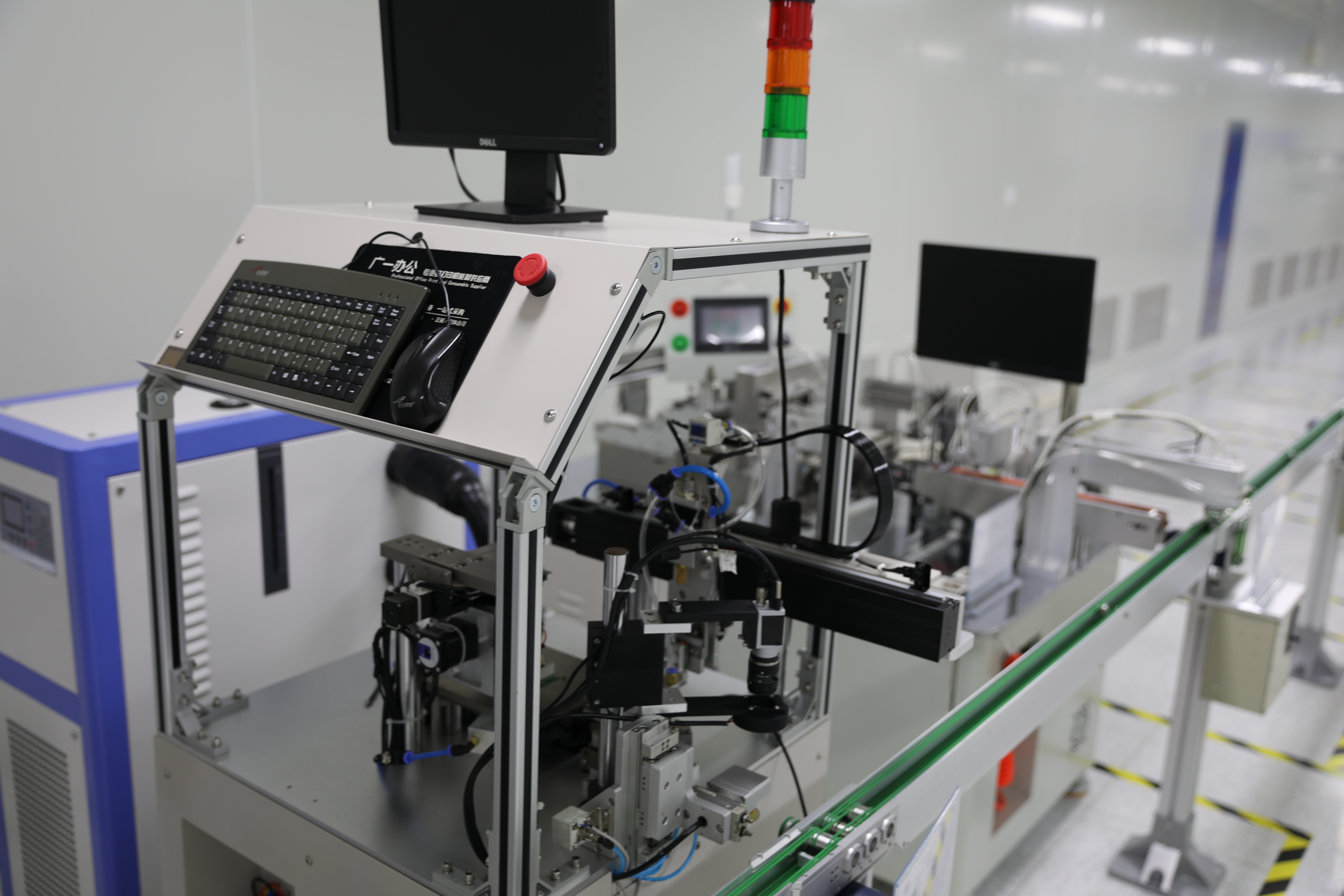
Pre-shipment testing is the acceptance gate: what is measured before dispatch determines what arrives at the line.
The purchasing terms and acceptance criteria question is the one buyers most often leave until late. Raising it early changes the shape of the comparison. The following table summarises Fronter's stated commercial terms, which buyers can use as a benchmark when comparing quotes.
| Commercial Term | Fronter Stated Term |
|---|---|
| Minimum order quantity | MOQ: 1K |
| Delivery terms | EXW |
| Acceptance criteria | Pre-shipment test |
| Payment terms | 100% in advance |
Terms as stated by Fronter Electronics Co., Ltd; confirm against your purchase order.
When comparing suppliers on these four items, the useful questions are concrete. Does the acceptance criterion name a specific pre-shipment test, or does it say "inspection on request"? Does EXW delivery place the export and freight burden clearly? Does the payment term align with the project's cash cycle? For long-term supply relationships — the core of an ecosystem decision — these terms set the rhythm of every subsequent order.
Use Cases in Smart Manufacturing
Production data loggers and edge gateways. These devices timestamp every event. A tuning fork crystal resonator provides the timekeeping reference, while an MHz quartz piezoelectric crystal clocks the processor and network interface. A single project may qualify both families at once.
Industrial control equipment and servers. Fronter lists industrial equipment, servers, and communication base stations among the applications for its crystal line, alongside automotive electronics and IoT devices. These are environments where long-term timing accuracy and reliability matter more than unit price.
IoT-connected factory sensors. Battery-backed sensor nodes lean on the low-power timekeeping role, while their wireless modules need an MHz reference. In these designs, the tuning fork and the quartz piezoelectric crystal are not alternatives — they are neighbours on the same board.
Harsh-environment equipment. Where ambient temperatures swing, the temperature grade decision becomes the controlling one. Fronter's industrial grade −40°C to 85°C and automotive grade −40°C to 125°C classifications give buyers a concrete way to specify the requirement rather than leaving it implicit.
Frequently Asked Questions
Which compliance standards should a smart manufacturing timing component meet?
Two standards form the baseline. AEC-Q200 is the global stress resistance standard required for passive electronic components, including crystal resonators, in automotive applications, issued by the Automotive Electronics Council. IEC 60122 series provides the international baseline for quartz crystal units, covering general requirements and measuring methods, from the International Electrotechnical Commission. Fronter states that its products comply with RoHS and REACH. Where automotive-grade reliability is required, AEC-Q200 is the relevant benchmark; industrial projects typically reference IEC 60122 and the buyer's own environmental specification.
How do I decide between a tuning fork and a quartz piezoelectric crystal for a smart manufacturing design?
Decide by timing role, not by price. If the board needs a low-frequency timekeeping reference for a real-time clock, the answer is a tuning fork crystal resonator in the 32.768 kHz class. If the board needs an MHz frequency reference for a processor, communication interface, or control loop, the answer is a quartz piezoelectric crystal, also referred to as a piezo crystal unit or quartz resonator. Most smart manufacturing boards use both. Fronter manufactures Quartz Crystal Resonator and Quartz Crystal Oscillator as its main products and also distributes brands including SUNLORD, KDS, EPSON, and NDK, so both roles can be qualified through one channel.
What are the purchasing terms and acceptance criteria?
Fronter's stated terms are MOQ 1K, delivery terms EXW, acceptance criteria pre-shipment test, and payment terms 100% in advance. Buyers comparing suppliers should confirm that the acceptance criterion names an actual pre-shipment test procedure, and should reconcile EXW delivery and advance payment against their own cash and logistics cycle before committing to a long-term schedule.
Can the component be validated before volume production?
Validation runs through the acceptance gate. Fronter's stated acceptance criterion is a pre-shipment test, and the company states that each batch undergoes high-low temperature shock tests, for example −40°C to 85°C cycles, before leaving the factory, to confirm that frequency stability indicators such as ±0.5 ppm still meet standard at extreme temperatures. Fronter also cites full customization support for its crystal line. Buyers should agree in advance which parameters are measured at pre-shipment and what evidence accompanies the batch.
What lead time should buyers plan for?
Fronter's published lead time for its crystal line is 3–4 weeks, compared with 12–20 weeks typical for overseas brands. For a long-term supply relationship, that difference compounds across every replenishment cycle. Buyers evaluating a sustained smart manufacturing programme can request the current product catalogue and confirm MOQ, EXW delivery, and pre-shipment test acceptance directly with Fronter at www.chinafronter.com or by email at sales@chinafronter.com.
Conclusion
The tuning fork versus quartz piezoelectric crystal decision is not a contest. It is a role assignment. Tuning fork crystal resonators hold the low-frequency timekeeping reference that keeps smart manufacturing data coherent. Quartz piezoelectric crystals hold the MHz clock reference that keeps processors, interfaces, and control loops running. Once both roles are mapped, the remaining work is procurement discipline: matching temperature grade to environment, matching package format to assembly process, and settling MOQ, delivery terms, acceptance criteria, and payment terms before the first order.
For buyers building a long-term supply channel rather than a one-off purchase, the practical next step is to qualify both component families through the same source and confirm the commercial terms in writing. Fronter Electronics Co., Ltd, founded in 1991 and operating from Shenzhen with a 21,000 m² facility and a 19-engineer R&D team, manufactures quartz crystal resonators and oscillators and distributes complementary brands including KDS, EPSON, and NDK — which makes it a single-channel option for both sides of the decision.
Next Step
Review Fronter's full quartz crystal resonator and oscillator range, including frequency, package, and temperature-grade options. Request the product catalogue to compare specifications against your current bill of materials.
Download Product Catalogue (PDF) Request a Quote on WhatsApp
Fronter Electronics Co., Ltd | www.chinafronter.com | sales@chinafronter.com | WhatsApp: +8618903026195 | Shenzhen, China
Have Questions or Need More Details?
Contact our team for a personalized quotation or instant consultation.
Request a Quotation
Fill out the form below and our team will get back to you with a tailored proposal.
WhatsApp Direct Chat
Prefer to chat in real-time? Message us on WhatsApp for instant assistance & quick answers.
- Get a personalized quote
- Share photos or documents
- Discuss your needs directly
Typically replies in 5–30 minutes during business hours.