
How to Build a Long-Term Crystal Oscillator Supply Partnership
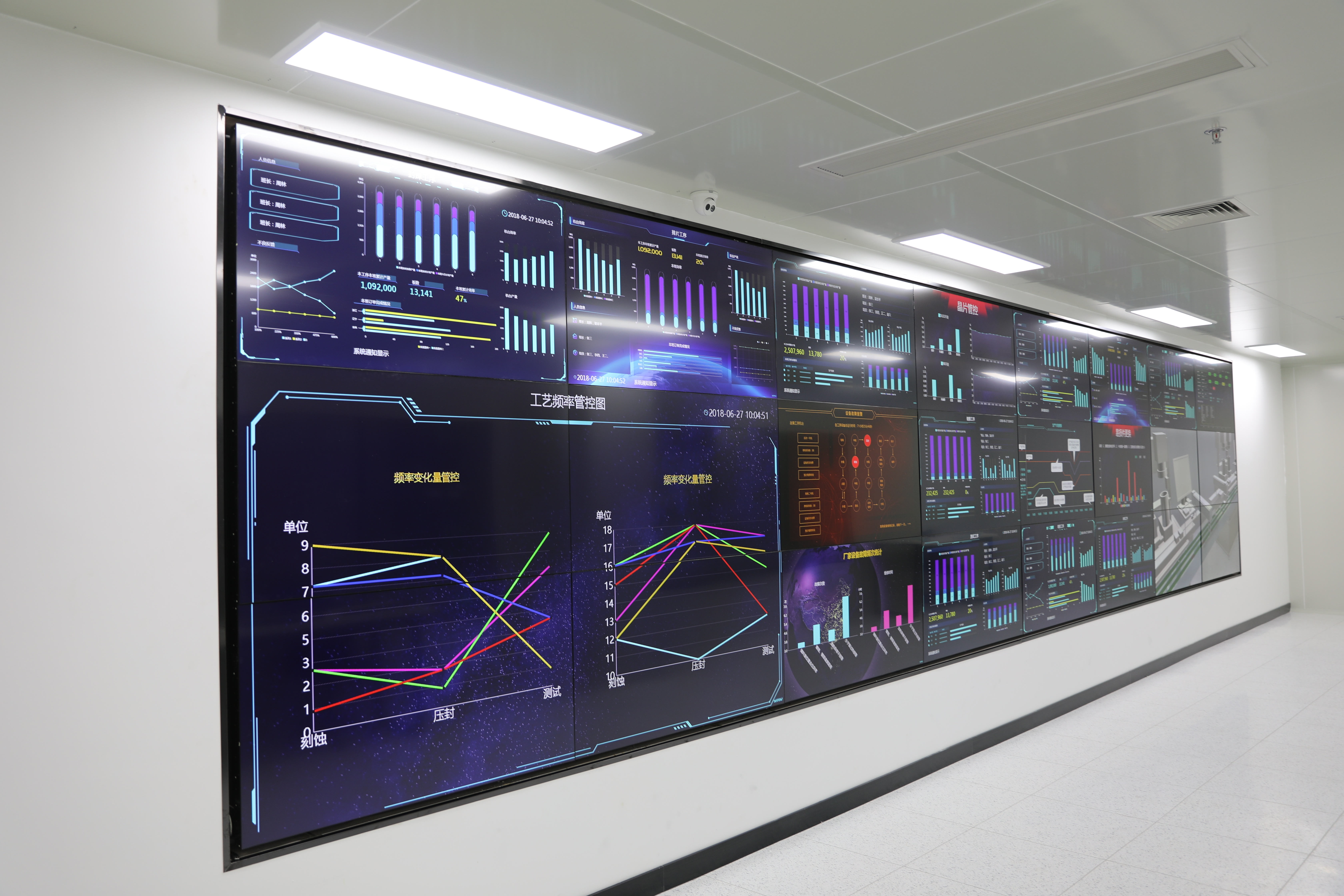
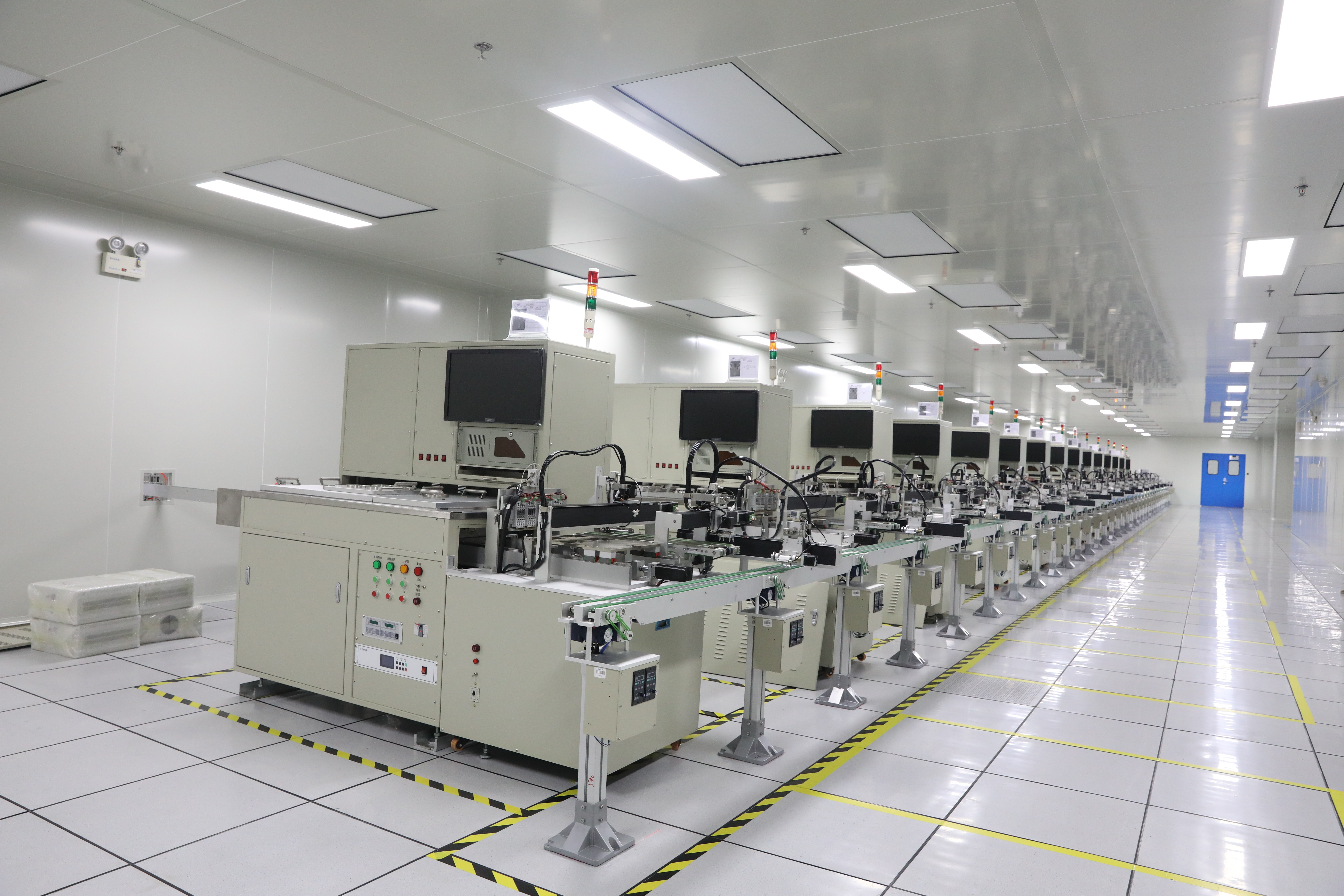
For original equipment manufacturers, contract electronics manufacturers, and component distributors, selecting a crystal oscillator supplier is not a one-time purchasing event. The total cost of a timing component is realized over years of field operation—through frequency drift, batch consistency, automotive-grade reliability, and supply responsiveness. This article provides a decision framework for building a long-term quartz crystal oscillator supply partnership, using measurable examples from Fronter Electronics Co., Ltd, a manufacturer established in 1991 and operating a 21,000 m² production facility in Shenzhen.
The Real Problem: From Sample Success to Long-Term Reliability
Most buyers pass the sample stage quickly. The harder challenge is ensuring that every production batch behaves like the sample. Without disciplined process control, a crystal oscillator supplier may deliver different frequency stability, aging rates, or phase noise characteristics from one lot to another. In automotive, telecom, and industrial applications, such variation leads to field failures, clock drift, and unscheduled maintenance.
Frequent supplier switching adds another layer of risk. Each new qualification cycle consumes time, and replacing a component already designed into a product may require a full re-validation. For distributors, unstable supply also creates inventory shortages and service liabilities. A long-term supplier relationship, by contrast, transfers the burden of consistency and continuous improvement to a partner with ownership over the manufacturing process.
Industry Background: A Market Moving Toward Higher Precision and Miniaturization
The crystal oscillator market continues to grow. MarketsandMarkets values the global crystal oscillator market at approximately USD 2.89 billion in 2025, with projections reaching USD 3.66 billion by 2030. Precedence Research reports that the Asia-Pacific region dominates the market, capturing over 42% share (about USD 1.1 billion) in 2024, supported by high electronics production in China, Japan, and South Korea.
Temperature-compensated crystal oscillators (TCXOs) held a 30% market share in 2024, reflecting their importance in telecom and GPS timing. The oven-controlled crystal oscillator (OCXO) segment is projected to grow at a CAGR of 2.6%, reaching USD 528 million by 2028, driven by 5G base station demand. Meanwhile, surface-mount (SMD) oscillators are expected to account for 80% of the market by 2025 because of miniaturization trends in IoT and wearables. This environment increases the demand for suppliers that can offer not only standard clock oscillators, but also high-stability, low-power, low-phase-noise, and differential-output oscillator variants.
Detailed Solution: Manufacturing Consistency as the Foundation of Partnership
Fronter Electronics Co., Ltd, whose brand “FT” was recognized as a National High-Tech Enterprise in 2017, is an example of a supplier built for long-term engagement. The company has 286 employees, 19 R&D engineers, and an annual output of 300 million units. 70% of its products are exported to the EU and USA. Its main products include quartz crystal resonators and quartz crystal oscillators, covering clock oscillators, VCXO, VCTCXO, TCXO, OCXO, SMD oscillators, 4-pin SMD oscillators, programmable oscillators, low power consumption oscillators, precision oscillators, and differential output oscillators.
For buyers, a wide product range matters. A single qualified supplier can support multiple projects, reducing the number of vendors to audit and qualify. Fronter also distributes branded components from SUNLORD, KDS, EPSON, NDK, TI, ST, ATMEL, AD, ALTERA, XILINX, SAMSUNG, SK HYNIX, MICRON, BROADCOM, and FREESCALE. Distributors can therefore consolidate crystal oscillator and broader electronic component purchasing in one place.
But the real proof of long-term capability lies in how a supplier controls manufacturing variation. Fronter’s production system addresses five specific risks that affect oscillator performance in the field.
1. Batch Consistency and Process Fluctuation
Fronter applies Statistical Process Control (SPC) with CPK targets to critical processes such as frequency trimming and resistor soldering. Data is collected each shift, and production is stopped if abnormal trends appear. The company uses automated closed-loop frequency tuning with laser trimming to correct frequency deviation in real time, keeping the distribution concentrated across batches.
Batch traceability runs from crystal ingot to finished product. Before shipment, random samples are tested for key parameter distribution, including frequency deviation histograms, ensuring that within-batch and between-batch dispersion meets datasheet specifications. This discipline reduces the risk of receiving a “good sample, bad batch”.
2. Clock Jitter and Phase Noise
For high-end oscillators such as TCXO, OCXO, and differential output oscillators, signal purity is critical. Fronter uses low-noise chips and optimized power supply filter circuits in the oscillation circuit. Every batch of high-end oscillators undergoes 100% phase noise inspection using phase noise analyzers. Factory reports include typical jitter values and PCB layout recommendations, such as power supply decoupling and impedance matching, to help customers avoid additional system-level jitter.
3. Mechanical Vibration and Shock Reliability
Automotive and industrial environments expose oscillators to shock and vibration. Fronter uses dispensing technology to fix the wafer to the base, and offers smaller SMD packages such as SMD3225 and SMD2520 to reduce inertial force. Solder joint reliability is improved through electrode material and soldering process optimization. Each batch receives random mechanical shock and random vibration testing, and automotive-grade products are produced on dedicated lines in accordance with the AEC-Q200 standard, including cross-sectional analysis of wafer-fixing adhesive and solder joints.
4. Electrostatic Discharge (ESD) Damage
ESD can damage a crystal oscillator at any point in the assembly process. Fronter integrates on-chip ESD protection structures and adds board-level protection such as TVS diodes and filter capacitors. The production workshops strictly follow the ESD20.20 standard, with anti-static materials for workbenches, turnover carts, and packaging. During product certification, contact discharge and air discharge tests are performed according to IEC 61000-4-2, with contact discharge ≥ ±4kV and air discharge ≥ ±8kV, verifying sufficient anti-static capability.
5. Frequency-Temperature Stability
Temperature changes can cause frequency drift. Fronter uses TCXO technology with analog or digital compensation circuits, and OCXO technology with oven-controlled environments to isolate the crystal from external temperature changes. A strict temperature-characteristic classification BOM is maintained for consumer-grade (-20°C to 85°C), industrial-grade (-40°C to 85°C), and automotive-grade (-40°C to 125°C) applications. Each batch undergoes high-low temperature shock tests, for example -40°C to 85°C cycles, to confirm that frequency stability indicators such as ±0.5ppm are still met under extreme temperatures.
Step-by-Step: How to Build a Long-Term Crystal Oscillator Supply Agreement
The following six-step workflow translates the selection process into an execution plan for a long-term crystal oscillator partnership.
Step 1: Define the Full Technical Requirement
Start with nominal frequency, load capacitance, frequency tolerance, frequency stability, operating temperature range, package type, and any required output format (CMOS, differential, etc.). For example, Fronter offers SMD oscillators in packages such as SMD7050, 5032, 3225, 2520, 2016, and 1612, with nominal frequencies from 1 to 96 MHz, load capacitance from 4 to 33 pF, frequency tolerance from ±5 ppm to ±100 ppm, frequency stability from ±10 ppm to ±100 ppm, and operating temperature from -55°C to +125°C. Having this information improves the clarity of the qualification process.
Step 2: Audit Manufacturing Capability
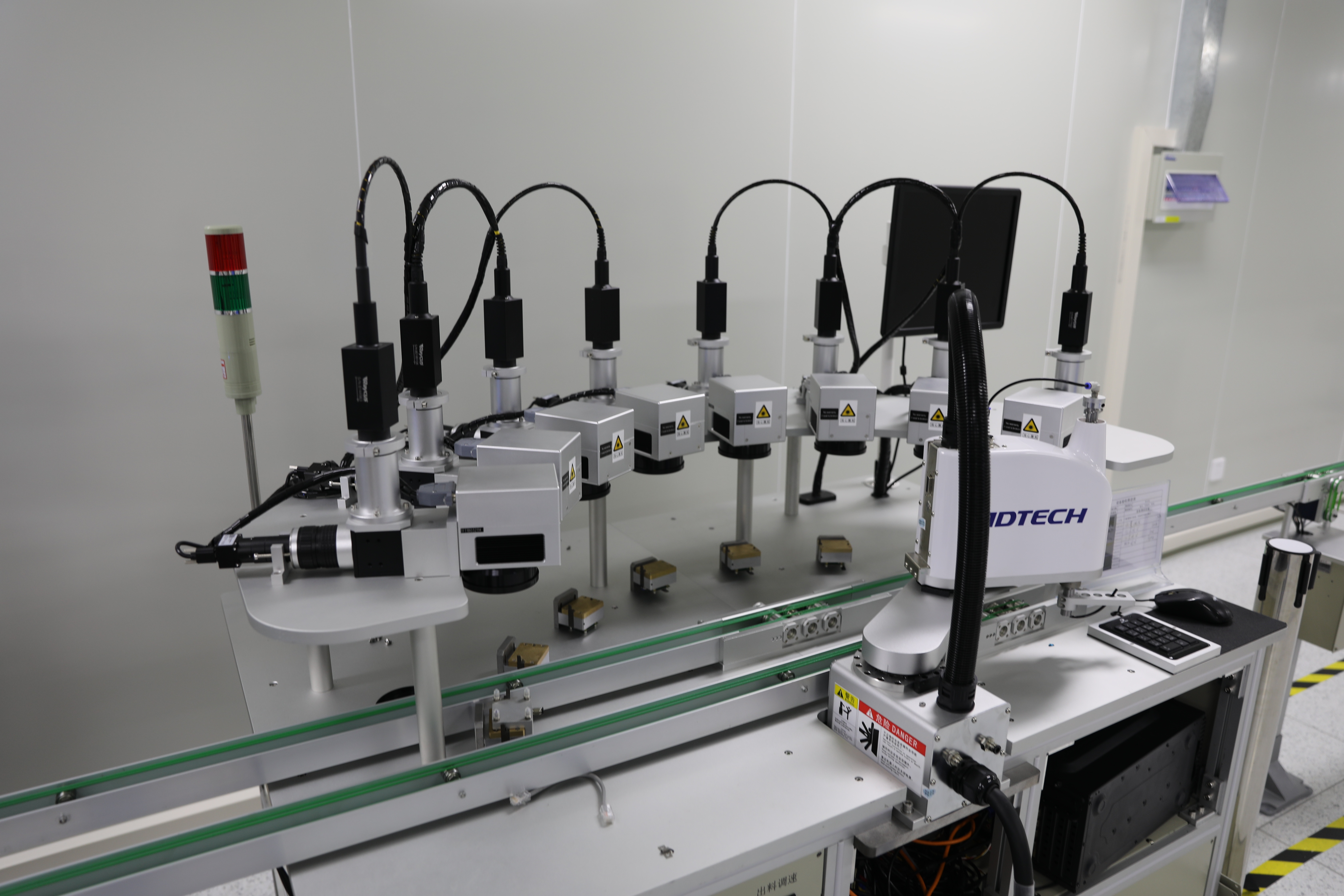
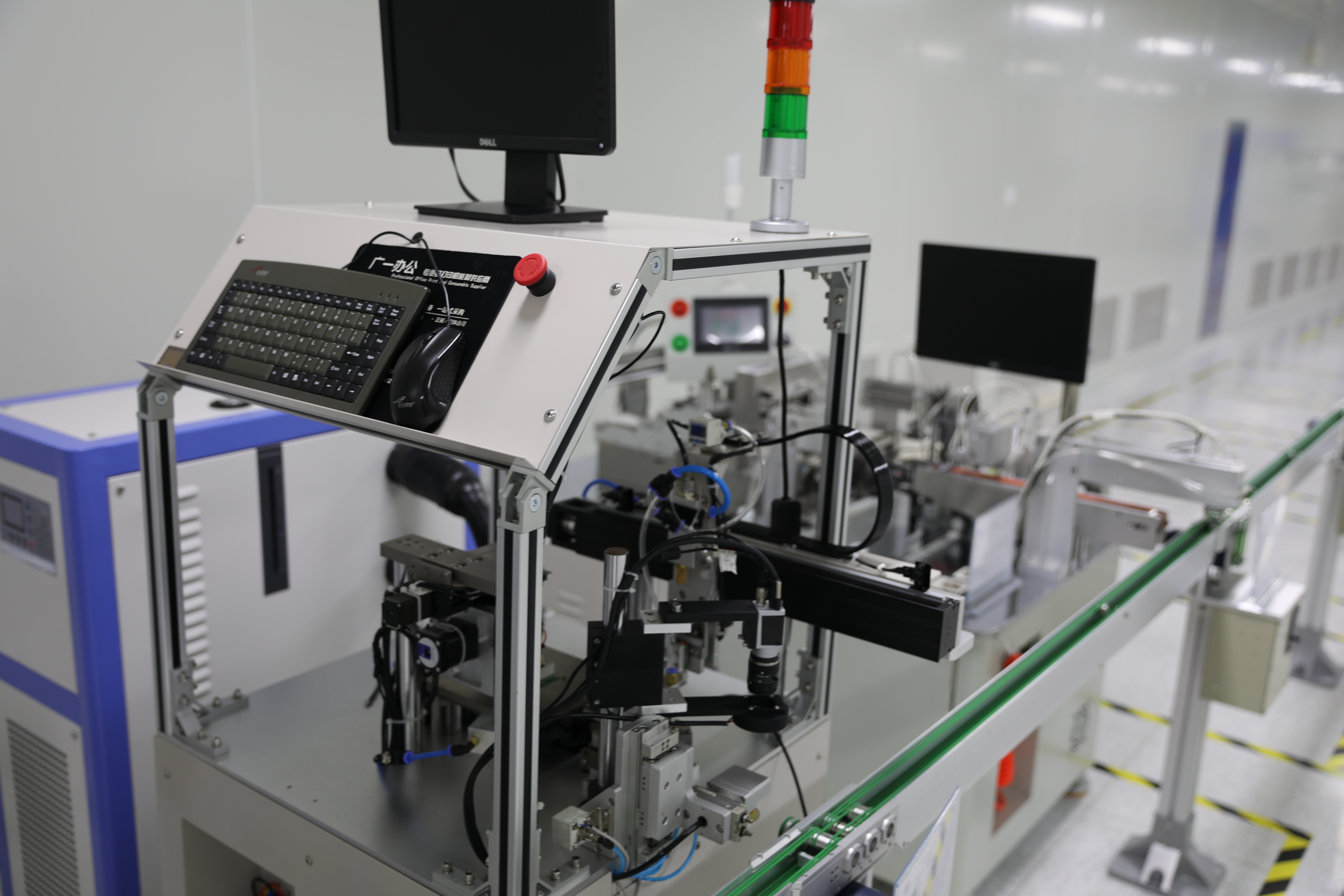
Visit or remotely audit the supplier’s quality system. Look for SPC implementation, batch traceability, ESD control, and test equipment. Fronter’s production line uses automated closed-loop frequency tuning and MES-controlled process parameters. Automotive customers can also verify dedicated production lines aligned with AEC-Q200.
Step 3: Validate Samples in Realistic Conditions
Do not limit testing to room temperature. Include temperature cycling, mechanical shock, vibration, and ESD stress tests that reflect the end application. Ask the supplier for phase noise data and jitter simulation reports.
Step 4: Run a Pilot Production Batch
A pilot batch verifies that the supplier can reproduce sample performance at volume. Review the frequency deviation histogram, CPK values, and any batch-to-batch variation data. Fronter’s pre-shipment testing policy means the pilot batch itself is inspected before delivery.
Step 5: Agree on Commercial and Supply Terms
Clarify MOQ, delivery method, acceptance procedure, and payment terms. Fronter’s standard terms are an MOQ of 1,000 pieces, EXW delivery, pre-shipment testing, and 100% advance payment. For a long-term forecast, distributors may negotiate scheduled releases and buffer stock arrangements.
Step 6: Establish Continuous Monitoring and Feedback
Long-term partnerships require periodic quality reviews. Track field failure rates, aging performance, and supplier responsiveness. A supplier with a full-process batch traceability system can help you quickly isolate the affected batch if a problem appears.
Use Cases: Where Long-Term Supply Partnerships Matter Most
Automotive Electronics
Automotive crystal oscillators must meet AEC-Q200 requirements for use in ADAS and safety-critical systems. Suppliers need dedicated production lines and the ability to maintain consistent quality over a vehicle’s lifetime. Fronter’s automotive-grade production line and mechanical reliability testing support this segment.
Communication Base Stations and 5G
Base stations require high-stability, low-phase-noise TCXO and OCXO oscillators to maintain network timing. The OCXO segment is growing as 5G expands. A long-term partner should provide 100% phase noise inspection and temperature stability testing across the full operating range.
Industrial Control and Instrumentation
Industrial equipment often runs continuously for years. Low annual aging rate, for example ≤ ±2 ppm, matters more than initial frequency tolerance. Suppliers that can provide stable aging performance reduce maintenance costs and system downtime.
IoT, Wearables, and Battery-Powered Devices
Compact SMD oscillators such as 2016 and 1612 packages are needed for space-constrained designs. Low power consumption and stable start-up are key. As the SMD segment approaches 80% of the market, a supplier with a broad SMD portfolio simplifies long-term sourcing.
Distribution and Multi-Brand Sourcing
Distributors benefit from a manufacturer that can supply standard and specialized oscillators, plus other components such as inductors, capacitors, connectors, and ICs. Fronter’s distribution of brands such as SUNLORD, KDS, EPSON, NDK, TI, ST, ATMEL, AD, ALTERA, XILINX, SAMSUNG, SK HYNIX, MICRON, BROADCOM, and FREESCALE gives distributors a broader consolidation option.
Comparison: Fronter vs General-Purpose Crystal Oscillators
When selecting a long-term supplier, buyers often compare a specialized oscillator partner with general-purpose or consumer-grade crystal oscillator sources. The table below shows measurable differences based on Fronter’s production data for automotive and industrial grade products.
| Parameter | Fronter Automotive/Industrial Grade | General-Purpose / Consumer-Grade |
|---|---|---|
| Frequency stability | ≤ ±20 ppm (some models ≤ ±10 ppm) | ±20 to ±50 ppm industry average |
| Annual aging rate | ≤ ±2 ppm | ±3 to ±5 ppm common level |
| Lead time | 3-4 weeks | 12-20 weeks for overseas brands |
| Best for | Automotive electronics, base stations, servers, industrial, IoT | Consumer electronics and less demanding timing |
| Long-term cost | Lower maintenance cost by eliminating clock-drift downtime | Potential field failures and recalibration costs |
| Customization | Full customization support | Limited |
This comparison does not suggest that all consumer-grade oscillators are poor choices. It demonstrates that applications requiring long-term precision and reliability should be evaluated on stability, aging, and total cost, not only on initial price.
Frequently Asked Questions
Does Fronter meet automotive and environmental compliance requirements?
Fronter’s automotive-grade crystal oscillators are produced on dedicated lines in accordance with the AEC-Q200 standard. All Fronter products comply with RoHS, REACH and other environmental protection regulations. The company also performs ESD verification according to IEC 61000-4-2 and full temperature range testing for every batch.
Can Fronter handle custom crystal oscillator specifications and OEM/ODM needs?
Yes. Fronter’s 19-engineer R&D team and full in-house production enable custom frequency tolerance, stability, load capacitance, and operating temperature requirements. The company supports full customization for automotive, communication, industrial, and IoT applications, including package options from SMD1612 to SMD7050.
What are the commercial terms for a long-term engagement?
Standard terms are an MOQ of 1,000 pieces, EXW delivery, pre-shipment testing, and 100% advance payment. Because Fronter controls its own production, buyers can avoid the long lead times and higher inventory costs often associated with offshore oscillator brands.
What pre-shipment testing and product validation support is available?
Every batch undergoes pre-shipment testing. For high-end oscillators, phase noise analyzers are used for 100% inspection. Random samples are tested for key parameter distribution before shipment, and factory reports include typical jitter values and PCB layout recommendations. Batch traceability from crystal ingot to finished product is available to support failure analysis.
What is the lead time for standard and custom oscillators?
Fronter’s lead time is 3-4 weeks, compared with 12-20 weeks for many overseas brands. This faster lead time helps buyers reduce inventory risk and respond quickly to project changes. For a detailed capability profile or to start a qualification process, download the Fronter company brochure or contact sales@chinafronter.com.
Conclusion
Long-term crystal oscillator supply is not about finding the lowest per-unit price. It is about selecting a manufacturer that can maintain frequency stability, batch consistency, and reliability across years of production. Fronter Electronics Co., Ltd combines in-house production, automated process control, AEC-Q200-aligned automotive lines, full temperature range testing, and flexible customization, making it a practical partner for automotive, communication, industrial, IoT, and distribution buyers.
To evaluate Fronter for your long-term sourcing plan, download the company brochure: Fronter Company Brochure.
Next Step: For sample requests, quotes, or distributor inquiries, contact Fronter at sales@chinafronter.com or visit www.chinafronter.com.
Have Questions or Need More Details?
Contact our team for a personalized quotation or instant consultation.
Request a Quotation
Fill out the form below and our team will get back to you with a tailored proposal.
WhatsApp Direct Chat
Prefer to chat in real-time? Message us on WhatsApp for instant assistance & quick answers.
- Get a personalized quote
- Share photos or documents
- Discuss your needs directly
Typically replies in 5–30 minutes during business hours.