A Buyer's Guide to Sourcing Reliable Crystal Oscillator Suppliers
In the rapidly evolving electronics industry, the selection of a crystal oscillator supplier is a critical decision that impacts product performance, reliability, and time-to-market. With applications spanning from IoT and automotive electronics to radar and 5G base stations, the demand for precision timing components like Clock oscillators, TCXOs, OCXOs, and Differential oscillators is higher than ever. This guide provides a structured framework for procurement professionals to identify, evaluate, and partner with a qualified crystal oscillator manufacturer.
1. Define Your Technical and Application Requirements
The first step is a precise definition of needs. Crystal oscillators are not a one-size-fits-all component. Key parameters to specify include:
- Type: Do you need a standard Quartz crystal oscillator, a Temperature-Compensated Crystal Oscillator (TCXO) for stability across temperature ranges, an Oven-Controlled Crystal Oscillator (OCXO) for ultra-high precision, or a Voltage-Controlled Crystal Oscillator (VCXO/VCTCXO)?
- Performance: Specifications for frequency stability, phase noise (Low phase noise oscillator), jitter, and aging rate are paramount for applications like communications and instrumentation.
- Form Factor & Power: Determine if a through-hole or an SMD oscillator (like a 4-pin SMD oscillator) is required. Low power consumption is critical for battery-operated devices.
- Environmental & Compliance: For Automotive crystal oscillator applications, AEC-Q200 compliance is essential. For all markets, ensure compliance with RoHS and REACH regulations.
Clarity here will immediately narrow the field of potential suppliers.
2. Evaluate Manufacturing Capability and Quality Systems
A supplier's infrastructure is a direct indicator of reliability and scalability. Look for evidence of:
- Advanced Production Facilities: Automated production lines with precision equipment ensure consistency and high volume capability. For example, suppliers like Fronter Electronics Co., Ltd. operate multiple automated facilities equipped with world-class manufacturing and testing machines.
- In-House R&D: The ability to provide programmable oscillator solutions or develop custom Active crystal oscillators signals strong technical prowess. A dedicated engineering team is crucial for turnkey solutions and supporting complex projects.
- Rigorous Quality Control: Inquire about their testing protocols. A robust quality management system should cover everything from incoming material inspection to final product aging tests.
Visual evidence of a modern factory floor can be a strong positive signal.
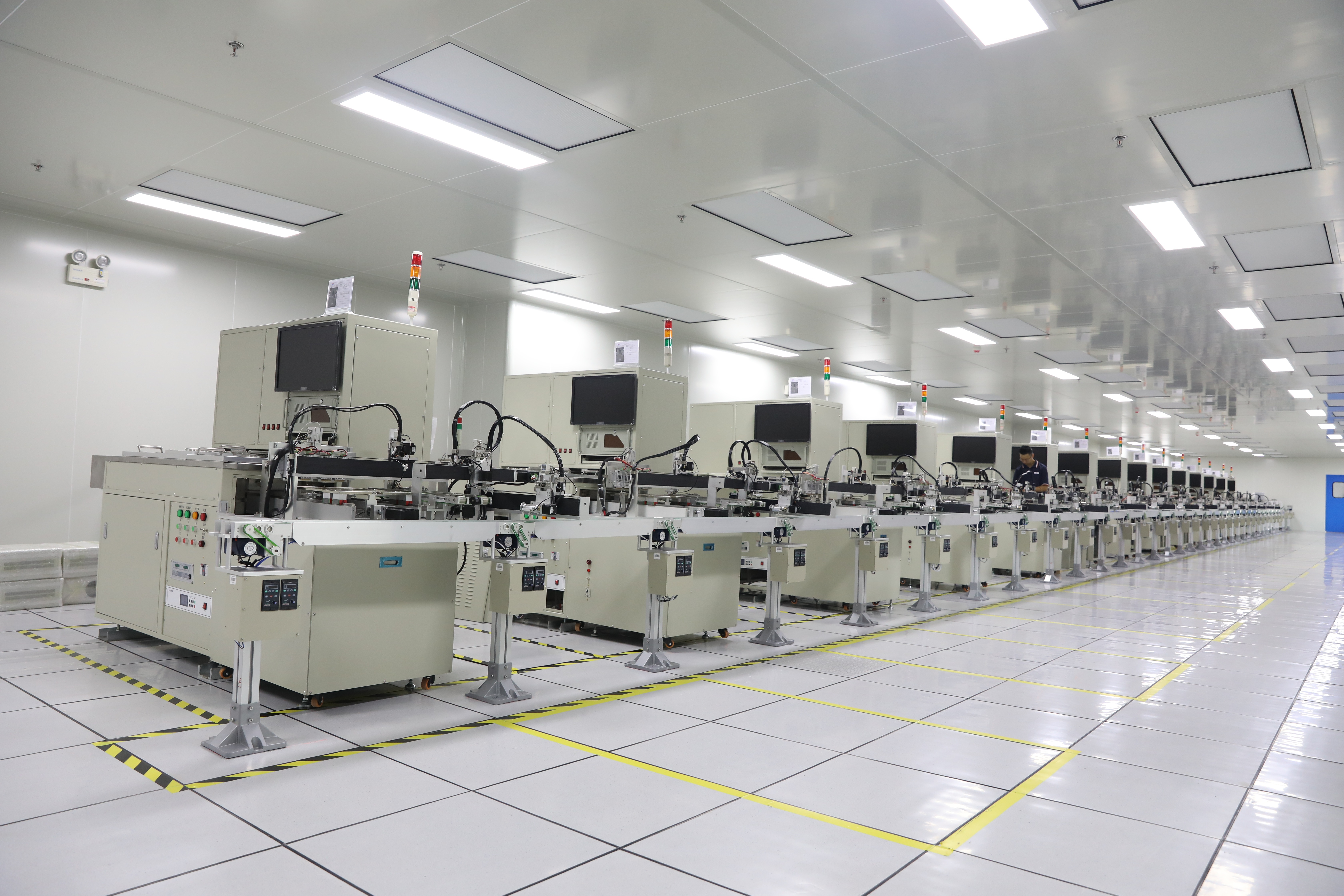
State-of-the-art automated production line for consistent quality.
3. Verify Certifications and Industry Compliance
Certifications are non-negotiable benchmarks. They validate a supplier's commitment to international standards. Essential certifications include:
- RoHS & REACH Compliance: Proof that products are free from hazardous substances. Reputable suppliers will have comprehensive test reports for their product lines, including SMD quartz crystal resonators, monolithic crystal filters, and ceramic components.
- ISO Quality Management Systems: (e.g., ISO 9001) demonstrate a systematic approach to quality.
- Industry-Specific Approvals: Such as the aforementioned AEC-Q200 for automotive.
Always request to see the latest certification documents. For instance, a company like Fronter, recognized as a National High-Tech Enterprise, typically maintains an extensive portfolio of compliance documents, which can be reviewed on request.
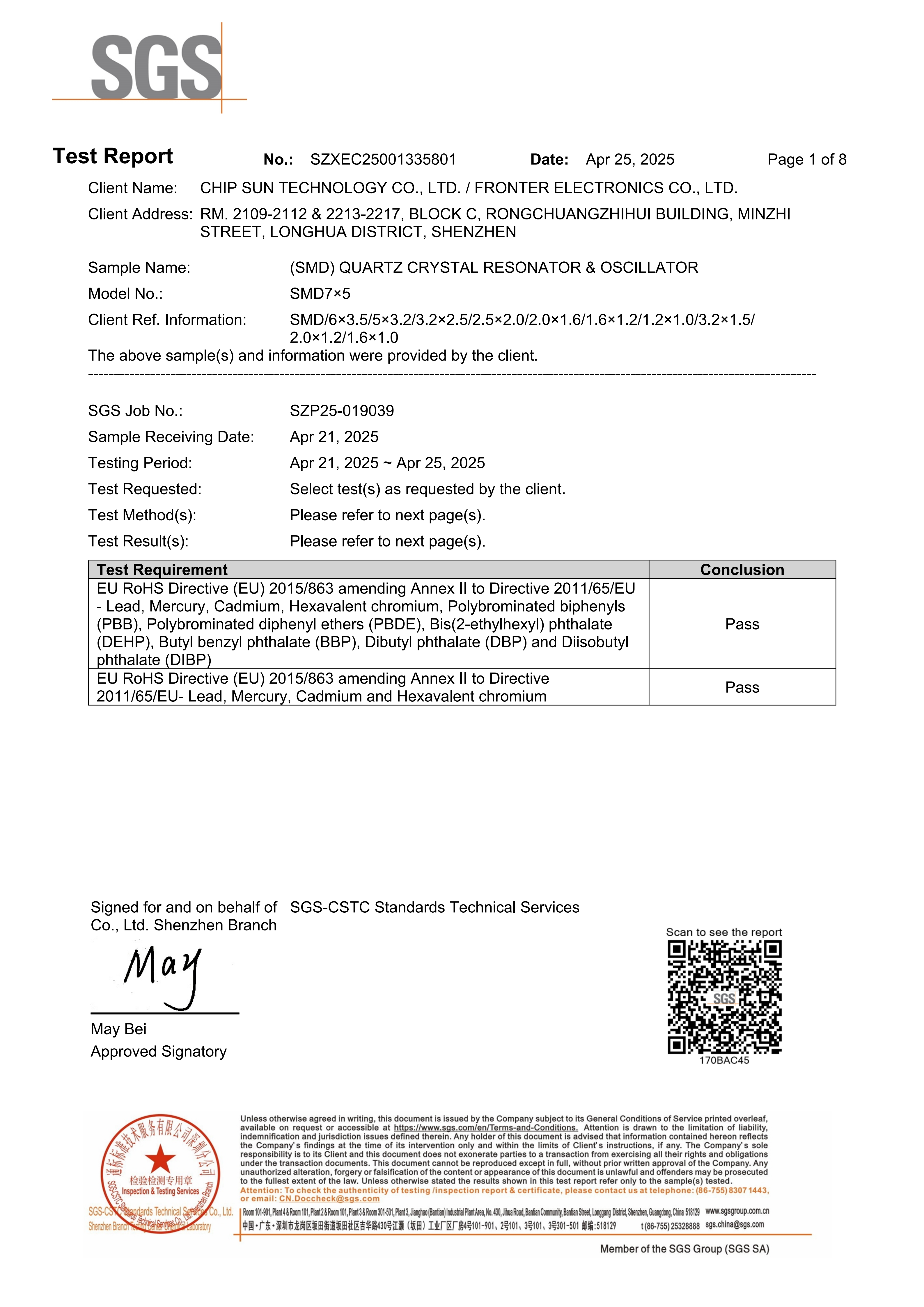
Sample RoHS test report, a critical document for environmental compliance.
4. Assess Technical Support and Value-Added Services
The relationship extends beyond the transaction. The ideal supplier acts as a solutions partner.
- Pre-Sales Support: Can they provide expert technical consultation to help select the right High stability oscillator or Differential output oscillator for your design?
- Customization & NPI Support: The ability to research and develop according to customer needs is a significant advantage, especially for OEMs and ODMs.
- Supply Chain Stability: Evaluate their logistics, inventory management, and communication channels. A supplier with a strong track record serving global markets is often more reliable.
Companies that offer R&D solutions and e-commerce platforms provide flexibility for different customer types, from large-scale OEMs to smaller EMS providers.
5. Conduct Due Diligence: References and Market Reputation
Finally, validate your findings through independent research:
- Request Customer References: Ask for case studies or contact details of clients in similar industries (e.g., telecommunications, automotive).
- Review Online Presence: A professional website (e.g., www.chinafronter.com) with detailed product information, company history, and clear contact methods (Tel: +86-755 8345 8798, Email: sales@chinafronter.com) indicates transparency.
- Industry Recognition: Awards, such as being designated a National High-Tech Enterprise, serve as third-party validation of a company's innovation and quality.
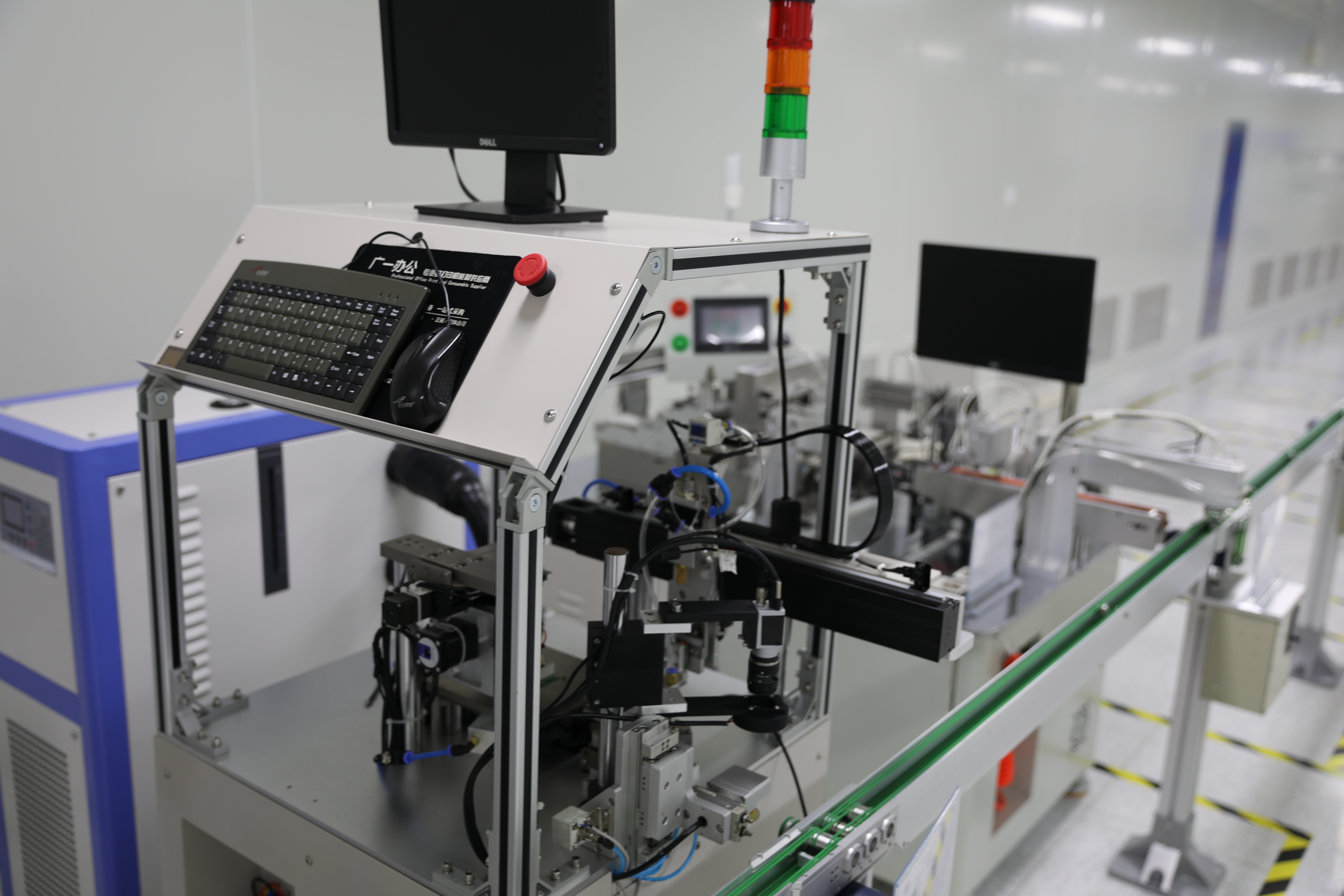
Precision testing ensures every Quartz Oscillator meets stringent performance criteria.
By methodically applying this framework—from defining precise technical needs for your Precision oscillator to verifying manufacturing depth and compliance—procurement teams can significantly de-risk their supply chain. The goal is to establish a partnership with a capable manufacturer like Fronter Electronics, whose brand FT is built on a foundation of over three decades of experience in frequency components, ensuring not just a component supply, but a reliable foundation for your product's success.