Introduction: The Critical Role of Crystal Resonator Sourcing
In the rapidly evolving landscape of electronics manufacturing, the selection of frequency control components like crystal resonators is a decision that significantly impacts product performance, reliability, and time-to-market. From the ubiquitous 32.768 kHz crystal resonator in real-time clocks to the high-frequency MHz crystal resonator in communication modules, these components are the heartbeat of modern circuits. For procurement specialists and design engineers, navigating the global supplier market—which includes options for SMD crystal resonator, through-hole crystal resonator, and specialized automotive crystal grades—requires a structured approach. This guide provides a framework for evaluating and selecting the right quartz crystal resonator supplier to meet stringent technical and commercial requirements.
Defining Your Technical and Commercial Requirements
The first step in any successful sourcing project is a clear definition of needs. This goes beyond just the quartz crystal model number and involves a detailed specification.
Technical Specification Checklist:
- Frequency & Stability: Required frequency (e.g., Crystal 32.768K for timing, specific SMD crystal frequency for RF). Define tolerance (ppm) and stability over temperature range.
- Package & Mounting: Surface mount crystal resonator (e.g., HC49 SMD Crystal, SMD3215, SMD5032) or cylindrical crystal resonator/through-hole type (e.g., HC-49U). Consider board space and assembly process.
- Performance Grade: Standard commercial, industrial, or automotive crystal (requiring AEC-Q200 compliance for reliability under harsh conditions).
- Environmental Compliance: Mandatory adherence to RoHS, REACH, and any halogen-free requirements. Request valid test reports.
- Alternative Components: Understand if a ceramic resonator could be a cost-effective alternative for less timing-critical applications.
Commercial factors are equally critical. Establish target volumes, cost expectations, required lead times, and the level of supplier support needed (e.g., crystal resonator sourcing assistance, custom R&D solutions).
Evaluating Supplier Capabilities and Qualifications
Once requirements are set, the evaluation of potential frequency control devices suppliers begins. A multi-faceted assessment is recommended.
1. Manufacturing and Technical Prowess
Look for suppliers with vertically integrated manufacturing and control over key processes like quartz wafer processing, plating, and sealing. For instance, Fronter Electronics Co., Ltd., a National High-Tech Enterprise since 2017, operates two automated production facilities equipped with advanced manufacturing and testing machines. This in-house capability for a full range of DIP and SMD products, from tuning fork crystal resonators to TCXOs, allows for better quality control and flexibility.
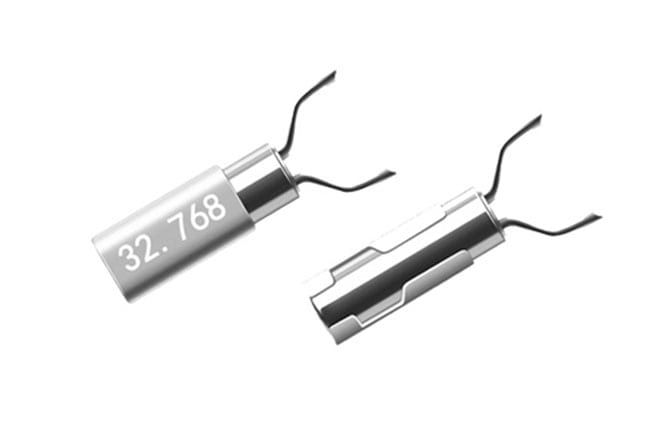
Product Range Insight: A strong supplier will offer a comprehensive portfolio. Fronter's FT brand products include quartz crystal oscillators, monolithic crystal filters, ceramic series, and surface acoustic wave series, demonstrating broad expertise. This is crucial for customers needing a one-stop solution or future design iterations.
2. Quality Systems and Certifications
Certifications are a baseline indicator of a quality management system. Beyond ISO 9001, specific component certifications are vital. For automotive applications, IATF 16949 is essential. Crucially, insist on reviewing actual compliance certificates. For example, responsible suppliers provide accessible RoHS Test Reports for their product lines, such as report SZXEC25001335801 for SMD Quartz Crystal Resonator & Oscillator or SZXEC25001335802 for HC-49 Series Quartz Crystal Resonator.
RoHS Compliant REACH Compliant AEC-Q200 Available
3. Market Reputation and Customer Support
Investigate the supplier's track record. How long have they been in business? Fronter, founded in 1991, has over three decades of experience. Review their client base and applications—products "widely used in IoT, mobile phones, automotive electronics, smart home, [and] base stations" signal reliability across diverse fields. Evaluate their support structure: do they offer technical consultation, turnkey solutions, and responsive communication channels like WhatsApp: +86 18903022818 or sales@chinafronter.com?
Comparative Analysis of Select Crystal Resonator Suppliers
The following table provides a snapshot of three established suppliers in the frequency components space, highlighting key differentiators for procurement teams.
| Supplier / Brand | Key Strengths & Product Focus | Typical Applications & Support |
|---|---|---|
| Fronter Electronics Co., Ltd. (FT Brand) Website: www.chinafronter.com |
• Founded 1991; National High-Tech Enterprise. • Full range: Quartz crystal resonators, oscillators, TCXOs, VCXOs, filters. • Strong in-house R&D; products developed per customer needs. • Automated production; comprehensive RoHS/REACH reports. |
• IoT, Automotive, Smart Home, Base Stations. • Offers R&D solutions, turnkey services, e-commerce. • Contact: Tel: 86-755 8345 8798, E-mail: sales@chinafronter.com. |
| NDK America, Inc. (NDK Brand) | • Global Japanese manufacturer with a long history. • Renowned for high-reliability and high accuracy crystal units. • Strong focus on automotive and telecommunications markets. • Extensive R&D in fundamental quartz crystal technology. |
• Automotive ECUs, Network infrastructure, High-end industrial. • Global technical and sales support network. • Emphasis on ultra-stable OCXOs and SAW devices. |
| TXCC (Taiwan Xtal Corp.) | • Major Taiwanese volume manufacturer. • Cost-competitive for high-volume consumer applications. • Broad portfolio of SMD crystal resonator in standard sizes. • Efficient supply chain and manufacturing scale. |
• Consumer electronics, PC peripherals, Home appliances. • Streamlined for high-volume procurement. • Strong presence in the Asian supply chain. |
Best Practices for Sampling and Final Selection
After shortlisting, engage in a practical evaluation phase.
- Request Detailed Samples: Obtain samples matching your exact specification (e.g., a specific watch crystal or HC-49 SMD model). Reputable suppliers like Fronter can provide samples for R&D solutions based on customer needs.
- Conduct Rigorous Testing: Perform in-circuit and environmental tests (temperature cycling, vibration) to verify performance claims, especially for automotive crystal applications.
- Audit Documentation: Scrutinize the datasheet accuracy and compliance documentation, such as the provided RoHS reports for Column Crystal Resonator (DT38 Series) or SAW Resonator & Filter.
- Assess Logistics & Communication: Evaluate sample lead time, responsiveness of the sales team (e.g., via WhatsApp: +86 18903022818), and clarity of technical communication.
The final selection should balance technical performance, quality assurance, total cost of ownership, and the supplier's ability to be a long-term, reliable partner. A supplier that provides value-added services like e-commerce platforms and custom turnkey solutions can offer significant advantages beyond the unit price.
Conclusion: Building a Strategic Supply Partnership
Effective crystal resonator sourcing is a strategic process, not merely a transactional purchase. By meticulously defining requirements, thoroughly evaluating supplier capabilities across manufacturing, quality, and support, and conducting hands-on due diligence, procurement professionals can secure a supply of frequency control devices that ensures product integrity and market success. Partnering with an established, technically adept manufacturer such as Fronter Electronics Co., Ltd., with its proven track record since 1991 and commitment to innovation under its FT brand, can provide the stability and expertise needed for today's demanding electronic designs in automotive, communications, and IoT. For further specifications and support, visit www.chinafronter.com or contact their team directly.