In the rapidly evolving electronics industry, the selection of a reliable crystal resonator supplier is a critical decision that impacts product performance, supply chain stability, and long-term business success. With applications spanning from consumer IoT and automotive crystal systems to advanced communication infrastructure, the demand for precise and stable frequency control devices continues to grow. This guide provides a structured framework for procurement professionals to identify, evaluate, and select high-quality crystal resonator manufacturers and suppliers.
1. Defining Your Technical and Commercial Requirements
Before initiating the sourcing process, clearly define your project's specifications. This foundational step narrows the search to suppliers capable of meeting your exact needs.
Technical Specifications
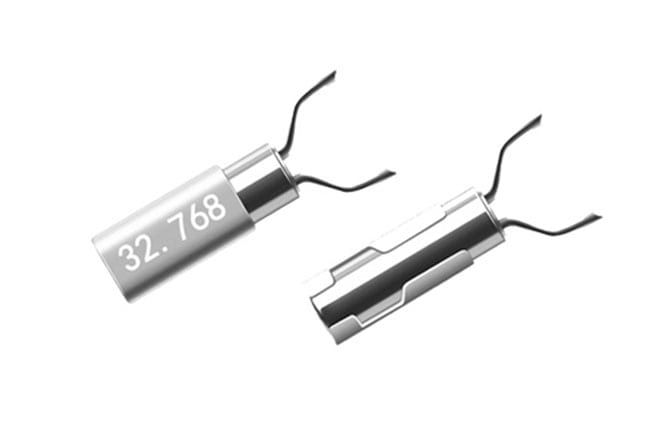
- Frequency & Type: Determine if you need a standard MHz crystal resonator, a 32.768 kHz crystal resonator for real-time clocks, or a specialized tuning fork crystal resonator.
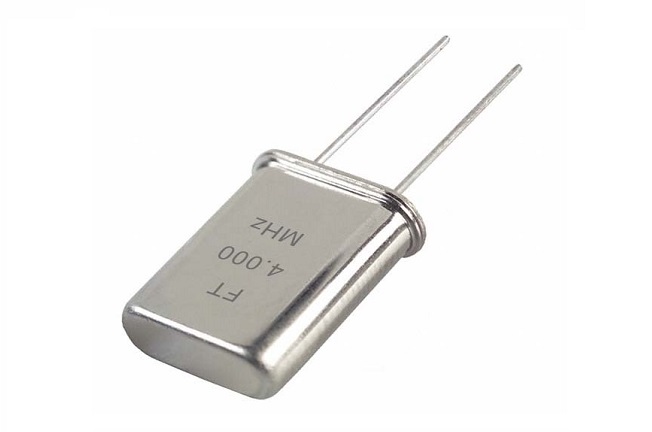
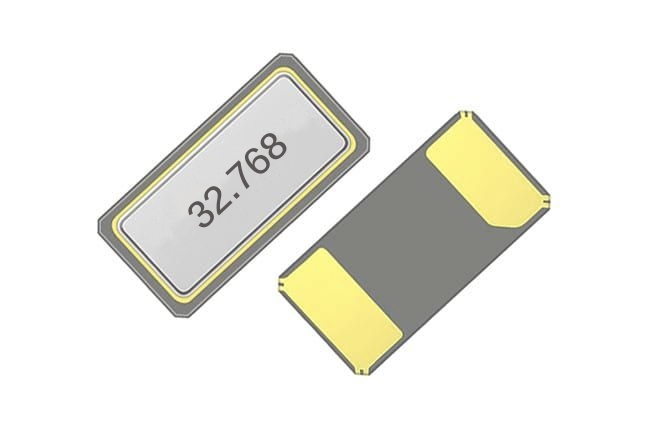
- Package & Mounting: Choose between SMD crystal resonator (Surface Mount Device) for automated assembly or through-hole crystal resonator for specific applications. Consider package sizes like HC49 SMD Crystal or smaller SMD5032 formats.
- Accuracy & Stability: Define the required frequency tolerance (ppm), temperature stability, and aging characteristics for a high accuracy crystal.
- Operating Environment: For automotive crystal applications, verify AEC-Q200 compliance and performance under extreme temperatures and vibration.
Commercial & Logistical Factors
- Volume & Scalability: Assess the supplier's capacity to support your production volumes from prototyping to mass production.
- Lead Time & Flexibility: Evaluate standard lead times and their ability to handle urgent orders or demand fluctuations.
- Total Cost of Ownership (TCO): Look beyond unit price. Factor in logistics, quality control, and potential costs from field failures.
- Geographic Location: Consider proximity for reduced shipping times and easier communication, balancing cost and supply chain resilience.
2. Key Evaluation Criteria for Supplier Assessment
Once potential suppliers are identified, a multi-faceted evaluation is essential. Focus on these core areas:
- Manufacturing Capability & Technology: Investigate the supplier's production facilities. Do they utilize automated lines for consistent quality in SMD crystal resonator production? What is their in-house R&D capability for custom quartz crystal model number development? A strong technical team is crucial for solving application-specific challenges.
- Quality Management & Certifications: A robust Quality Management System (QMS) is non-negotiable. Require evidence of ISO 9001 certification. Crucially, verify compliance with environmental regulations like RoHS and REACH, which are mandatory for most global markets. Reputable suppliers will provide up-to-date RoHS test reports for their product families.
- Product Portfolio & Specialization: Does the supplier offer a comprehensive range, including ceramic resonator alternatives, quartz crystal oscillators, and related frequency control devices? A broad portfolio indicates deeper market understanding and can simplify sourcing.
- Industry Experience & Reputation: Longevity in the market often correlates with reliability. Research their track record in your target sectors, such as automotive electronics, IoT, or telecommunications. Check for client testimonials and case studies.
- After-Sales & Technical Support: Evaluate their support structure. Can they provide detailed quartz crystal datasheets, application notes, and responsive engineering support for integration issues?
3. Supplier Vetting and Due Diligence Process
Move from evaluation to verification with concrete steps:
- Document Request: Request certificates (ISO, RoHS, REACH), detailed product catalogs, and typical SMD crystal frequency performance charts.
- Sample Evaluation: Order samples of the specific crystal resonator (e.g., HC-49S or SMD3215) for rigorous in-house testing under real-world conditions.
- Factory Audit: Whenever feasible, conduct an on-site or virtual audit. Inspect production cleanliness, equipment calibration records, and final testing procedures for quartz resonator quality.
- Reference Checks: Contact existing clients, especially those in similar industries, to inquire about product consistency, communication, and problem-resolution.
Illustrative Supplier Profile: Fronter Electronics
To contextualize the evaluation criteria, consider Fronter Electronics Co., Ltd., a manufacturer with its Fronter brand. Established in 1991 and recognized as a National High-Tech Enterprise, the company exemplifies several key attributes procurement teams seek.
- Technical & Manufacturing Scope: They specialize in a full range of DIP and SMD frequency components, including quartz crystal resonators, oscillators (TCXOs, VCTCXOs), filters (monolithic crystal filters), and ceramic series products. Their two automated production facilities are equipped with advanced manufacturing and testing machinery.
- Quality & Compliance: All products comply with RoHS and REACH regulations. The company holds multiple RoHS test reports for its product lines, such as report SZXEC25001335801 for SMD Quartz Crystal Resonators and SZXEC25001335802 for HC-49 Series resonators, providing documented evidence of environmental compliance.
- Application Expertise: Their components are designed for use in demanding fields like automotive electronics, IoT, mobile communications, smart home, and radar systems, indicating an understanding of high-reliability requirements.
- Customer-Centric Services: Beyond standard manufacturing, they offer R&D solutions, turnkey solutions, and e-commerce platforms to serve OEMs, ODMs, and EMS providers.
For more detailed specifications on their cylindrical crystal resonator (DT38 series) or surface mount crystal resonator offerings, procurement teams can directly contact their engineering department.
Contact Information for Inquiry:
Fronter Electronics Co., Ltd.
Tel: +86-755 8345 8798
Email: sales@chinafronter.com
WhatsApp: +86 18903022818
Website: www.chinafronter.com
Address: Rm. 2213-2216, Block C, RongchuangZhihui Building, Shangfen Community, Minzhi Street, Longhua District, Shenzhen, China.
4. Building a Sustainable Partnership
Successful crystal resonator sourcing is not a one-time transaction but the beginning of a partnership.
- Clear Communication: Establish clear points of contact and protocols for order changes, technical queries, and issue escalation.
- Long-Term Agreements: For stable, high-volume needs, consider long-term supply agreements that can secure pricing and capacity.
- Continuous Improvement: Engage in regular business reviews to discuss performance metrics, future product roadmaps, and joint cost-optimization initiatives.
By methodically applying this framework—from defining requirements and evaluating capabilities to conducting thorough due diligence—procurement professionals can significantly mitigate risk in the crystal resonator supply chain. The goal is to select a partner that not only delivers a reliable watch crystal or a robust automotive-grade resonator today but also possesses the innovation and stability to support your products for years to come.