Procurement Guide: Sourcing Reliable Crystal Resonators and Frequency Control Devices
In the rapidly evolving electronics industry, the stability and precision of timing components are non-negotiable. From consumer IoT devices to mission-critical automotive and communication systems, the performance of a quartz crystal resonator directly impacts product reliability. For procurement specialists and engineers, navigating the global supply chain for frequency control devices can be complex. This guide provides a structured framework to identify, evaluate, and select high-quality suppliers for crystal resonators, ceramic resonators, and related components.
1. Define Your Technical and Commercial Requirements
Clarity in specifications is the first critical step. Beyond the basic frequency, consider the full application context.
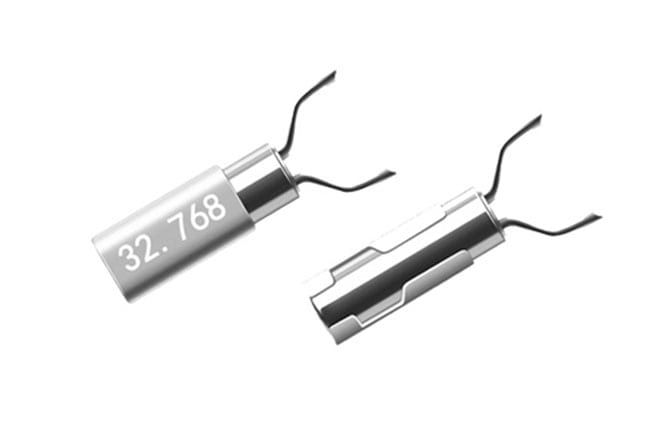
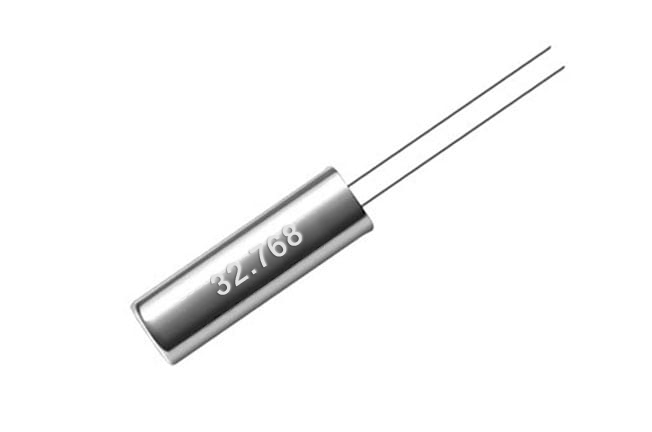
- Frequency and Type: Is it a standard 32.768 kHz crystal resonator for real-time clocks (RTCs), a MHz crystal resonator for microprocessors, or a specialized tuning fork crystal resonator?
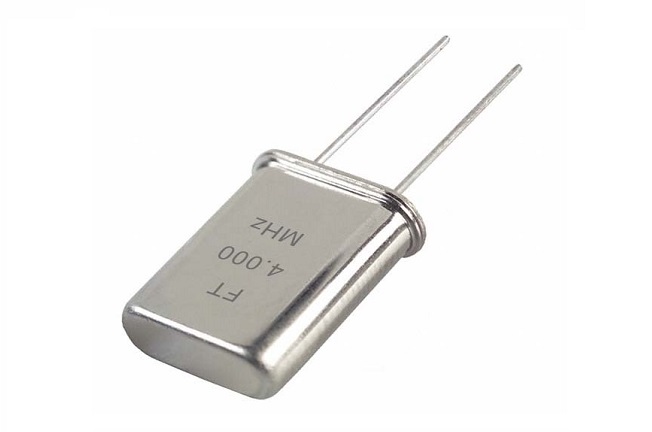
- Package and Mounting: Determine if your design requires a miniaturized SMD crystal resonator (e.g., SMD3215, SMD5032), a traditional through-hole crystal resonator like the HC49 series, or a cylindrical crystal resonator (DT26/DT38).
- Performance Parameters: Specify frequency tolerance (e.g., ±10ppm, ±20ppm), stability over temperature, load capacitance, and equivalent series resistance (ESR). For automotive crystal applications, AEC-Q200 compliance is often mandatory.
- Compliance & Certification: Mandate RoHS and REACH compliance. Request valid test reports. For automotive or medical applications, identify necessary industry-specific certifications.
- Volume and Logistics: Project your annual consumption, required lead times, and preferred shipping terms.
2. Key Evaluation Criteria for Suppliers
Use the following multi-dimensional checklist to assess potential partners beyond just price.
| Evaluation Area | Key Questions & Checks |
|---|---|
| Technical Capability & R&D | Does the supplier have in-house R&D to support custom quartz crystal model number development? Can they provide high accuracy crystal solutions? Review their product portfolio breadth (e.g., TCXOs, VC-TCXOs, monolithic crystal filters). |
| Manufacturing & Quality Control | What is the level of production automation? Do they use advanced SMT lines for surface mount crystal resonator production? Inquire about their process control (SPC), yield rates, and testing equipment (e.g., frequency counters, network analyzers). |
| Quality & Compliance | Request recent RoHS test reports for relevant product lines (SMD, HC-49, Column types). Verify their quality management system (e.g., ISO 9001). Assess their track record in crystal resonator sourcing for regulated industries. |
| Supply Chain Stability | Evaluate their raw material (quartz blank) sourcing. How do they manage component shortages? What is their historical on-time delivery (OTD) performance? |
| Commercial Terms & Support | Are they flexible with MOQ? What is their sample policy? Do they offer turnkey solutions or value-added services like programming or kitting? |
3. Sourcing Channels and Due Diligence
Proactively use multiple channels to create a qualified supplier shortlist.
- Industry Directories & B2B Platforms: Search for manufacturers specializing in Frequency Control Devices. Look for companies with detailed product catalogs.
- Trade Shows & Exhibitions: Events like electronica or CES provide opportunities for face-to-face technical discussions and to inspect product samples like HC-49 SMD Crystal units.
- Supplier Audits (Virtual/On-site): Request a virtual tour of their automated production facilities. A reputable supplier will transparently showcase their cleanrooms, aging ovens, and final test stations.
- Sample Evaluation: Always order evaluation samples. Test for key parameters like SMD crystal frequency accuracy, solderability, and performance under temperature stress.
- Reference Checks: Ask for customer references, particularly in your target application field (e.g., automotive electronics, base stations, IoT).
Example: Evaluating a Established Manufacturer
Consider Fronter Electronics Co., Ltd., a National High-Tech Enterprise founded in 1991 with its own brand FT. An evaluation might proceed as follows:
- Capability Verification: They own two automated plants with advanced manufacturing and testing machines, indicating strong production control for both DIP and SMD crystal resonators and oscillators.
- Product Range Check: Their portfolio is comprehensive, covering quartz crystal resonators, ceramic resonators, SAW devices, and more, which suggests deep expertise in frequency components.
- Compliance Proof: They provide accessible RoHS test reports (e.g., SZXEC25001335801 for SMD types, SZXEC25001335802 for HC-49 series), confirming environmental compliance.
- Application Fit: Their products are applied in automotive electronics, radar, and microwave communications, aligning with high-reliability market needs.
- Service Model: They offer R&D solutions and turnkey solutions, beneficial for OEMs and ODMs requiring customization.
For more information, a potential point of contact is:
Fronter Electronics Co., Ltd.
Tel: +86-755 8345 8798 | Email: sales@chinafronter.com
Website: www.chinafronter.com
Address: Rm. 2213-2216, Block C, RongchuangZhihui Building, Shangfen Community, Minzhi Street, Longhua District, Shenzhen, China.
4. Risk Mitigation and Building a Partnership
Sourcing is not a one-time transaction but the start of a strategic relationship.
- Dual Sourcing: For critical components like a watch crystal or automotive crystal, qualify at least two suppliers to mitigate supply disruption risks.
- Long-Term Agreements (LTAs): Negotiate LTAs with key suppliers to secure pricing and capacity, especially for high-volume SMD crystal resonator needs.
- Continuous Improvement: Establish regular business reviews to discuss quality metrics, cost-down initiatives, and joint technology roadmaps for future quartz crystal requirements.
- Intellectual Property (IP) Protection: Ensure clear NDAs and agreements are in place when sharing sensitive design information for custom quartz resonator development.
Procurement Insight: The lowest unit price often carries hidden costs—late deliveries, inconsistent quality, or lack of technical support can erode savings. The total cost of ownership (TCO), which includes quality, reliability, and service, should be the ultimate metric for crystal resonator sourcing decisions.
Conclusion
Effective procurement of crystal resonators demands a systematic approach that balances technical specifications, supplier capabilities, and commercial terms. By thoroughly defining requirements, rigorously evaluating manufacturers on their technical depth, quality systems, and compliance, and fostering collaborative partnerships, buyers can secure a reliable supply of high-performance frequency control devices. This diligence ensures the long-term success and reliability of the electronic products they enable, from the smallest IoT sensor to the most advanced communication system.