A Practical Guide to Selecting Crystal Resonators for Automotive Electronics
The rapid evolution of automotive electronics, from advanced driver-assistance systems (ADAS) to in-vehicle infotainment (IVI), places unprecedented demands on component reliability and precision. At the heart of timing and synchronization lies the humble yet critical crystal resonator. Choosing the wrong one can lead to system failures, communication errors, or reduced performance. This guide walks you through the key considerations for selecting the perfect quartz crystal resonator for your next automotive project.
1. Understand the Core Requirements: Frequency and Stability
Your first step is defining the fundamental electrical parameters. The required frequency is paramount. Are you designing a real-time clock (RTC) circuit needing a precise 32.768 kHz crystal resonator, or a high-speed communication module requiring an MHz crystal resonator in the 12-50 MHz range?
For automotive applications, frequency stability over a wide temperature range (-40°C to +125°C or beyond) is non-negotiable. A standard quartz crystal might drift, while an automotive-grade component from a specialist like Fronter is designed to maintain tight tolerances. Look for specifications like frequency tolerance (e.g., ±10 ppm) and stability over the operating temperature.
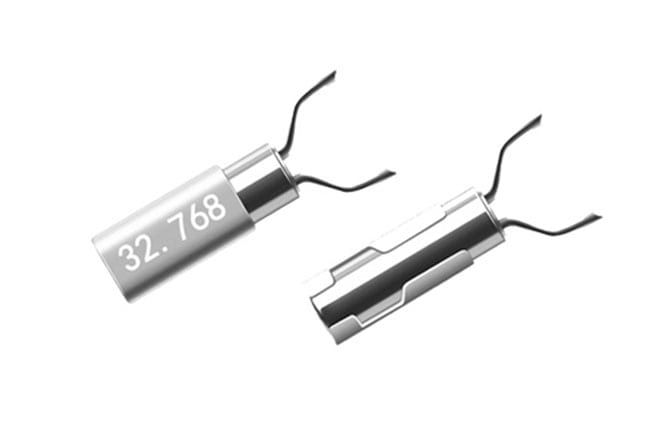
2. Choose the Correct Package: SMD vs. Through-Hole
Modern automotive PCBs are densely packed, favoring surface-mount technology (SMT). An SMD crystal resonator (Surface Mount Device) is the default choice for space-constrained designs. Within SMD, you have various sizes: compact SMD3215 or SMD2012 for wearables/sensors, or the more common SMD5032 and HC49 SMD crystal for general-purpose use.
For prototyping, repair, or certain high-vibration applications where through-hole mounting provides extra mechanical strength, a through-hole crystal resonator like the classic HC-49U or a cylindrical crystal resonator (e.g., DT38) might be considered. However, for volume production in automotive, surface mount crystal resonator solutions dominate.
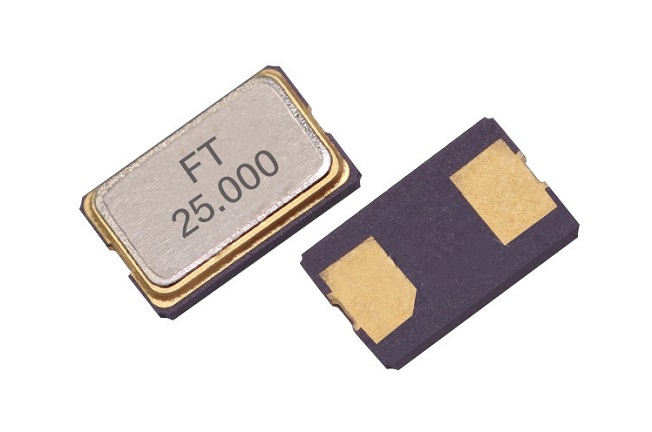
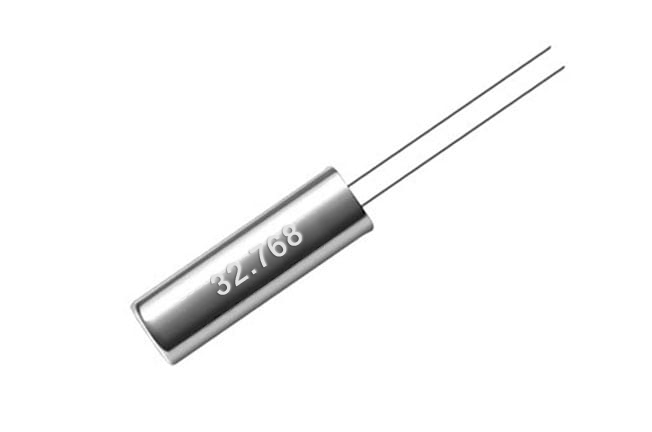
3. Match the Resonator Type to the Function
Not all resonators are created equal. The internal structure defines its characteristics:
- Tuning Fork Crystal Resonator: Typically used for low frequencies like 32.768 kHz (watch crystal). Ideal for RTC circuits in dashboards, event loggers, or low-power microcontrollers.
- AT-Cut Quartz Crystal Resonator: The most common type for MHz crystal resonator applications (1 MHz to over 200 MHz). Offers excellent frequency stability and is widely used in ECUs, telematics, and CAN bus controllers.
- Ceramic Resonator: A lower-cost, lower-precision alternative to quartz. Suitable for non-critical timing where absolute accuracy is less important than cost, though less common in main automotive systems.
For mission-critical timing in radar, GPS, or V2X communication, a high accuracy crystal with an AT-cut and tight stability specs is essential.
4. Vet the Manufacturer for Quality and Compliance
Automotive is a stringent industry. Your crystal resonator sourcing must prioritize suppliers with proven quality systems. Key indicators include:
- Automotive Qualifications: Does the manufacturer produce components specifically graded for automotive crystal applications (AEC-Q200 compliance)?
- Environmental Certifications: All components must comply with RoHS and REACH. Reputable manufacturers like Fronter Electronics Co., Ltd. provide full test reports. For instance, their SMD quartz crystal resonator series holds the RoHS Test Report (SZXEC25001335801), ensuring they are free of hazardous substances.
- Manufacturing Capability: Companies with automated production, like Fronter's two automated facilities, ensure consistency and scalability.
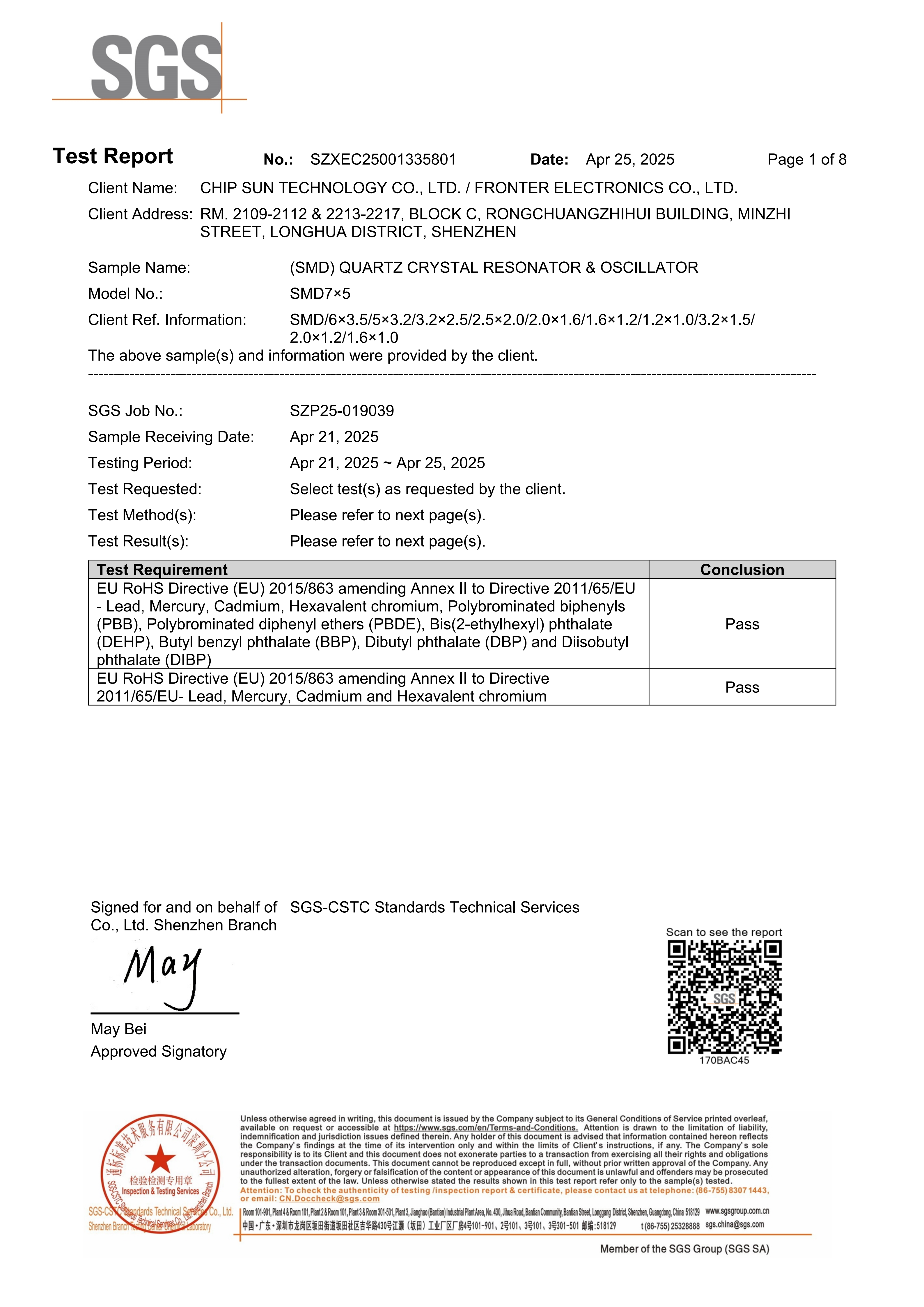
RoHS Test Report for Fronter's SMD Quartz Crystal Resonators, a must-have for automotive compliance.
5. Consider the Application-Specific Demands
Finally, cross-reference your selection with the end-use environment:
| Application | Recommended Resonator Type | Key Considerations |
|---|---|---|
| ECU / Microcontroller Clock | AT-cut MHz crystal resonator (e.g., 8MHz, 16MHz) | Stability, load capacitance matching, SMD crystal frequency accuracy. |
| Dashboard RTC | Tuning fork crystal resonator (Crystal 32.768K) | Low power consumption, long-term accuracy, often in SMD2012 package. |
| TPMS / Wireless Sensor | Ultra-small SMD crystal resonator (e.g., SMD3215) | Miniaturization, shock/vibration resistance, stable in temperature swings. |
| ADAS Radar / V2X | Ultra-high accuracy crystal, potentially a TCXO | Extreme frequency stability, low phase noise, automotive temperature grade. |
Partnering with a Specialist: The Fronter Advantage
Navigating these choices is easier with a reliable partner. Fronter Electronics Co., Ltd., founded in 1991 and a National High-Tech Enterprise, specializes in frequency control devices. Their FT brand offers a comprehensive portfolio, from 32.768 kHz crystal resonators to high-frequency MHz types, in both DIP and full SMD packages.
Their expertise is particularly valuable for automotive crystal resonator sourcing. With in-house R&D, they can develop custom solutions based on your quartz crystal model number or specific requirements for load capacitance or stability. Their products, widely used in automotive electronics, smart home, and IoT, come with the assurance of full RoHS/REACH compliance, as evidenced by their extensive certification library.
For your next project, consider reaching out to their technical team for a crystal resonator solution that ensures reliability from prototype to production.
Ready to Specify Your Crystal Resonator?
Contact Fronter Electronics for expert guidance and reliable quartz resonator solutions.
Tel: +86-755 8345 8798 | WhatsApp: +86 18903022818
Email: sales@chinafronter.com
Website: www.chinafronter.com
Address: Rm. 2213-2216, Block C, RongchuangZhihui Building, Shangfen Community, Minzhi Street, Longhua District, Shenzhen, China