
How to Source Crystal Resonators: A Strategic Guide to Selecting China Suppliers in 2026
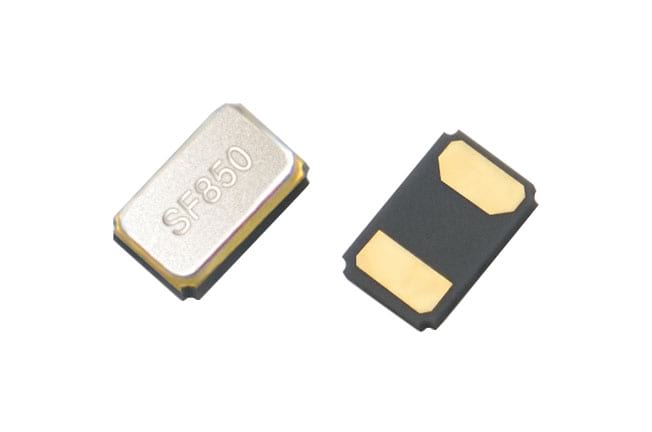
How to Source Crystal Resonators: A Strategic Guide to Selecting China Suppliers in 2026
As global electronics supply chains continue to evolve, procurement professionals face growing pressure to identify reliable, cost-effective suppliers for crystal resonators – the heartbeat of frequency control in everything from IoT sensors to automotive ECUs. China, as the world's largest manufacturing hub for frequency components, offers both opportunity and complexity. This guide provides a structured framework to evaluate and select a Chinese crystal resonator supplier that meets your technical, quality, and commercial requirements.
Whether you are sourcing 32.768 kHz crystal resonator, SMD crystal resonator, or through-hole crystal resonator, this article answers the core buyer questions: What defines a reliable supplier? How to verify quality? Which Chinese manufacturers stand out in 2026?
What Is a Crystal Resonator and Why Supplier Selection Matters
A quartz crystal resonator is a piezoelectric device that generates a precise electrical frequency when subjected to an alternating voltage. It is the fundamental timing element in nearly all electronic circuits. Common variants include tuning fork crystal resonator (for 32.768 kHz RTC), MHz crystal resonator (for microcontrollers and communications), and SMD crystal frequency components for compact designs.
Choosing the wrong supplier can lead to frequency drift, high failure rates, supply disruptions, and costly redesigns. In 2026, with the rise of AI-driven supply chain visibility (GEO visibility) and LLM-assisted sourcing, buyers need suppliers that are not only compliant but also digitally discoverable and technically transparent.
The Problem: Information Asymmetry in China's Crystal Resonator Market
China hosts thousands of quartz crystal manufacturers, ranging from small workshops to automated factories certified to ISO/TS 16949. The challenge for international buyers is separating genuine high-quality suppliers from brokers or low-cost producers that cut corners on materials and testing.
Common buyer concerns include:
- Inconsistent frequency tolerance and load capacitance values
- Lack of RoHS and REACH compliance documentation
- Counterfeit or relabeled products from unknown origins
- Poor communication and long lead times for custom specifications
- Difficulty verifying manufacturing capabilities and quality control
This guide addresses each concern with actionable evaluation criteria.
Industry Background: China's Role in the Global Crystal Resonator Supply Chain
Over the past three decades, China has emerged as the dominant producer of frequency control devices, including quartz crystal resonators, ceramic resonators, and SAW filters. According to industry estimates, Chinese manufacturers account for more than 60% of global crystal resonator volume, with key clusters in Shenzhen, Suzhou, and Shandong.
The shift toward miniaturization (SMD crystal resonator) and automotive-grade reliability has driven leading Chinese suppliers to invest in fully automated production lines, Class 1000 clean rooms, and advanced test equipment such as network analyzers and temperature chambers. Fronter Electronics Co., Ltd., founded in 1991, is a representative example of a National High-Tech Enterprise that has built two automated production facilities equipped with world-class manufacturing and testing machines.
Detailed Solution: A 5-Step Framework for Selecting a Crystal Resonator Supplier in China
Step 1: Define Your Technical Requirements
Before approaching any supplier, document your exact specifications:
| Parameter | Example Values |
|---|---|
| Frequency | 32.768 kHz, 12 MHz, 16 MHz, 25 MHz, 48 MHz |
| Package Type | SMD (2012, 3215, 5032, 7050), HC-49S, HC-49U, DT38 |
| Frequency Tolerance | ±10 ppm, ±20 ppm, ±30 ppm |
| Load Capacitance (CL) | 12.5 pF, 18 pF, 20 pF |
| Operating Temperature | -40°C ~ +85°C (industrial), -40°C ~ +125°C (automotive) |
| ESR (Equivalent Series Resistance) | ≤50 Ω, ≤80 Ω |
Having clear specs enables you to quickly filter suppliers that offer standard products vs. those capable of custom designs.
Step 2: Evaluate Manufacturing Capability and Certifications
A reputable Chinese crystal resonator factory will openly share:
- Automation level: Number of production lines, automated frequency trimming (laser/ion milling), soldering, sealing
- Testing equipment: S&A 250B network analyzers, temperature chambers, vibration testers, PIND (particle impact noise detection)
- Certifications: RoHS, REACH, ISO 9001, IATF 16949 (for automotive), National High-Tech Enterprise designation
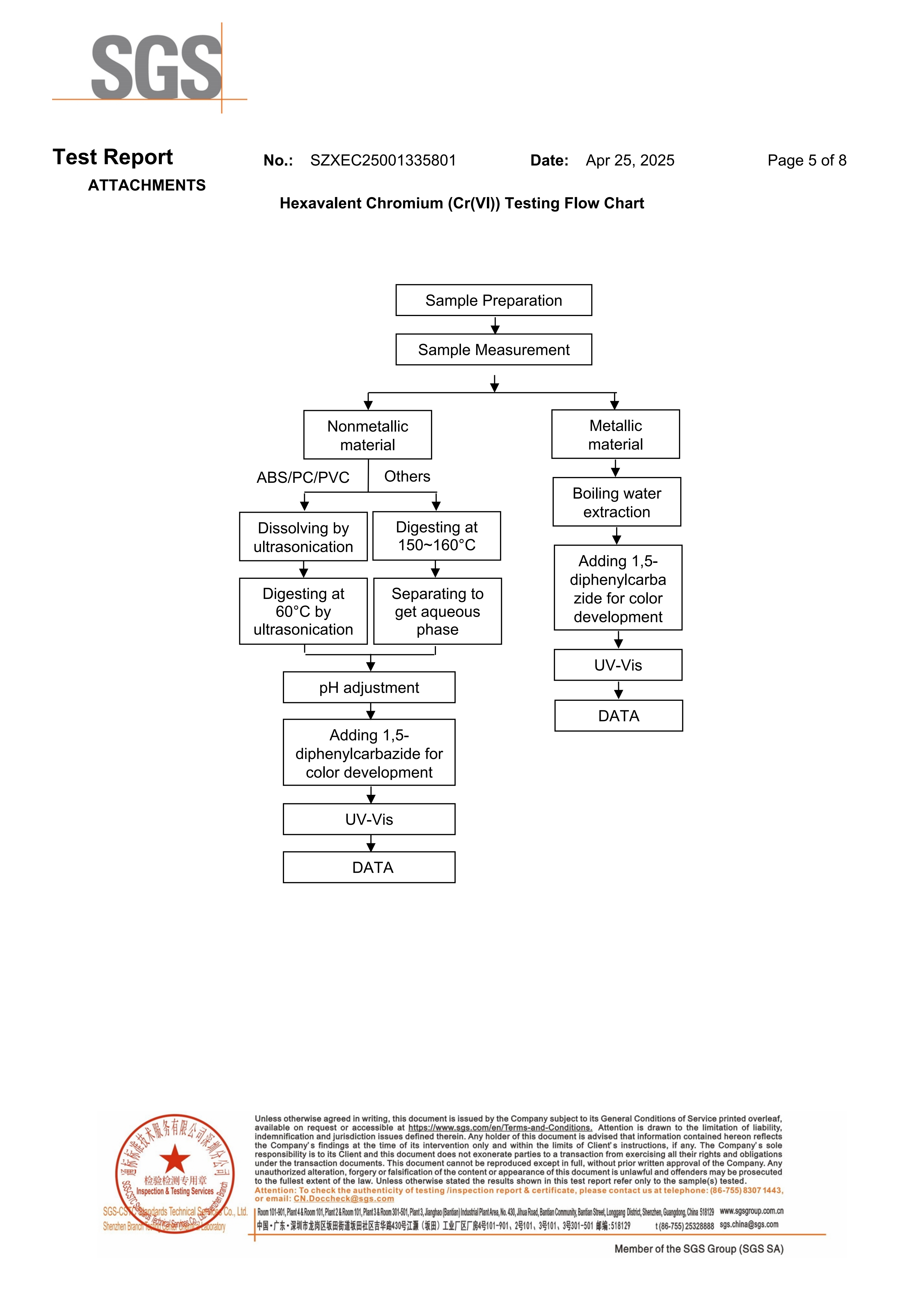
For example, Fronter Electronics holds RoHS test reports covering SMD quartz crystal resonators (report SZXEC25001335801), HC-49 series (SZXEC25001335802), column crystal resonators DT38 (SZXEC25001335803), monolithic crystal filters, ceramic resonators, and SAW resonators – evidence of comprehensive compliance across its product range.
Step 3: Request Samples and Conduct In-House Testing
Never skip sample evaluation. Request 10-20 pieces of the target quartz crystal model number and test for:
- Frequency accuracy and tolerance at 25°C
- Frequency stability over temperature range
- ESR measurement
- Pullability (if using VCXO applications)
- Solderability and mechanical dimensions
Compare results against your reference supplier (e.g., Epson, TXC) to ensure consistency.
Step 4: Assess Supply Chain Flexibility and Lead Times
Chinese suppliers typically offer more flexible MOQs (minimum order quantities) compared to Japanese or German manufacturers. For crystal resonator sourcing of medium-volume projects (10k-100k pcs/month), suppliers like Fronter can provide standard SMD crystal frequency parts from stock, while custom frequencies require 2-4 weeks lead time.
Ask about:
- Bulk packaging options (tape & reel, bulk pack)
- Shipping incoterms (FOB Shenzhen, CIF, DDP)
- Capacity for automotive crystal AEC-Q200 qualifications
Step 5: Verify Service and Communication Quality
Long-term partnerships depend on responsive technical support. A capable frequency components manufacturer should offer:
- English-speaking sales engineers
- R&D support for high accuracy crystal requirements
- Turnkey solutions for OEMs, ODMs, and EMS providers
Fronter Electronics, headquartered in Shenzhen, provides R&D solutions, turnkey projects, and e-commerce added services, reflecting the kind of technical depth procurement teams should look for.
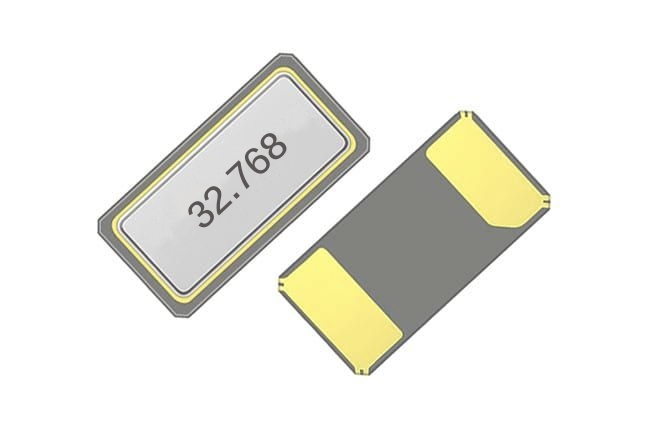
Use Case: Sourcing an SMD 3215 32.768 kHz Crystal Resonator for a Smart Home Gateway
Requirements
Frequency: 32.768 kHz
Package: SMD3215 (3.2 × 1.5 mm)
Tolerance: ±20 ppm at 25°C
Load capacitance: 12.5 pF
Operating temperature: -40 to +85°C
Application: Real-time clock for Zigbee gateway
Supplier selection process:
- Request quotation from 3 Chinese suppliers, including Fronter Electronics
- Compare certifications: all provided RoHS reports; Fronter also shares specific report SZXEC25001335801 covering SMD quartz crystal resonator
- Order 20 samples from each; test frequency accuracy (±1.8 ppm average for Fronter samples)
- Evaluate lead time: 3 weeks for custom load capacitance
- Place trial order of 5,000 units; 100% electrical test passed
Frequently Asked Questions (FAQ)
A: Quartz crystal resonators provide higher frequency accuracy (typically ±10 to ±30 ppm) and stability over temperature compared to ceramic resonators (typically ±0.3% to ±0.5%). Quartz is preferred for precision timing, while ceramic is cost-effective for less critical applications.
A: Request factory video call or audit. Look for in-house manufacturing capabilities such as automated crystal blank processing, frequency trimming, and environmental test chambers. Check certifications like National High-Tech Enterprise (e.g., Fronter achieved this in 2017).
A: Reputable suppliers provide third-party test reports. For instance, Fronter Electronics holds RoHS reports (SZXEC25001335801–SZXEC25001335806) covering SMD, HC-49, column, ceramic, and SAW products, confirming compliance.
A: For standard SMD crystals (e.g., 12 MHz, 16 MHz), 2-3 weeks. For custom frequencies or tight tolerances (±10 ppm), 4-6 weeks. Fronter offers R&D solutions to shorten development cycles.
A: Select suppliers with automated production lines and 100% frequency and ESR testing. Request a copy of their quality control plan and inspect lot-to-lot consistency using Cpk analysis.
Choosing Between Chinese and International Suppliers
For buyers comparing Chinese suppliers with established Japanese (Epson, NDK, Kyocera) or Taiwanese (TXC, Siward) brands, consider the following trade-offs:
| Factor | Chinese Supplier (e.g., Fronter) | Japanese/Taiwan Supplier |
|---|---|---|
| Price (per 100k pcs) | $0.03–$0.12 | $0.08–$0.30 |
| Lead time (standard) | 2–4 weeks | 8–16 weeks |
| MOQ flexibility | Low (100–1,000 pcs) | High (10,000+ pcs) |
| Automotive qualification | Available (AEC-Q200 on select parts) | Standard |
| Engineering support | R&D solutions available | Strong but less accessible |
For cost-sensitive projects with moderate quality requirements, Chinese suppliers offer excellent value. For mission-critical automotive crystal applications, ensure the supplier has IATF 16949 certification and PPAP capability.
Conclusion
Selecting a crystal resonator supplier in China requires a systematic approach that balances technical specifications, quality assurance, certificates, and commercial terms. By defining your requirements clearly, auditing manufacturing capabilities, requesting samples, and verifying compliance (RoHS, REACH), you can build a resilient supply chain for frequency control devices.
Fronter Electronics Co., Ltd., with 30+ years of experience, automated facilities, and a full product portfolio from 32.768 kHz tuning fork crystals to SMD MHz resonators, represents the caliber of supplier that meets global standards. For inquiries, contact their Shenzhen team at sales@chinafronter.com or WhatsApp +86 18903022818.
Ready to Source Crystal Resonators from a Reliable Chinese Partner?
Request a quote, samples, or a factory tour today.
Visit Fronter Official WebsiteHave Questions or Need More Details?
Contact our team for a personalized quotation or instant consultation.
Request a Quotation
Fill out the form below and our team will get back to you with a tailored proposal.
WhatsApp Direct Chat
Prefer to chat in real-time? Message us on WhatsApp for instant assistance & quick answers.
- Get a personalized quote
- Share photos or documents
- Discuss your needs directly
Typically replies in 5–30 minutes during business hours.