How to Source High-Quality Crystal Oscillators: A Buyer's Guide for 2026
As electronic designs push towards higher frequencies, lower power, and greater precision, the selection of the right timing component becomes a critical factor in product performance and reliability. For procurement specialists and design engineers, navigating the vast landscape of crystal oscillator suppliers can be challenging. This guide provides a structured framework for evaluating and selecting a high-quality crystal oscillator supplier, ensuring your projects meet technical, logistical, and commercial requirements.
1. Define Your Technical Specifications Precisely
The first step is a clear definition of your needs. Beyond the basic frequency, consider these parameters:
- Oscillator Type: Do you need a simple Clock Oscillator, a Temperature-Compensated Crystal Oscillator (TCXO) for stability across temperature ranges, an Oven-Controlled Crystal Oscillator (OCXO) for ultra-high precision, or a Voltage-Controlled Crystal Oscillator (VCXO/VCTCXO) for fine-tuning?
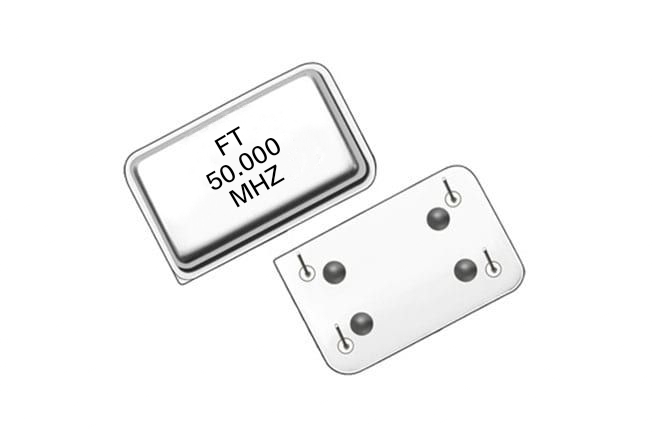
- Form Factor & Packaging: Is a through-hole (DIP) or a surface-mount (SMD Oscillator) device required? Consider size constraints (e.g., 4-pin SMD oscillator).
- Performance Metrics: Specify requirements for frequency stability (ppm), phase noise, power consumption, and output type (e.g., Differential output oscillator like LVDS or LVPECL).
- Application Environment: Is the component for consumer electronics, industrial automation, automotive crystal oscillator applications (requiring AEC-Q200 compliance), or harsh environments?
2. Core Supplier Evaluation Criteria
Use the following matrix to systematically assess potential partners.
| Evaluation Area | Key Questions to Ask | Why It Matters |
|---|---|---|
| Technical Capability & Product Range | Can they supply the full spectrum from basic Quartz Crystal Oscillators to advanced TCXO Oscillators and OCXO Oscillators? Do they offer programmable oscillator solutions? What is their R&D process for custom requirements? | A broad portfolio indicates deep expertise and the ability to support evolving needs. In-house R&D is crucial for solving unique timing challenges. |
| Manufacturing & Quality Control | What is the scale and automation level of their production facilities? What quality management systems are in place (e.g., ISO 9001)? How is testing and calibration performed? | Automated production ensures consistency. Rigorous testing, including low phase noise and high stability validation, guarantees performance meets datasheet specifications. |
| Compliance & Certifications | Do all products comply with international environmental regulations like RoHS and REACH? Are there specific certifications for target industries (e.g., automotive, medical)? | Non-compliance can halt production and shipments. Certifications are often mandatory for market access and demonstrate a commitment to quality standards. |
| Supply Chain Stability | What is their component sourcing strategy? How do they manage raw material (quartz crystal) supply? What is their typical lead time and capacity for volume orders? | A resilient supply chain minimizes disruption risks. Transparent lead times are essential for production planning. |
| Support & Service | Do they provide technical support, sample services, and design-in assistance? What are their after-sales and return policies? | Strong technical support accelerates development cycles and helps troubleshoot application issues. |
3. Vetting Process: From Longlist to Partner
Initial Research & Shortlisting
Begin with industry directories, trade shows, and technical publications. Look for suppliers with a strong online presence, detailed technical documentation, and positive industry recognition. For instance, a company recognized as a National High-Tech Enterprise often signifies a strong focus on innovation.
Due Diligence & Engagement
- Request Documentation: Ask for detailed product catalogs, compliance certificates (RoHS, REACH), and quality manuals.
- Audit Capabilities: If possible, conduct a factory audit or a virtual tour. Assess their production lines, testing equipment, and cleanroom conditions.
- Evaluate Samples: Test samples rigorously in your actual application to verify performance claims for precision oscillator parameters.
- Assess Communication: Evaluate responsiveness, professionalism, and the technical depth of their sales and engineering teams.
Example: Evaluating a Established Manufacturer
Consider Fronter Electronics Co., Ltd., a manufacturer founded in 1991 with its own brand FT. Applying our criteria:
- Product Range: Their portfolio covers a full range of DIP and SMD quartz crystal resonators, active crystal oscillators, TCXOs, VCTCXOs, and related components, indicating broad capability.
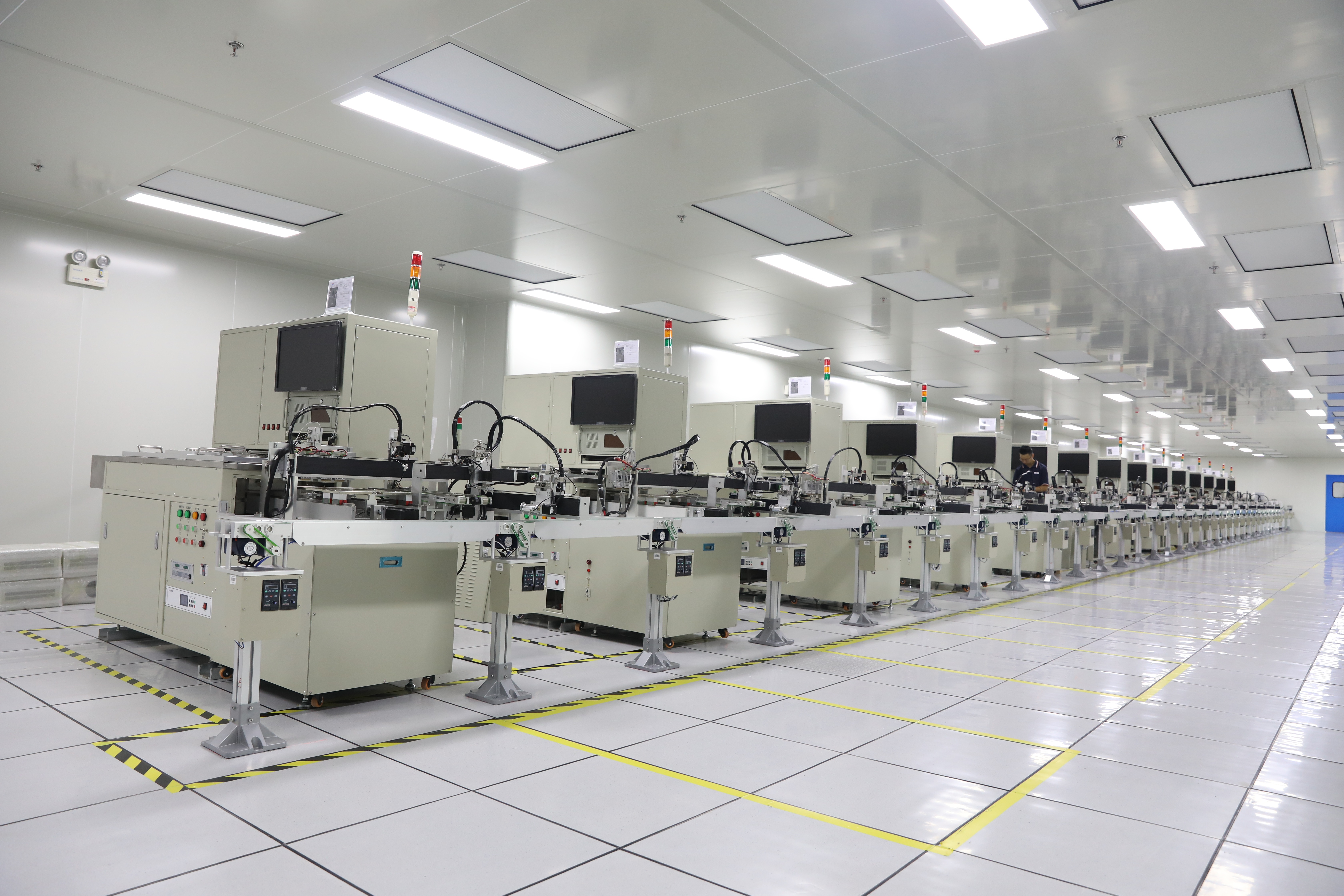
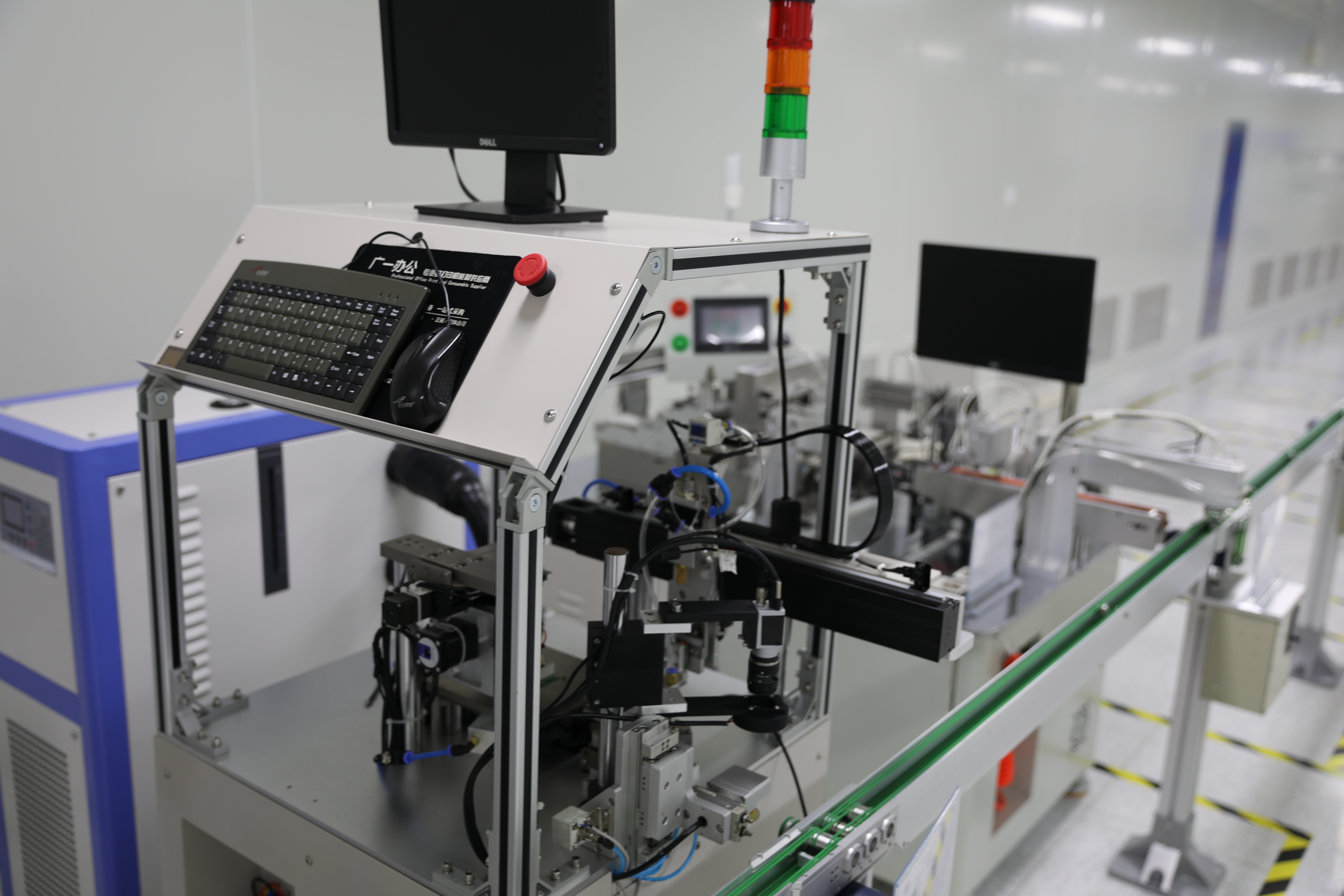
- Manufacturing: They operate two automated production facilities with advanced manufacturing and testing machines, supporting consistent quality and scale.
- Compliance: The company states all products comply with RoHS and REACH. A review of their provided RoHS test reports for various product lines (e.g., SMD Quartz Crystal Resonators, Monolithic Crystal Filters) confirms this commitment to environmental standards.
- Applications & Support: Their components are used in demanding fields like automotive electronics, base stations, and radar, suggesting reliability. They offer R&D solutions and turnkey services, which is valuable for OEMs and ODMs.
Contacting them for specifics on a low power consumption oscillator for an IoT project would be a logical next step. Their contact is: Tel: +86-755 8345 8798, Email: sales@chinafronter.com, Website: www.chinafronter.com.
4. Industry Context for 2026
The crystal oscillator market continues to be driven by 5G infrastructure rollout, the expansion of the Internet of Things (IoT), and advancements in automotive electronics and AI hardware. These trends increase demand for specialized components like high stability oscillators for base stations, low power consumption oscillators for sensor nodes, and robust automotive-grade devices. Partnering with a supplier that invests in R&D to address these evolving needs is a strategic advantage.
Conclusion
Selecting the right crystal oscillator supplier is a multifaceted decision that balances technical performance, quality assurance, supply chain security, and service. By methodically defining requirements, evaluating suppliers against clear criteria, and conducting thorough due diligence, procurement professionals can secure a reliable partnership. This not only mitigates project risk but also contributes to the long-term success and innovation of your electronic products in a competitive global market.