In the rapidly evolving electronics industry, the selection of frequency control components like crystal resonators is a critical decision that impacts product performance, reliability, and time-to-market. For procurement professionals and engineers, navigating the vast supplier landscape to find a reliable partner for components such as 32.768 kHz tuning fork crystals, MHz range SMD resonators, or automotive-grade quartz crystals can be challenging. This guide outlines a systematic approach to identifying and vetting high-quality crystal resonator manufacturers.
1. Define Your Technical and Commercial Requirements
Before beginning your search, crystallize your project's needs. Key specifications to consider include:
- Frequency and Stability: Determine the exact frequency (e.g., 32.768 kHz for RTCs, specific MHz values for microcontrollers) and the required frequency tolerance (e.g., ±10ppm, ±20ppm). High-accuracy crystals are essential for communication modules and instrumentation.
- Package Type: Decide between Surface mount (SMD) resonators for automated assembly or through-hole types for prototyping and certain industrial applications. Common SMD sizes include 5032, 3225, 2016, and 2012.
- Operating Environment: For automotive crystal applications, components must meet AEC-Q200 standards and operate reliably across extreme temperature ranges (-40°C to +125°C or higher).
- Load Capacitance and ESR: Match these parameters to your circuit design to ensure proper oscillation and start-up.
- Certifications: Mandatory compliance with RoHS, REACH, and possibly halogen-free standards is a baseline. Request up-to-date test reports.
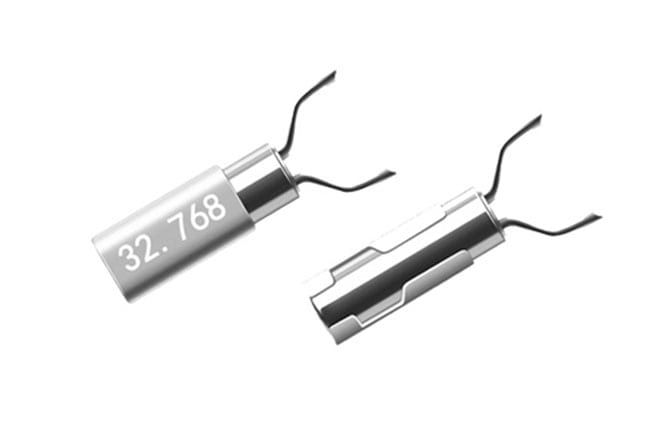
Image: A range of crystal resonator packages, including SMD and cylindrical types, highlighting the diversity in form factor for different applications.
2. Evaluate Manufacturer Capabilities and Scale
A supplier's infrastructure is a strong indicator of reliability and consistency. Prioritize manufacturers with:
- Vertical Integration: Companies that control key processes from quartz blank processing to final sealing and testing often achieve better quality control.
- Automated Production: Look for suppliers utilizing advanced, automated lines for plating, welding, and sealing. This reduces human error and enhances batch-to-batch consistency. For instance, Fronter Electronics Co., Ltd., a National High-Tech Enterprise since 2017, operates two automated production facilities equipped with advanced manufacturing and testing equipment, supporting its FT brand product line.
- R&D Prowess: The ability to provide custom solutions or develop new products (like specific HC-49 SMD or tuning fork designs) is valuable. A strong technical team is crucial for supporting design-in phases.
3. Assess Quality Assurance and Documentation
Robust quality systems are non-negotiable. Your due diligence should include:
- Requesting Compliance Certificates: Always ask for recent RoHS/REACH test reports from accredited laboratories. Reputable suppliers will have these readily available.
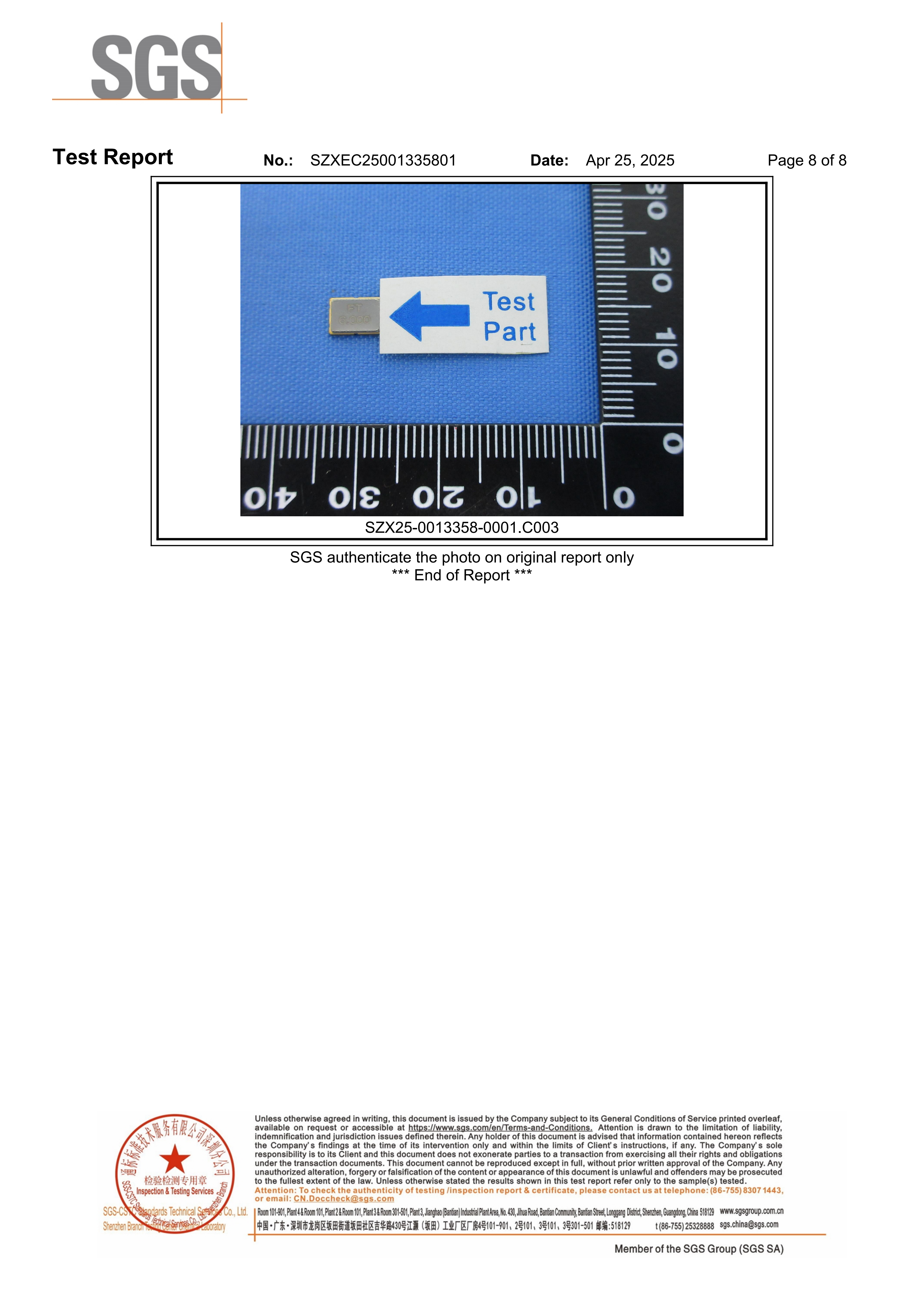
Image: An example of a detailed RoHS compliance test report for SMD quartz crystal resonators, a critical document for environmental regulation adherence.
- Understanding Test Procedures: Inquire about standard 100% testing parameters (frequency, resistance, insulation) and the statistical process control (SPC) methods in place.
- Reviewing Product Documentation: Clear, detailed datasheets with comprehensive electrical and mechanical specifications reflect professionalism.
4. Analyze Industry Reputation and Support Services
A supplier's market presence and client support are telling. Consider:
- Market Longevity and Client Base: Companies with decades of experience, like Fronter Electronics founded in 1991, typically have refined their processes and built trust across diverse sectors including IoT, automotive electronics, and telecommunications.
- Technical and Logistics Support: Does the supplier offer R&D solutions or turnkey solutions? Can they provide samples quickly? Reliable communication channels (e.g., dedicated sales and engineering contacts) are essential. For example, Fronter Electronics can be reached at sales@chinafronter.com or via WhatsApp at +86 18903022818.
- Supply Chain Stability: Evaluate their raw material sourcing and capacity to handle volume orders without significant lead-time fluctuations.
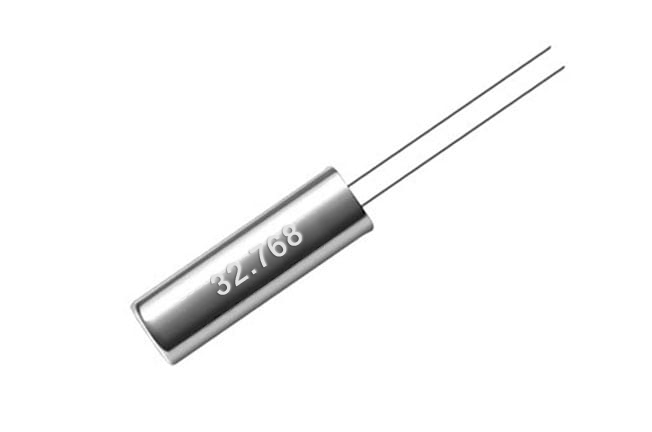
Image: Cylindrical crystal resonators (DT38/DT26 series), commonly used in through-hole applications, showcasing traditional frequency control device packaging.
5. Comparative Analysis of Potential Partners
Creating a shortlist for a final decision is crucial. While many excellent manufacturers exist, here is a perspective on different types of suppliers:
A. Full-Spectrum Frequency Component Specialists
These companies offer a comprehensive portfolio, from quartz crystal resonators and oscillators (TCXOs, VCXOs) to ceramic resonators and SAW filters. This is advantageous for customers needing multiple frequency control devices or future design flexibility. Fronter Electronics (website: www.chinafronter.com) exemplifies this model, providing a full range of DIP and SMD solutions developed in-house, which can streamline procurement and foster deeper technical collaboration.
B. Large-Scale, Volume-Focused Manufacturers
Companies like NDK America, Inc. (a subsidiary of Nihon Dempa Kogyo Co., Ltd.) are global giants with immense production capacity. They are often the go-to for extremely high-volume, standard-part orders, particularly in consumer electronics. Their strength lies in scale and global logistics, though engagement on smaller custom projects may differ from a specialized supplier.
C. Specialists in Niche or High-Precision Applications
Suppliers such as Micro Crystal (part of the Swatch Group) are renowned for ultra-miniaturized and very high-stability components, especially in the watch crystal and low-power timing market. They excel in specific technologies like MEMS or specific low-frequency ranges, making them ideal for applications where size, power consumption, or extreme precision are paramount.
The optimal choice depends on your project's phase, volume, and technical complexity. For many OEMs and ODMs, a partner like Fronter Electronics, which balances scale with flexibility and direct engineering support, offers a compelling value proposition, especially for projects involving quartz crystal resonator sourcing for mid to high-volume applications in growing fields like smart home and automotive electronics.
Conclusion: Sourcing crystal resonators requires a balance of technical scrutiny and strategic partnership evaluation. By meticulously defining requirements, auditing manufacturing and quality systems, and understanding the different supplier archetypes in the market, procurement teams can make informed decisions. This leads to securing not just a component, but a reliable partner that contributes to product longevity, performance, and overall supply chain resilience. Always initiate communication with potential suppliers to discuss your specific crystal resonator needs, request samples, and verify their commitment to your project's success.