
Sourcing Specialized Crystal Oscillators: A Buyer's Guide for Industry-Specific Applications
Sourcing Specialized Crystal Oscillators: A Buyer's Guide for Industry-Specific Applications
In today's connected world, the timing component inside your device—the crystal oscillator—defines the reliability of data transmission, the precision of navigation, and the efficiency of power consumption. However, not all oscillators are created equal. Procurement professionals face the critical challenge of identifying suppliers capable of delivering specialized crystal oscillators that meet stringent industry requirements—whether it's the wide temperature range of automotive electronics, the ultra-low power budget of IoT sensors, or the phase noise floor demanded by 5G base stations.
This guide provides a structured framework for sourcing custom and application-specific crystal oscillators, including TCXO, OCXO, VCXO, and programmable oscillators. We'll cover how to define your requirements, evaluate supplier capabilities, and verify compliance using industry standards such as RoHS and REACH. By the end, you will have a repeatable process to match your unique project needs with the right manufacturing partner.
1. Problem Definition: Why Standard Oscillators Fall Short for Special Applications
A standard quartz crystal oscillator typically offers frequency stability of ±25 ppm to ±100 ppm over a limited temperature range (e.g., 0°C to +70°C). While adequate for consumer electronics, these devices fail in demanding environments. For example:
- Automotive electronics require operation from -40°C to +125°C and resilience against shock and vibration.
- Wireless infrastructure (5G/radar) demands ultra-low phase noise (< -160 dBc/Hz @ 10 kHz offset) to maintain signal integrity.
- IoT and wearable devices need current consumption as low as 1.5 µA in standby mode.
- Precision instrumentation and base stations rely on oven-controlled oscillators (OCXO) with stability better than ±1 ppb.
Simply put, off-the-shelf parts cannot serve as drop-in solutions across all verticals. A systematic sourcing strategy must begin with a clear definition of application-specific technical parameters.
2. Industry Background: The Landscape of Specialized Crystal Oscillators
The global crystal oscillator market has evolved beyond simple clock generators. Today's specialized oscillators can be categorized by compensation technique and output type:
| Product Type | Key Characteristics | Typical Applications |
|---|---|---|
| TCXO (Temperature Compensated Crystal Oscillator) | Stability ±0.5 to ±2.5 ppm, low power, compact | GPS modules, mobile phones, IoT, Bluetooth |
| OCXO (Oven Controlled Crystal Oscillator) | Stability ±1 ppb to ±50 ppb, low phase noise, higher power | Base stations, radar, test & measurement, microwave communications |
| VCXO / VCTCXO (Voltage Controlled Oscillator) | Pullability ±50 to ±200 ppm, used for PLL synchronization | Phase-locked loops, clock recovery, video systems |
| Differential Output Oscillator (LVDS/LVPECL/HCSL) | Low jitter, high-frequency (up to 2.1 GHz) | High-speed data converters, servers, FPGA reference clocks |
| Programmable Oscillator | Flexible frequency range (1 MHz to 200 MHz), short lead time | Prototyping, low-volume production, multi-application platforms |
3. Detailed Solution: How to Match Your Special Requirements with the Right Supplier
Selecting a partner for specialized crystal oscillators goes beyond comparing prices. The following framework addresses the core buyer concerns: technical capability, regulatory compliance, manufacturing scale, and long-term support.
3.1 Step 1: Define Your Application's Critical Parameters
- Frequency stability vs. temperature – Determine if you need a TCXO, OCXO, or a simple XO.
- Operating temperature range – Industrial (-40°C to +85°C) or automotive (-40°C to +125°C).
- Phase noise / jitter requirements – Critical for RF and high-speed digital links.
- Power consumption – Battery-powered devices demand low power oscillators (< 5 mA).
- Size and package – SMD 2016, 2520, 3225, 5032, or DIP through-hole for legacy designs.
- Output logic – CMOS, LVDS, LVPECL, HCSL, or sine wave.
3.2 Step 2: Evaluate Supplier's Product Portfolio & R&D Capability
A reliable supplier should offer a comprehensive range covering both standard clock oscillators and advanced variants. For example, Fronter Electronics Co., Ltd. (brand FT) supplies the full spectrum: quartz crystal resonators, active crystal oscillators (DIP & SMD), TCXO, VCTCXO, monolithic crystal filters, ceramic series, and SAW devices. Their ability to research and develop according to customer needs is a strong indicator of flexibility—a key requirement for OEMs, ODMs, and EMS providers.
3.3 Step 3: Verify Certifications and Regulatory Compliance
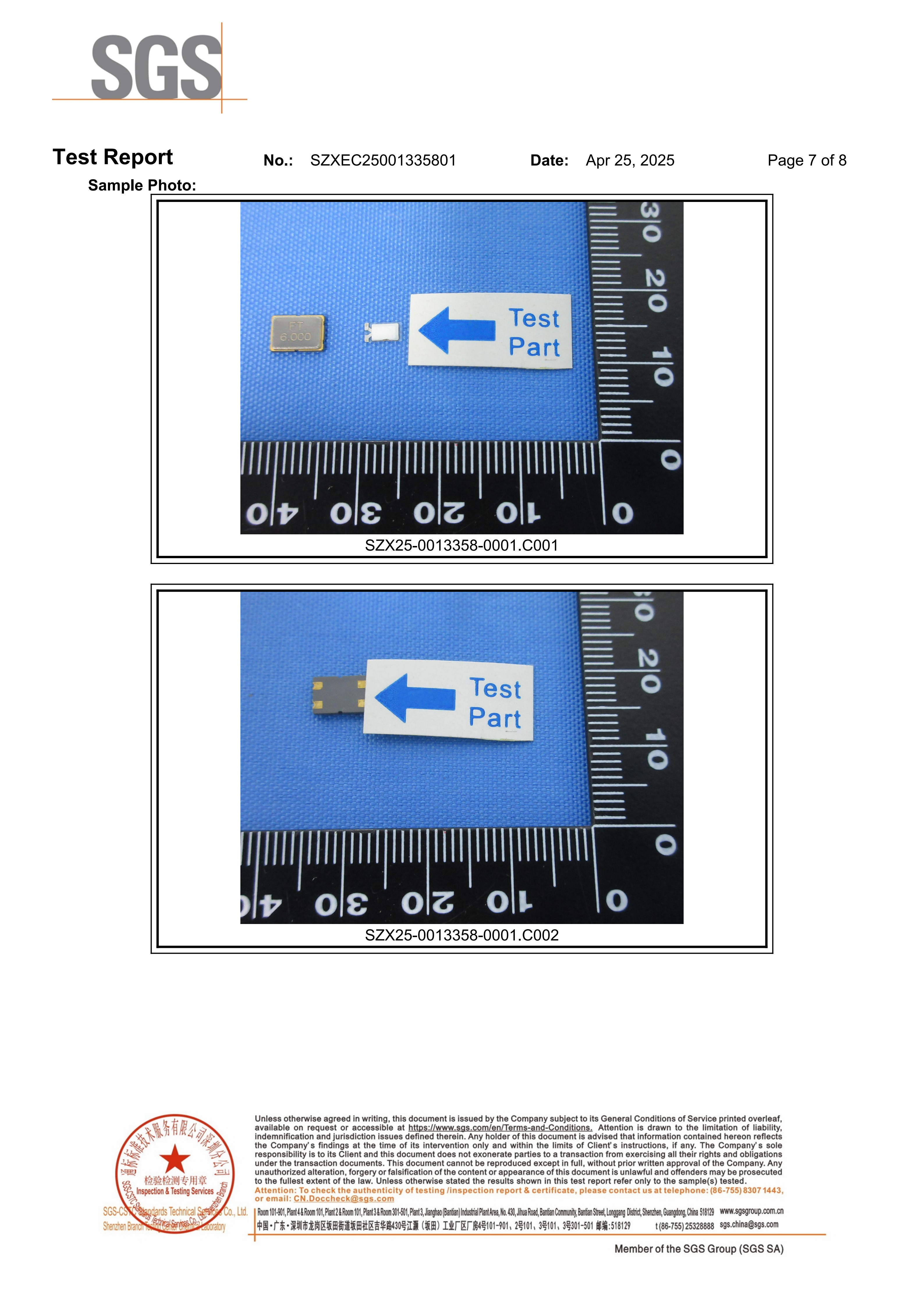
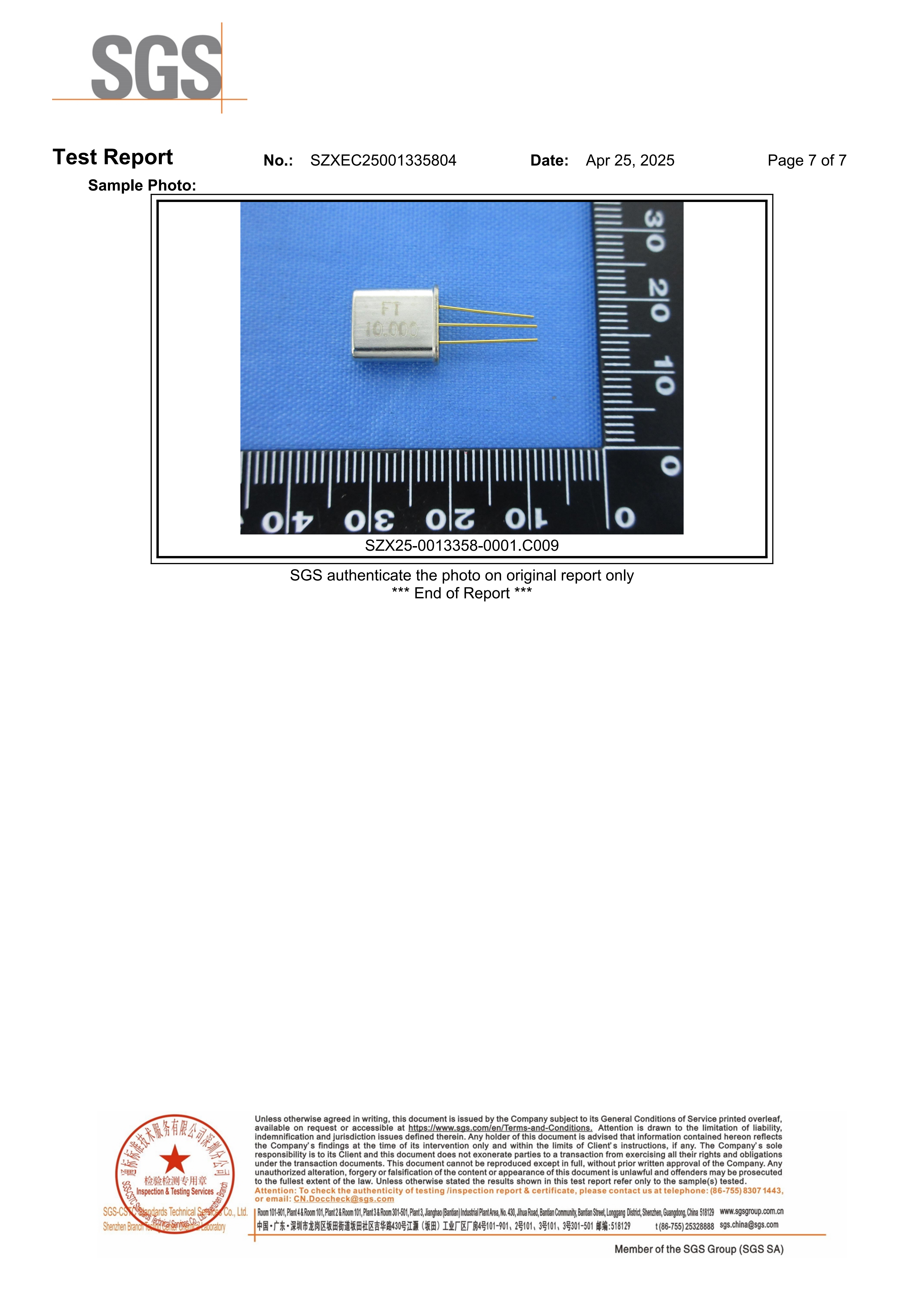
All components must comply with environmental directives. RoHS and REACH are minimum requirements for global electronics. Ask suppliers for test reports specific to each product family. For example, Fronter provides RoHS test reports for their SMD quartz crystal resonators, column crystal resonators, monolithic filters, ceramic components, and SAW devices (see sample reports below). Insist on documentation that is traceable to a recognized testing laboratory.
3.4 Step 4: Assess Manufacturing Scale and Quality Infrastructure
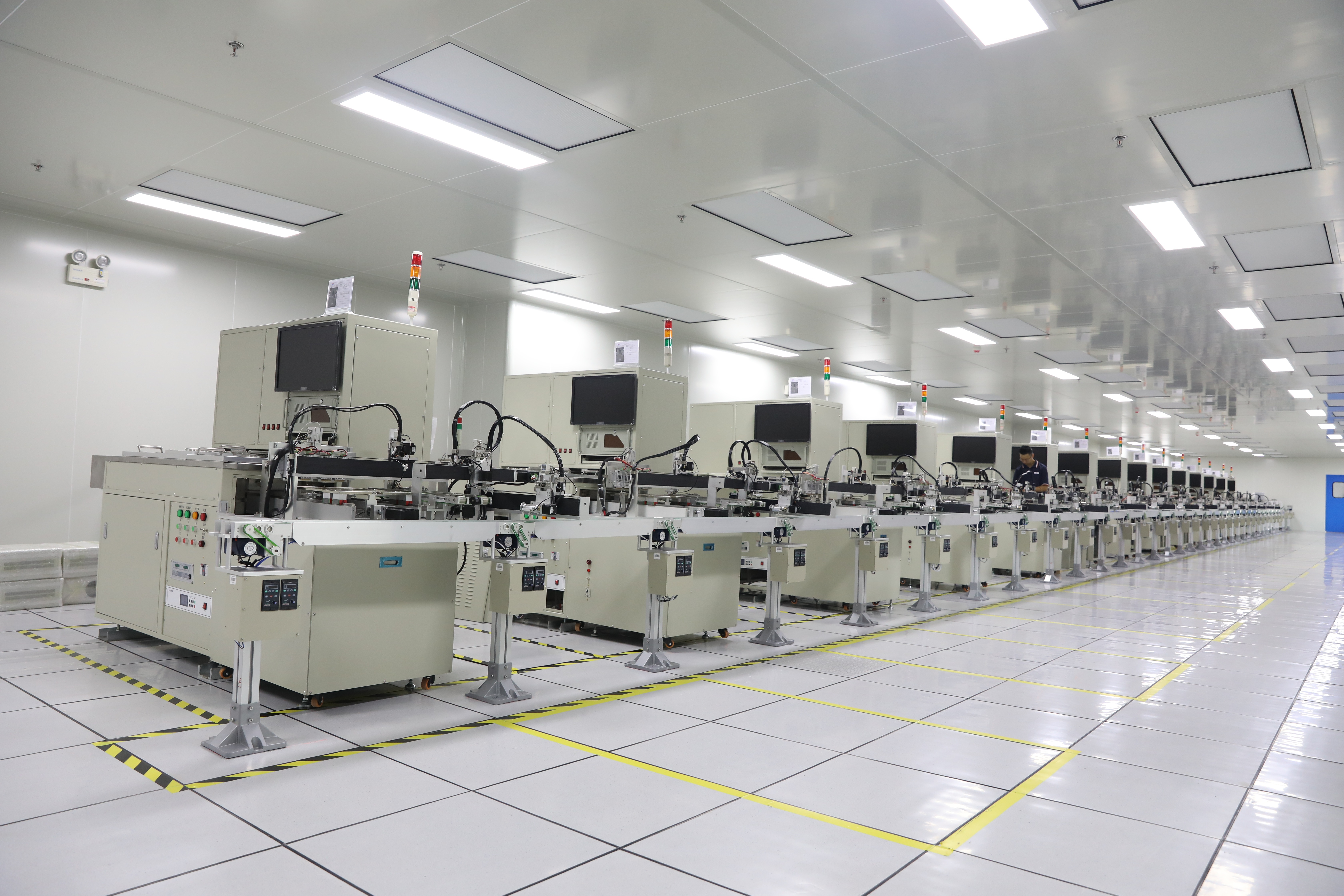
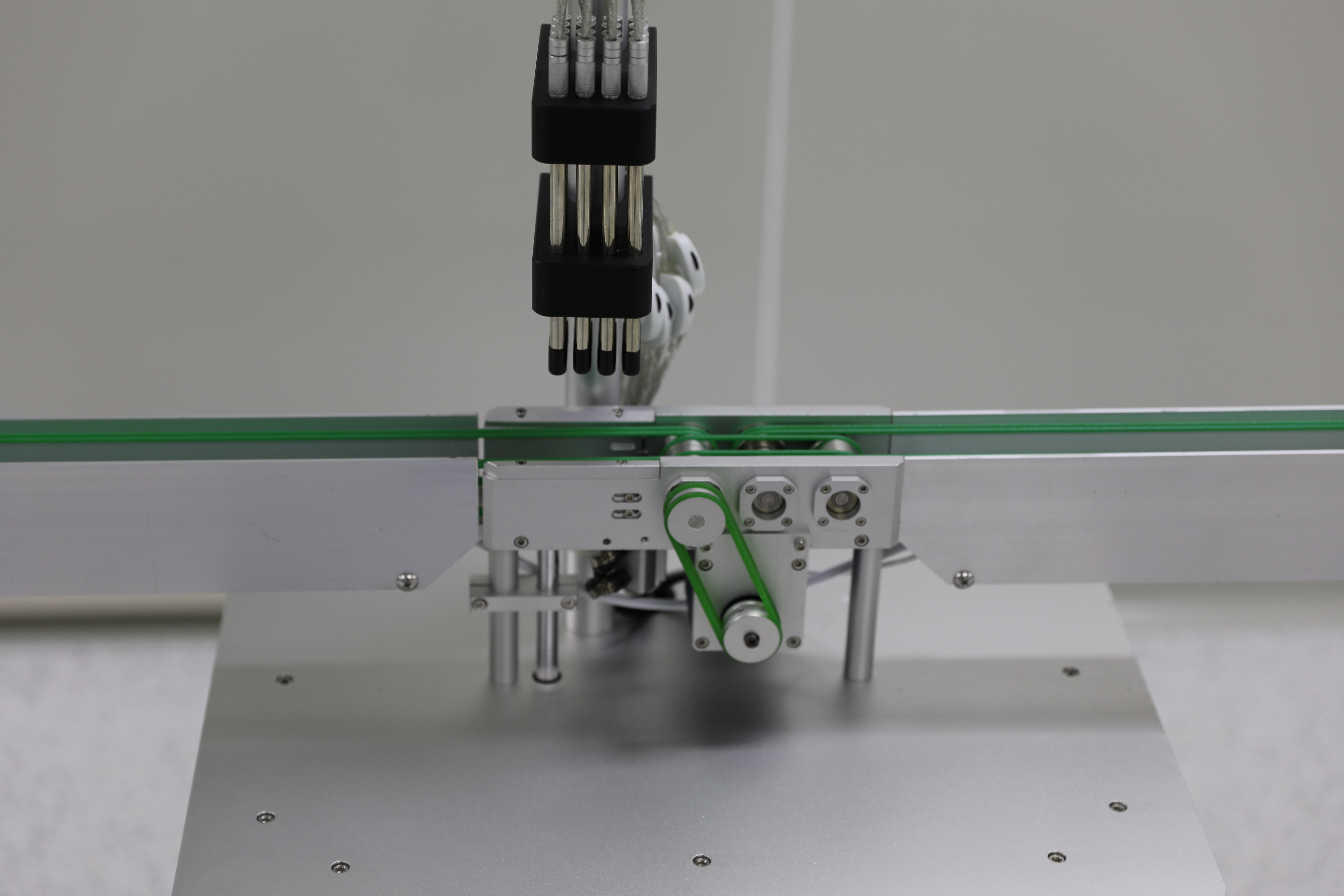
Visit or audit the supplier's production facilities. Automation and testing equipment directly impact consistency. Fronter owns two automated production facilities equipped with the world's most advanced manufacturing and testing machines. They employ professional engineers and a technical team that forms a strong technical force. The below images show their production line and commissioning processes.
3.5 Step 5: Evaluate Value-Added Services and Supply Chain Flexibility
Modern buyers need more than just components. Look for suppliers that offer R&D solutions, turnkey solutions, e-commerce, and other value-added services to support OEMs, ODMs, and EMS providers. Fronter's offerings in this regard enable customers to reduce time-to-market and manage inventory more efficiently.
4. Use Cases: Matching Special Oscillator Types to Industry Needs
| Industry | Special Requirement | Recommended Oscillator Type |
|---|---|---|
| Automotive (ADAS, V2X) | AEC-Q200 qualification, wide temp range, high shock resistance | Automotive crystal oscillator (TCXO or XO with extended temp) |
| Telecom / 5G Base Stations | Ultra-low phase noise, < ±0.1 ppm stability over temperature | OCXO or high-performance TCXO |
| IoT / Smart Home | Low power consumption (< 2 mA), small footprint (2016/2520) | Low power SMD oscillator or TCXO |
| Precision Instrumentation | < ±10 ppb stability, low aging | OCXO (oven controlled) |
| Radar / Microwave Communications | High frequency output (> 1 GHz), low jitter | Differential oscillator (LVPECL / LVDS) |
5. Frequently Asked Questions (FAQ)
Q1. What is the difference between an XO and a TCXO?
A Crystal Oscillator (XO) uses a quartz crystal and a simple oscillator circuit, with stability typically ±25 to ±100 ppm. A TCXO incorporates a temperature compensation network that reduces frequency drift to ±0.5 to ±2.5 ppm over temperature. Choose TCXO when environmental temperature varies widely.
Q2. How do I verify if a supplier's TCXO meets my requirements?
Request detailed datasheets showing frequency stability over the full temperature range, supply current, start-up time, and aging specs. Ask for measured phase noise plots if low-noise is critical. Also check that the supplier's test reports (e.g., RoHS) are up to date.
Q3. Can a single supplier provide both standard and custom oscillators?
Yes, manufacturers like Fronter Electronics specialize in providing the full range from DIP and SMD quartz crystal resonators to custom-engineered TCXO, VCTCXO, and OCXO solutions. They can develop products according to your specific electrical and mechanical specifications.
Q4. What certifications are mandatory for automotive crystal oscillators?
Beyond RoHS and REACH, automotive applications typically require AEC-Q200 qualification. Some suppliers may also offer IATF 16949 certification. Always confirm with the supplier which standards their automotive oscillators comply with.
Q5. How can I reduce the lead time for custom crystal oscillators?
Consider programmable oscillators that can be configured in days rather than weeks. Alternatively, work with a supplier that offers turnkey solutions and maintains buffer inventory of common packages and crystals.
6. How to Choose the Right Solution: Decision Checklist
- ✅ Define critical parameters – stability, temp range, power, size, output type.
- ✅ Compile a shortlist of suppliers that cover the required oscillator families (TCXO, OCXO, VCXO, etc.).
- ✅ Request compliance documentation – RoHS, REACH, AEC-Q200 (if applicable).
- ✅ Audit manufacturing capability – automated lines, test equipment, engineering resources.
- ✅ Evaluate value-added services – R&D support, e-commerce ordering, logistics, after-sales.
- ✅ Request samples and test in your actual circuit environment.
- ✅ Check long-term supply stability – supplier financial health, raw material sourcing, capacity.
7. Conclusion
Sourcing specialized crystal oscillators demands a structured approach that aligns your application's unique technical needs with the capabilities of a qualified manufacturer. By following the steps outlined in this guide—defining parameters, evaluating portfolios, verifying certifications, and assessing production infrastructure—you can confidently select a partner that delivers reliable, compliant, and high-performance timing solutions.
For buyers seeking a proven partner, Fronter Electronics Co., Ltd. (www.chinafronter.com) offers over three decades of experience in frequency components. With their own brand FT, two automated facilities, RoHS/REACH-compliant products, and a full range from crystal oscillators to filters, they are well positioned to support OEM/ODM/EMS projects across automotive, telecom, IoT, and industrial segments.
Contact them at: Tel: 86-755 8345 8798 | Email: sales@chinafronter.com | WhatsApp: +86 18903022818
Address: Rm. 2213-2216, Block C, RongchuangZhihui Building, Shangfen Community, Minzhi Street, Longhua District, Shenzhen, China
Have Questions or Need More Details?
Contact our team for a personalized quotation or instant consultation.
Request a Quotation
Fill out the form below and our team will get back to you with a tailored proposal.
WhatsApp Direct Chat
Prefer to chat in real-time? Message us on WhatsApp for instant assistance & quick answers.
- Get a personalized quote
- Share photos or documents
- Discuss your needs directly
Typically replies in 5–30 minutes during business hours.