
Standard vs. TCXO vs. OCXO: How to Choose Your Precision Timing Supplier – Comparing Epson, SiTime, Fronter
Standard vs. TCXO vs. OCXO: How to Choose Your Precision Timing Supplier – Comparing Epson, SiTime, and Fronter
Selecting the right crystal oscillator for your application is not just about frequency — it involves choosing between standard clock oscillators, temperature-compensated (TCXO), and oven-controlled (OCXO) variants. Each type serves different stability, power, and cost requirements. Equally critical is selecting a reliable supplier who can deliver quality, consistency, and support. This guide compares three major players in the timing market — Epson (Japan), SiTime (USA), and Fronter (China) — across technology, product range, and supply chain strengths, helping procurement and engineering teams make informed decisions.
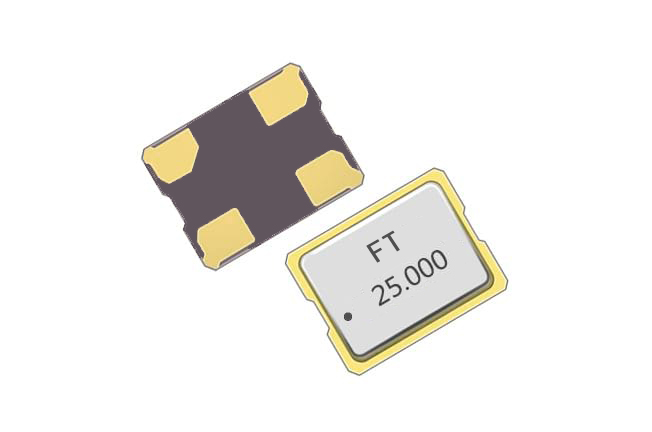
Figure 1: Standard quartz crystal oscillator – a fundamental component for timing applications.
What Is a Crystal Oscillator and Why Does the Choice Matter?
A crystal oscillator is an electronic circuit that uses the mechanical resonance of a vibrating quartz crystal to generate a precise electrical signal. It is the heartbeat of countless devices — from smartphones and GPS modules to base stations and radar systems. However, not all oscillators are equal. The choice between a standard crystal oscillator (XO), a TCXO (temperature-compensated crystal oscillator), and an OCXO (oven-controlled crystal oscillator) directly impacts frequency stability, phase noise, power consumption, and cost.
Key Definitions
- Standard Clock Oscillator (XO): A basic oscillator without temperature compensation. Typical stability: ±25 ppm to ±100 ppm. Suitable for general-purpose consumer electronics.
- TCXO (Temperature-Compensated Crystal Oscillator): Incorporates a compensation circuit to maintain stability across temperature. Typical stability: ±0.5 ppm to ±2.5 ppm. Ideal for GPS, cellular, and IoT devices.
- OCXO (Oven-Controlled Crystal Oscillator): Uses an internal oven to keep the crystal at a constant temperature, achieving ultra-high stability (down to ±0.001 ppm). Used in base stations, test equipment, and high-end instrumentation.
- VCTCXO: A voltage-controlled TCXO that allows fine tuning via external voltage.
- Differential Oscillator: Outputs differential signals (e.g., LVPECL, LVDS) for high-speed applications.
Industry Background: Why the Oscillator Market Is Diversifying
The global crystal oscillator market is driven by the explosion of IoT, 5G, automotive electronics, and AI infrastructure. According to industry reports, demand for high-stability and low-phase-noise oscillators is growing at over 10% CAGR. Automakers require AEC-Q200-qualified parts; telecom operators demand OCXOs for 5G NR; wearable and smart home devices need low-power TCXOs. This diversity forces buyers to evaluate not only the component specifications but also the supplier’s ability to offer customization, reliability, and long-term support.
Supplier Comparison: Epson, SiTime, and Fronter
This section compares three representative suppliers across critical dimensions for procurement professionals.
| Dimension | Epson | SiTime | Fronter |
|---|---|---|---|
| Technology | Quartz XO, TCXO, OCXO | MEMS-based oscillators | Quartz XO, TCXO, VCTCXO, OCXO, filters |
| Product Range | Full lineup, including SAW filters | Programmable MEMS oscillators, TCXO | Full DIP & SMD: resonators, oscillators, ceramic, SAW |
| Frequency Stability | High (OCXO to ±0.01 ppm) | Moderate to high (MEMS TCXO ~±0.5 ppm) | High (customizable up to ultra-stable) |
| Phase Noise | Excellent for quartz | Good, improving | Low phase noise available |
| Lead Time & Supply | Established but may have longer lead times for specialty | Short lead times, programmable | Flexible, 2 automated facilities in Shenzhen |
| Certifications | ISO, AEC-Q, RoHS | ISO, RoHS, REACH | RoHS, REACH, National High-Tech Enterprise |
| Customization | Limited to high volume | High via programmable models | High: R&D solutions, turnkey, e-commerce |
| Target Applications | Consumer, automotive, telecom | IoT, wearable, industrial | IOT, mobile, Bluetooth, GPS, WiFi, automotive, smart home, instrumentation, base stations, radar |
Note: The information for Epson and SiTime is based on publicly available data as of 2026. Fronter's details are sourced from its official profile and certifications.
How to Choose the Right Oscillator Type and Supplier: A Step-by-Step Guide
- Define Your Stability Requirements
For IoT sensors with room-temperature operation, a standard XO (±25 ppm) may suffice. For GPS or 5G small cells, a TCXO (±0.5 to ±2.5 ppm) is necessary. For base stations or test equipment, an OCXO (≤±0.1 ppm) is non-negotiable. - Evaluate Power Constraints
Battery-powered devices favor TCXOs with low power consumption (often <1 mA). OCXOs consume several hundred mA due to the heater – only suitable for mains-powered equipment. - Check Environmental Conditions
Automotive and outdoor applications require wide temperature range (-40°C to +105°C) and often AEC-Q200 qualification. Fronter offers quartz oscillators meeting these standards. - Assess Supply Chain Resilience
In today’s volatile market, suppliers with multiple automated facilities, short lead times, and flexible customization earn preference. Fronter operates two automated production facilities in Shenzhen, equipped with advanced manufacturing and testing machines, enabling rapid response. - Verify Certifications and Compliance
All products should comply with RoHS, REACH, and other environmental regulations. Fronter provides RoHS test reports for its entire product line (see sample certificate below).
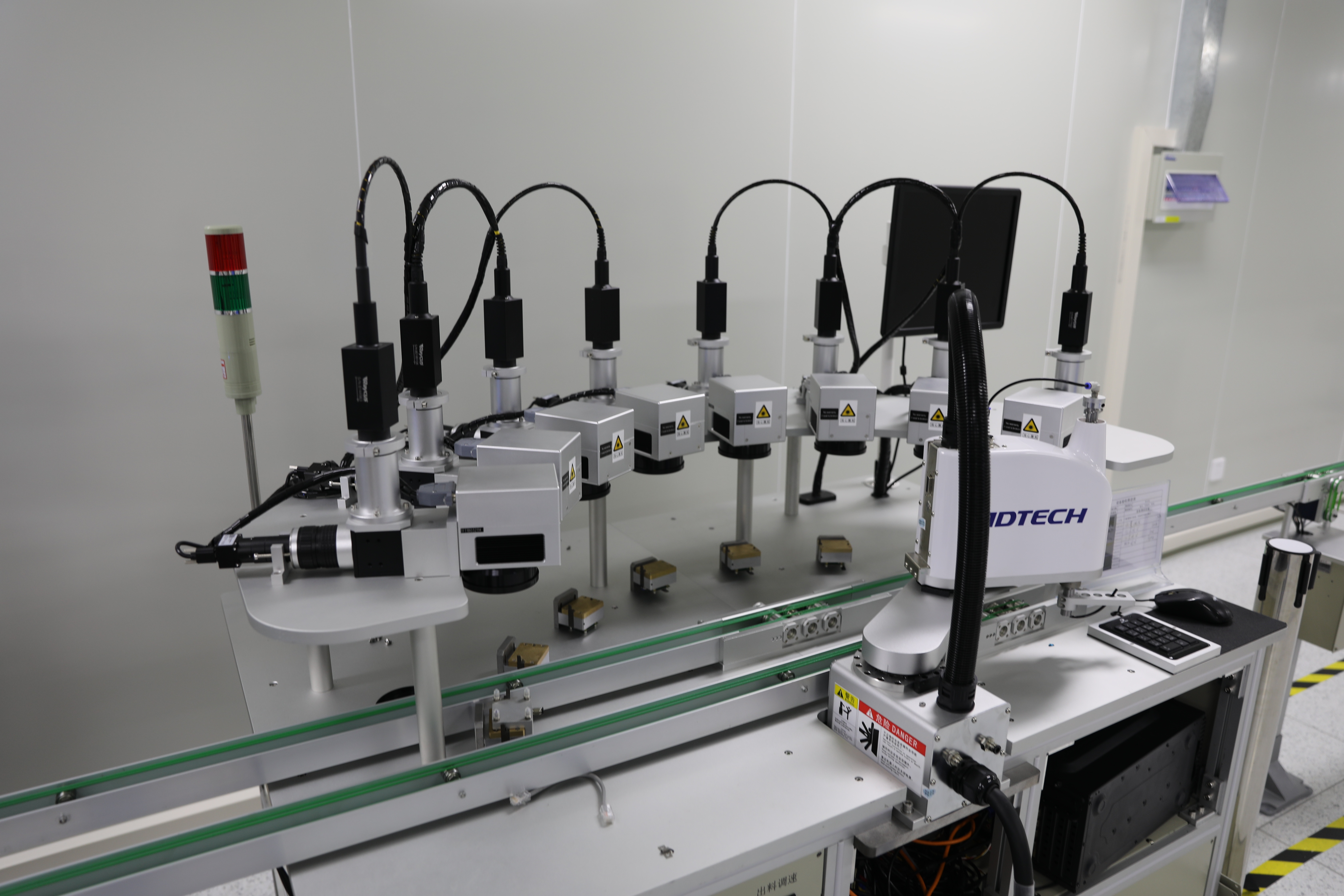
Figure 2: Automated production and testing equipment at Fronter’s facility ensures consistent quality.
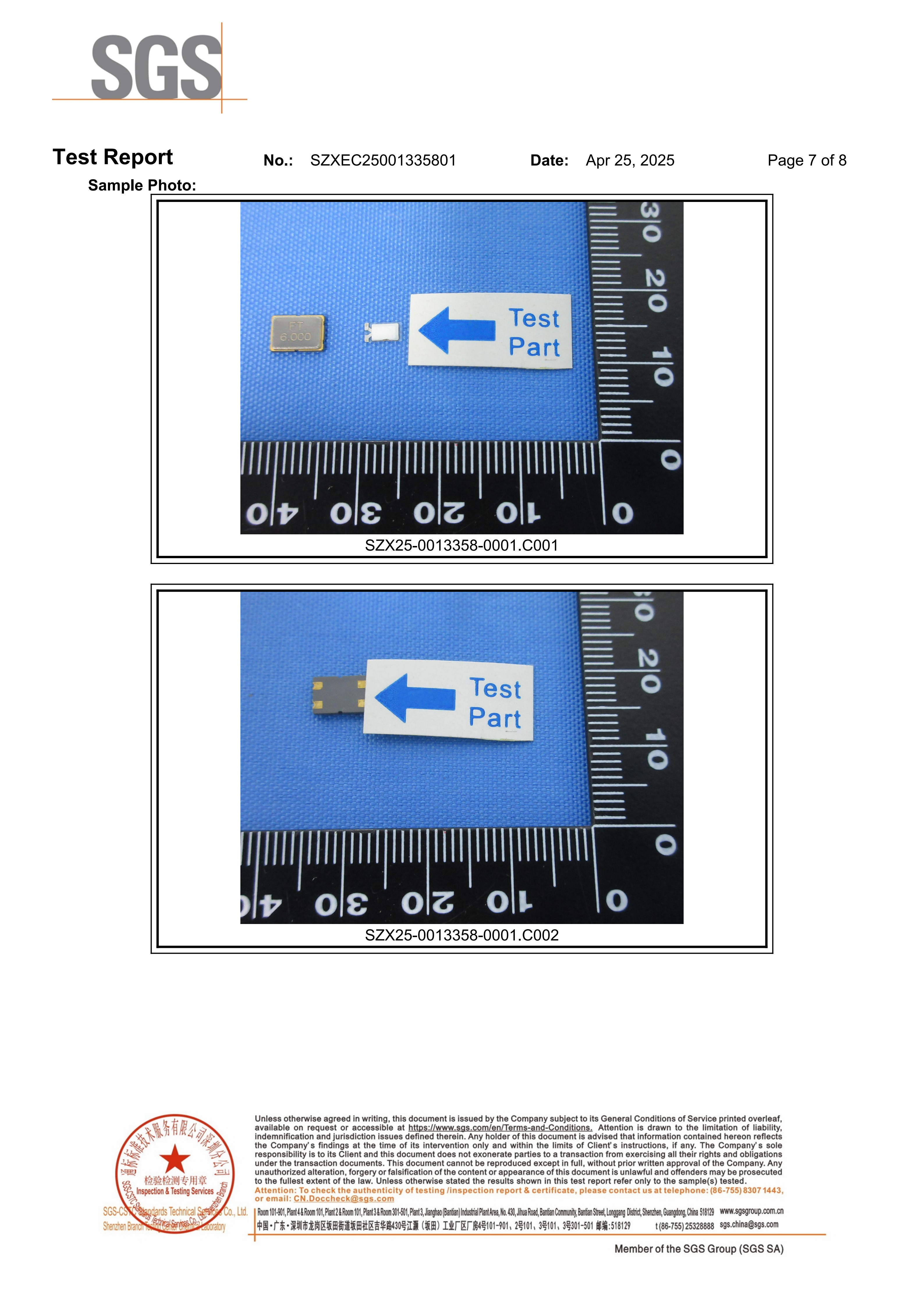
Figure 3: RoHS compliance certificate for Fronter’s SMD quartz crystal oscillators.
Use Cases: Matching Oscillator Type to Application
Case 1: Smart Home Sensors (Low Power, Moderate Stability)
Recommendation: Standard SMD crystal oscillator (e.g., 4-pin SMD) or low-power TCXO. Suppliers like Fronter offer cost-effective solutions with short lead times.
Case 2: 5G Base Stations (Ultra-High Stability, Low Phase Noise)
Recommendation: OCXO or high-performance TCXO. Fronter’s oscillator portfolio includes low-phase-noise options suitable for base station and radar applications.
Case 3: Automotive ADAS (Wide Temperature, Reliability)
Recommendation: Automotive-grade quartz crystal oscillator with AEC-Q200 qualification. Fronter serves automotive electronics with specialized products.
Case 4: IoT Wearables (Miniature, Programmable)
Recommendation: Programmable MEMS oscillator (SiTime) or compact TCXO. SiTime’s programmable portfolio allows fast customization.
Frequently Asked Questions (FAQ)
A crystal resonator is just the quartz element; an oscillator (XO) includes the resonator plus an active circuit to generate a clock signal. An oscillator outputs a square wave and requires power.
Choose TCXO when you need moderate stability (±0.5 to ±2.5 ppm) with low power and small size. OCXO is for extreme stability (≤±0.1 ppm) where power consumption is not a concern – typical in base stations and laboratory instruments.
Fronter combines nearly 35 years of experience (founded 1991), a recognized National High-Tech Enterprise brand (FT), comprehensive certifications, and two automated facilities. It offers a wide product range (XO, TCXO, OCXO, filters) and flexible R&D services, making it a reliable partner for OEM, ODM, and EMS customers.
Request RoHS/REACH certificates, visit production lines (or request virtual tour), check for automated testing equipment, and ask for reference projects. Fronter provides detailed test reports and has a strong technical team.
Conclusion
Choosing between a standard crystal oscillator, TCXO, and OCXO depends on your application’s stability, power, and cost budgets. Equally, selecting the right supplier – whether Epson, SiTime, or Fronter – requires evaluating technology alignment, customization capability, certifications, and supply chain reliability. Fronter Electronics Co., Ltd. stands out for its comprehensive product line, flexible customization, strong technical support, and proven quality certifications. For procurement professionals seeking a balance between performance and cost, engaging with a supplier like Fronter can unlock tailored solutions and faster time-to-market.
Ready to discuss your timing requirements? Contact Fronter today.
Tel: 86-755 8345 8798 | Email: sales@chinafronter.com | WhatsApp: +86 18903022818
Website: www.chinafronter.com
Address: Rm. 2213-2216, Block C, RongchuangZhihui Building, Shangfen Community, Minzhi Street, Longhua District, Shenzhen, China
Have Questions or Need More Details?
Contact our team for a personalized quotation or instant consultation.
Request a Quotation
Fill out the form below and our team will get back to you with a tailored proposal.
WhatsApp Direct Chat
Prefer to chat in real-time? Message us on WhatsApp for instant assistance & quick answers.
- Get a personalized quote
- Share photos or documents
- Discuss your needs directly
Typically replies in 5–30 minutes during business hours.