
Crystal Resonator Procurement: How to Minimize Supply Chain Risk and Secure Quality
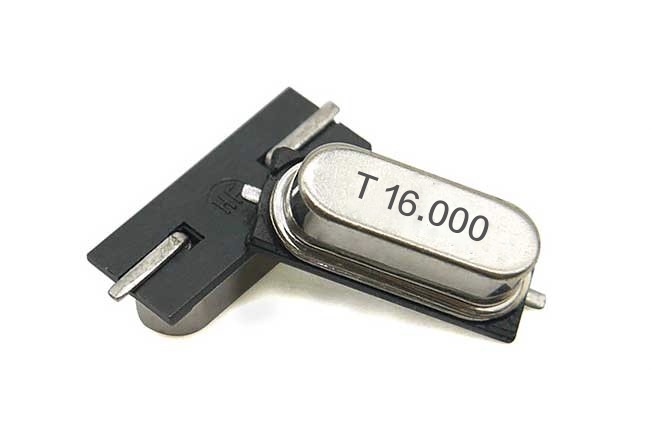
Proper supplier qualification and quality documentation are essential to avoid procurement risks in crystal resonator sourcing.
In the world of electronic manufacturing, a single faulty quartz crystal resonator can halt production lines, trigger costly rework, or even compromise the reliability of mission-critical devices such as automotive ECUs, IoT gateways, and medical instruments. For procurement professionals, sourcing crystal resonators—whether 32.768 kHz tuning fork crystals, MHz SMD crystal resonators, or through-hole HC-49S models—is not just about finding the lowest price; it is about ensuring consistent quality, stable delivery, and long-term partnership. This guide outlines a systematic approach to crystal resonator sourcing that minimizes supply chain risk while securing high-performance frequency control devices.
The Core Procurement Risk in Crystal Resonators
Unlike passive components such as resistors or capacitors, a quartz crystal resonator is an electromechanical device that must maintain precise frequency stability over temperature, aging, and mechanical stress. Common risks include:
- Frequency drift outside specified tolerance (e.g., ±10 ppm vs ±50 ppm)
- Poor solderability leading to open circuits or intermittent failures in SMD assemblies
- Non-compliance with environmental regulations (RoHS, REACH) causing legal exposure
- Inconsistent lead time due to raw quartz supply fluctuations or capacity constraints
- Counterfeit or relabeled products from unauthorized distributors
Understanding these risks is the first step toward building a resilient crystal resonator supply chain.
Industry Background: A Fragmented Global Supply Base
The global crystal resonator market is characterized by a mix of tier-1 Japanese players (e.g., Epson Toyocom, TXC Corporation), established Chinese manufacturers (e.g., Fronter Electronics), and emerging regional suppliers. While branded suppliers offer rigorous quality assurance, many industrial buyers now turn to reliable Chinese sources for cost-competitive surface mount crystal resonators and cylindrical crystal resonators. However, the lack of standardized quality benchmarks across suppliers makes due diligence critical. According to industry reports, counterfeit or substandard frequency components account for up to 5% of field failures in consumer electronics. Hence, a structured supplier qualification process becomes a competitive advantage.
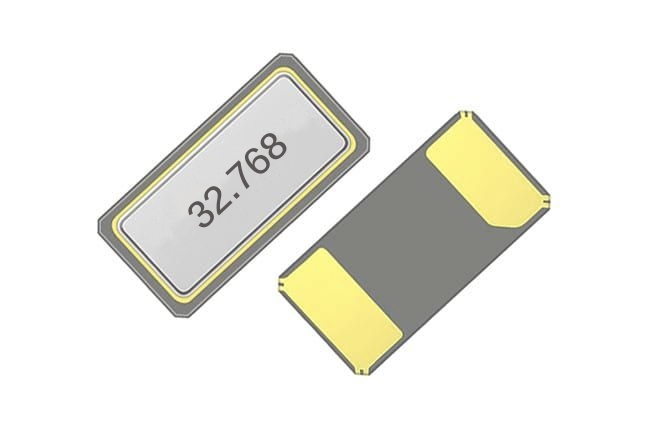
Small-footprint SMD crystals like the 3215 package require careful process control during assembly.
How to Minimize Procurement Risk: A Five-Step Framework
Step 1: Define Technical Specifications Clearly
Before approaching any supplier, you must document the exact quartz crystal model number, frequency accuracy, load capacitance (CL), ESR, temperature range, and package type (e.g., SMD crystal 5032, HC-49S, or DT38 cylindrical). Use a standardized datasheet template that includes:
- Nominal frequency (e.g., 32.768 kHz or 16 MHz)
- Frequency tolerance at 25°C (e.g., ±10 ppm)
- Temperature stability (e.g., ±20 ppm over -40°C to +85°C)
- Operating temperature range (extended for automotive: -40°C to +125°C)
- ESR maximum (e.g., 50 kΩ for tuning fork; 40 Ω for MHz)
- Shunt capacitance (C0) and load capacitance (CL)
Ambiguous specs are the #1 cause of mismatched product deliveries. For example, a 32.768 kHz watch crystal with 12.5 pF load capacitance will not oscillate correctly in a circuit designed for 6 pF.
Step 2: Verify Supplier Credentials and Compliance
Request copies of RoHS test reports and REACH declarations. For instance, Fronter Electronics provides comprehensive RoHS compliance documentation for all its product families: SMD quartz crystal resonators (report No. SZXEC25001335801), HC-49 series (SZXEC25001335802), column crystal resonators (SZXEC25001335803), and ceramic filters (SZXEC25001335805). Such documents prove that the materials used—quartz blanks, metal enclosures, conductive adhesives—are free from restricted substances. Also check for ISO 9001 certification and, for automotive applications, IATF 16949. A manufacturer with in-house automated production facilities and world-class testing machines (like Fronter, which operates two such facilities) can offer better traceability and batch consistency than a pure trading house.
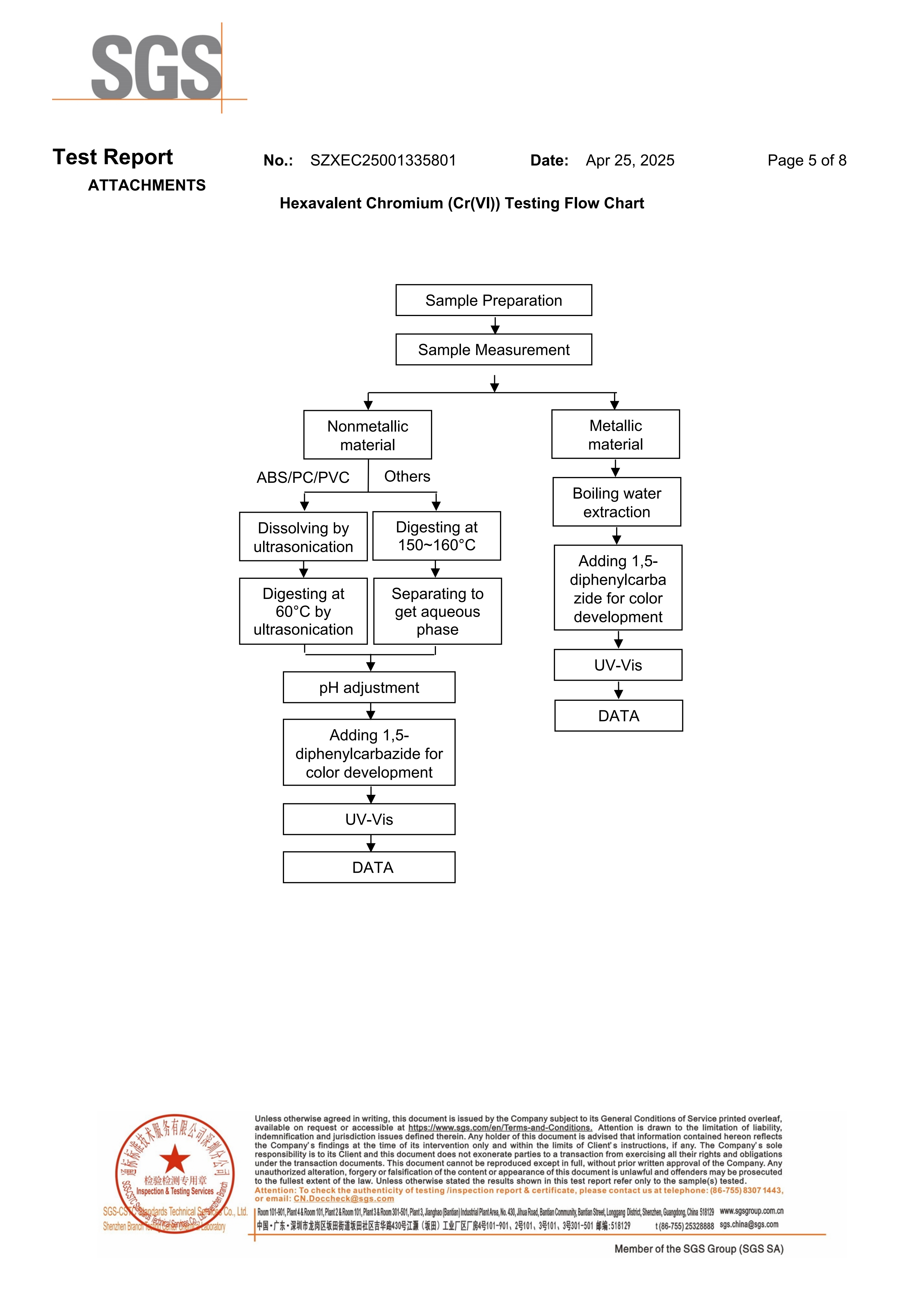
Fronter's RoHS test report (SZXEC25001335801) verifies compliance for SMD crystal resonators.
Step 3: Conduct Factory Audits (Virtual or On-Site)
Evaluate the supplier’s manufacturing capability: Do they own the crystal blank processing line or outsource it? A vertically integrated supplier like Fronter (founded in 1991, FT brand, recognized as National High-Tech Enterprise in 2017) typically controls key processes—vacuum sealing, frequency trimming, final test—ensuring tighter quality. Important questions to ask:
- What is the monthly output capacity (in millions of pieces)?
- What aging test equipment is used (e.g., 1,000-hour burn-in ovens)?
- How are frequency stability and ESR measured? (Agilent/Micrometrics network analyzers are a good sign)
- What is the outgoing lot acceptance criteria (AQL level)?
Many Chinese manufacturers, including Fronter, offer virtual factory tours via video calls, which can be a practical first step before committing to a large order.
Step 4: Request Pre-Production Samples and Run Qualification Tests
Never skip sample validation. Order 50–100 pieces of the target part number (e.g., HC-49SMD or SMD5032) and perform the following tests in your own lab or a third-party facility:
- Frequency vs. temperature characterization over the specified range
- Solderability test (lead-free reflow profile per J-STD-003)
- Shear test for SMD pads to verify mounting strength
- ESR measurement at resonance
- RoHS/XRF screening for lead, cadmium, and mercury
Only after passing all criteria should you proceed with volume production. Many failures in the field trace back to skipped qualification steps.
Step 5: Establish Quality Agreements and Contingency Plans
Formalize a Quality Agreement that specifies:
- Acceptable quality level (AQL 0.65 for critical parameters)
- Change notification policy (PCN) — any material or process change must be communicated 90 days in advance
- Traceability requirements (each reel/lot should have a unique date code)
- Non-conformance handling procedure (RMA, credit, or replacement)
- Capacity buffer (e.g., 20% extra capacity reserved for emergency orders)
Also identify at least one qualified backup supplier for each critical part number. Diversification is the strongest hedge against supply disruptions from geopolitical events or natural disasters.
Use Case: Sourcing High-Reliability Crystal Resonators for IoT Gateways
A European IoT gateway manufacturer needed a reliable source of 32.768 kHz crystal resonators and 26 MHz SMD crystal for their cellular/NB-IoT modules. Initial samples from an uncertified distributor showed 5% frequency deviation beyond ±25 ppm at 85°C. After adopting the five-step framework, they switched to Fronter Electronics. Pre-production samples passed all tests, and the supplier provided full RoHS test reports (SZXEC25001335801 for SMD, SZXEC25001335802 for HC-49 series). The manufacturer now receives consistent quality with ±10 ppm stability across −40°C to +85°C, and the supply agreement includes a 10% capacity buffer. Production yield improved by 3% due to reduced rework from crystal failures.
Frequently Asked Questions (FAQ)
What is the difference between a crystal resonator and a crystal oscillator?
A quartz crystal resonator is a passive component that requires an external oscillating circuit to generate a clock signal. A crystal oscillator (XO) integrates the resonator and the oscillation circuit within one package, outputting a stable square wave. For most digital ICs, a resonator plus two load capacitors is sufficient; for space-constrained designs, an oscillator is easier to use.
How do I choose between SMD and through-hole crystal resonators?
Surface mount crystal resonators (e.g., SMD5032, SMD3215) are preferred for automated pick-and-place assembly, high-density PCBs, and high-volume production. Through-hole crystal resonators (e.g., HC-49S, DT38) are easier to prototype and offer better stability for high-vibration environments. The decision depends on your PCB design, assembly process, and reliability requirements.
What certifications should I look for in a crystal resonator supplier?
At a minimum, the supplier should provide RoHS and REACH compliance declarations and preferably ISO 9001. For automotive applications, IATF 16949 is essential. Some manufacturers also hold UL or VDE certifications. Always request the actual test reports—not just a statement—to verify compliance.
Why do crystal resonator prices vary so much among suppliers?
Price differences reflect variations in raw quartz quality, manufacturing precision (e.g., photolithography vs. mechanical processing for frequency tuning), test coverage (100% frequency/ESR test vs. sample-based), and overhead for compliance and traceability. A very low price often indicates compromises in these areas.
Conclusion: Build a Risk-Resilient Sourcing Strategy
Efficient crystal resonator procurement goes beyond comparing price lists. It requires a deliberate process of specification clarity, supplier due diligence, sample validation, and contractual safeguards. By following the five-step framework outlined here—and partnering with established manufacturers like Fronter Electronics Co., Ltd., which has over three decades of experience, two automated factories, and full RoHS/REACH compliance—you can mitigate supply chain risks and secure the high-accuracy frequency control devices your products demand. For a detailed qualification package or to discuss your specific sourcing needs, contact the Fronter team at sales@chinafronter.com or via WhatsApp +86 18903022818.
Have Questions or Need More Details?
Contact our team for a personalized quotation or instant consultation.
Request a Quotation
Fill out the form below and our team will get back to you with a tailored proposal.
WhatsApp Direct Chat
Prefer to chat in real-time? Message us on WhatsApp for instant assistance & quick answers.
- Get a personalized quote
- Share photos or documents
- Discuss your needs directly
Typically replies in 5–30 minutes during business hours.