
What Is a Crystal Resonator? A Complete Guide for Engineers and Procurement Professionals
Introduction: The Heartbeat of Electronic Timing
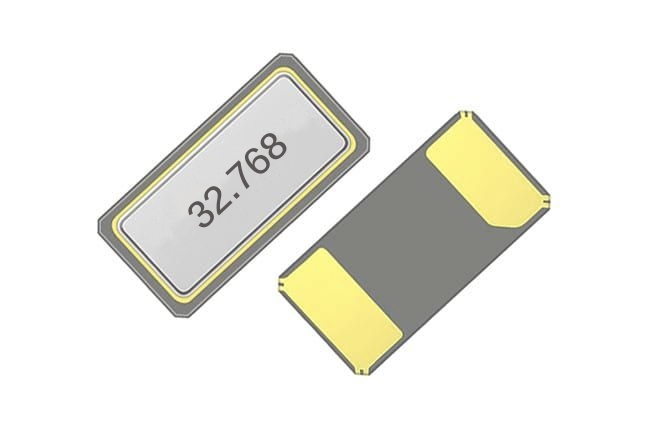
A crystal resonator is a piezoelectric device that uses the mechanical resonance of a vibrating quartz crystal to generate a precise electrical signal with a stable frequency. Often referred to as a quartz crystal resonator or simply crystal, it is the fundamental building block for timing and frequency control in nearly all modern electronics—from wristwatches and smartphones to automotive control units and industrial IoT sensors.
The Problem: Why Frequency Accuracy Matters
Every digital circuit requires a stable clock signal to synchronize operations. When the frequency drifts due to temperature, aging, or manufacturing tolerances, systems can experience data corruption, communication failures, or reduced energy efficiency. Selecting the right crystal resonator is therefore a critical engineering and procurement decision that directly impacts product reliability and performance.
Industry Background: A Mature but Evolving Technology
Quartz crystal resonators have been used for decades, but the industry continues to innovate with smaller packages, wider temperature ranges, and higher precision. Key market segments include consumer electronics (smartphones, wearables), communication infrastructure, automotive electronics, industrial control, and medical devices. As devices shrink and demands for low power increase, the choice between 32.768 kHz crystal resonator (for real-time clocks) and MHz crystal resonator (for main processors) becomes paramount.
Detailed Solution: Fronter’s Crystal Resonator Portfolio
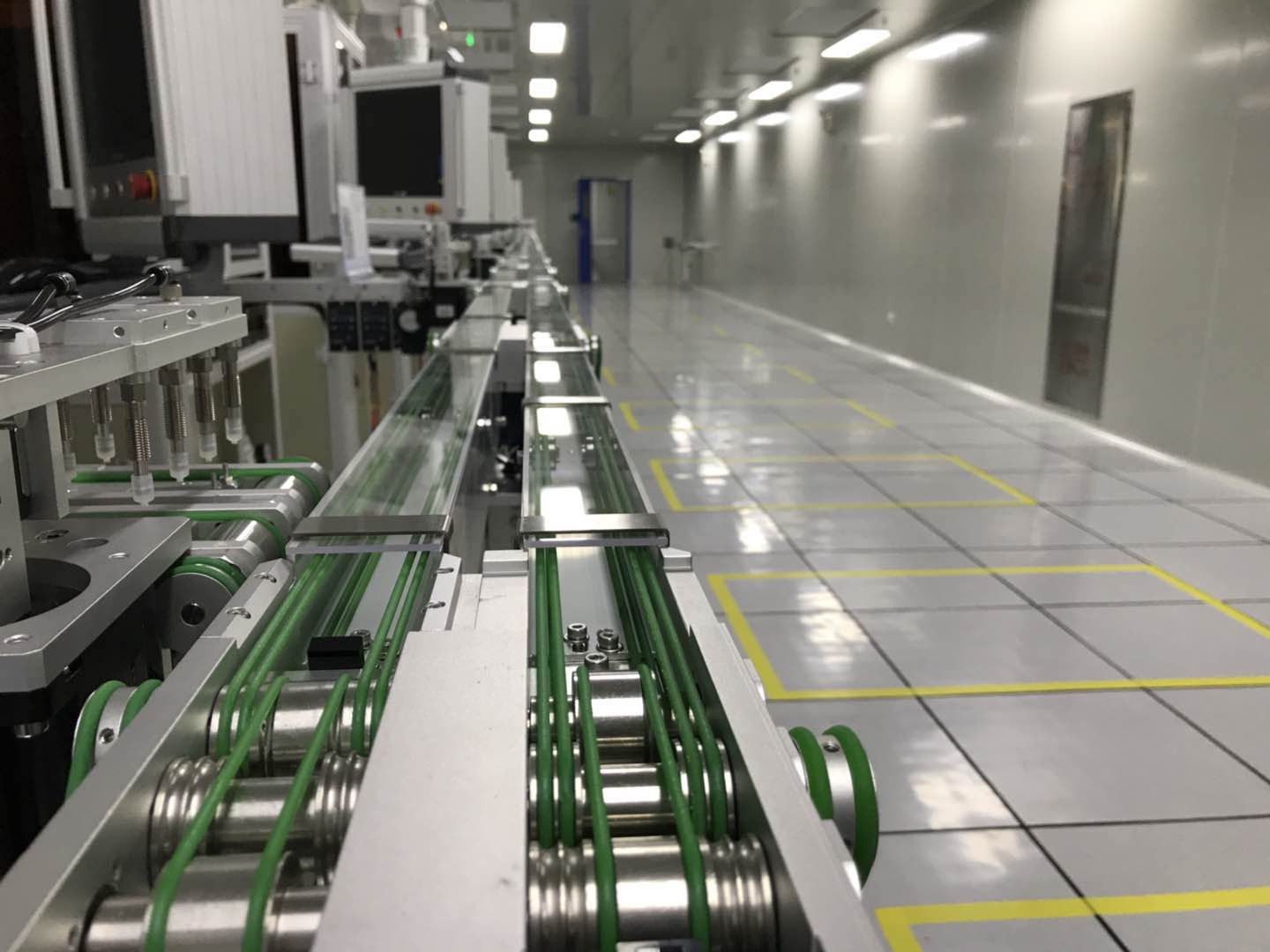
Fronter Electronics Co., Ltd, founded in 1991, is a recognized high‑tech enterprise (brand “FT”) specializing in frequency control devices including crystal resonators and oscillators. With a factory area of 21,000 m², 286 employees, and an annual output of 300 million units, Fronter supplies both tuning fork crystal resonators (for 32.768 kHz) and AT‑cut crystal resonators (for MHz frequencies) in a wide variety of surface‑mount (SMD) and through‑hole packages.
Turning Fork Crystal Resonators (32.768 kHz)
Fronter’s tuning fork resonators are available in ultra‑compact packages including SMD1610 (1.6 × 1.0 mm), SMD2012 (2.0 × 1.2 mm), and SMD3215 (3.2 × 1.5 mm). These are typically used for real‑time clock (RTC) applications in consumer electronics, IoT, smart energy meters, and automotive modules. Key parameters include:
- Frequency: 32.768 kHz
- Load capacitance options: 12.5 pF, 7 pF, 9 pF
- Frequency tolerance: ±20 ppm
- Operating temperature: –40 °C to +85 °C
- Materials: gold, SiO₂, silver
MHz Crystal Resonators (1 MHz – 96 MHz)
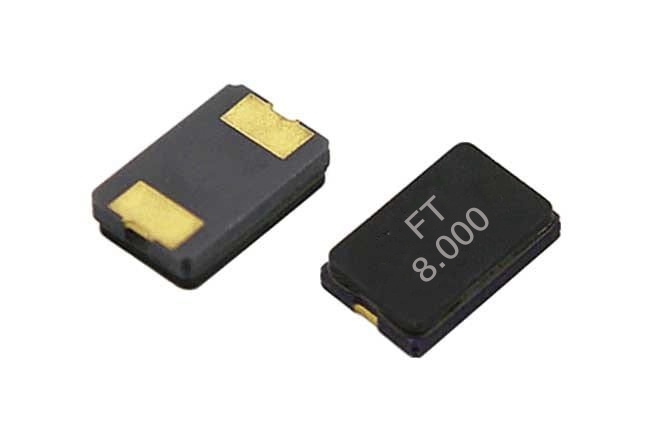
For higher frequency requirements, Fronter offers a wide range of surface mount crystal resonators in packages such as SMD7050, SMD6035, SMD5032, SMD3225, SMD2520, SMD2016, and SMD1612. These are suited for smart home appliances, communication electronics, Bluetooth devices, and more. Typical specifications include:
- Nominal frequency: 1 MHz to 96 MHz
- Load capacitance: 4 pF to 33 pF
- Frequency tolerance: ±5 ppm to ±100 ppm
- Frequency stability: ±10 ppm to ±100 ppm
- Operating temperature: –55 °C to +125 °C
- Construction: metal cover, ceramic base, quartz wafer
Step‑by‑Step Selection Guide
- Determine the frequency type – Real‑time clocks typically need 32.768 kHz (tuning fork); main processors need MHz crystals.
- Choose the package – SMD packages save board space and are suitable for automated assembly. Through‑hole (cylindrical or HC‑49) may be used for legacy designs or high‑power applications.
- Specify load capacitance (CL) – Match the crystal’s CL to the oscillator circuit design. Common values are 12.5 pF for 32.768 kHz and 8 pF–20 pF for MHz crystals.
- Check temperature range and stability – For automotive or outdoor applications, ensure the product supports –40 °C to +125 °C and has tight frequency stability (±10 ppm).
- Evaluate supplier reliability – Look for certifications (RoHS, REACH), production scale, and quality management. Fronter’s factory operates ISO‑compliant processes and has an experienced R&D team of 19 engineers.
Use Cases Across Industries
Fronter’s crystal resonators are deployed in countless products. Representative applications include:
- Smart home appliances – air conditioners, security cameras, smart meters
- Communication electronics – mobile devices, Bluetooth headsets
- Automotive – infotainment, body electronics, engine control units
- Industrial control & instrumentation – temperature controllers, data loggers
Comparison Table: 32.768 kHz Tuning Fork vs. MHz AT‑Cut Crystals
| Parameter | Tuning Fork (32.768 kHz) | MHz AT‑Cut (1 MHz – 96 MHz) |
|---|---|---|
| Package examples | SMD1610, SMD2012, SMD3215 | SMD7050, SMD5032, SMD3225, SMD2520 |
| Frequency tolerance | ±20 ppm | ±5 ppm to ±100 ppm |
| Load capacitance | 7 pF – 12.5 pF | 4 pF – 33 pF |
| Operating temperature | –40 °C to +85 °C | –55 °C to +125 °C |
| Primary application | Real‑time clocks, timekeeping | Processor clocks, communication |
Frequently Asked Questions (FAQ)
Q1: What is a 32.768 kHz crystal resonator used for?
A 32.768 kHz tuning fork crystal resonator is the standard frequency for real‑time clock (RTC) circuits. Its low power consumption and high stability make it ideal for battery‑powered devices such as watches, smart meters, IoT sensors, and automotive RTC modules.
Q2: What is the difference between a crystal resonator and a crystal oscillator?
A crystal resonator (or quartz crystal) is a passive component that requires an external oscillator circuit to generate a clock signal. A crystal oscillator integrates the resonator with an amplifier circuit inside a single package, providing a complete timing solution. Fronter manufactures both types, including SMD oscillators (OSC‑SMD7050/5032/3225/2520/2016/1612).
Q3: How do I choose the correct load capacitance?
The load capacitance (CL) should match the value specified by the IC manufacturer and the board layout. Common values for 32.768 kHz crystals are 7 pF, 9 pF, or 12.5 pF. For MHz crystals, CL typically ranges from 4 pF to 33 pF. Using an incorrect CL can cause frequency pulling or startup issues.
Q4: Can these crystals be used in automotive applications?
Yes. Fronter’s MHz crystal resonators are rated for operating temperatures from –55 °C to +125 °C, making them suitable for under‑hood automotive electronics. The tuning fork series (32.768 kHz) covers –40 °C to +85 °C, which meets many interior automotive requirements.
Q5: How can I ensure quality when sourcing crystal resonators from a supplier?
Start by evaluating the supplier’s manufacturing capabilities: Fronter operates a 21,000 m² facility with 286 employees, advanced production lines, and a dedicated R&D team of 19 engineers. All products comply with RoHS and REACH regulations. Requesting samples and a company brochure is a good next step. For immediate assistance, contact Fronter directly to discuss your project requirements or request a sample.
Conclusion: Partner with a Trusted Crystal Resonator Manufacturer
Understanding the fundamentals of crystal resonators—frequency type, package, load capacitance, and temperature range—enables engineers and procurement professionals to make informed decisions. Fronter Electronics combines decades of experience with a comprehensive product portfolio and rigorous quality standards, making it a reliable partner for both standard and custom frequency control solutions. Download the Fronter brochure or email sales@chinafronter.com to begin your sourcing journey.
Have Questions or Need More Details?
Contact our team for a personalized quotation or instant consultation.
Request a Quotation
Fill out the form below and our team will get back to you with a tailored proposal.
WhatsApp Direct Chat
Prefer to chat in real-time? Message us on WhatsApp for instant assistance & quick answers.
- Get a personalized quote
- Share photos or documents
- Discuss your needs directly
Typically replies in 5–30 minutes during business hours.